
Last updated November 24, 2026
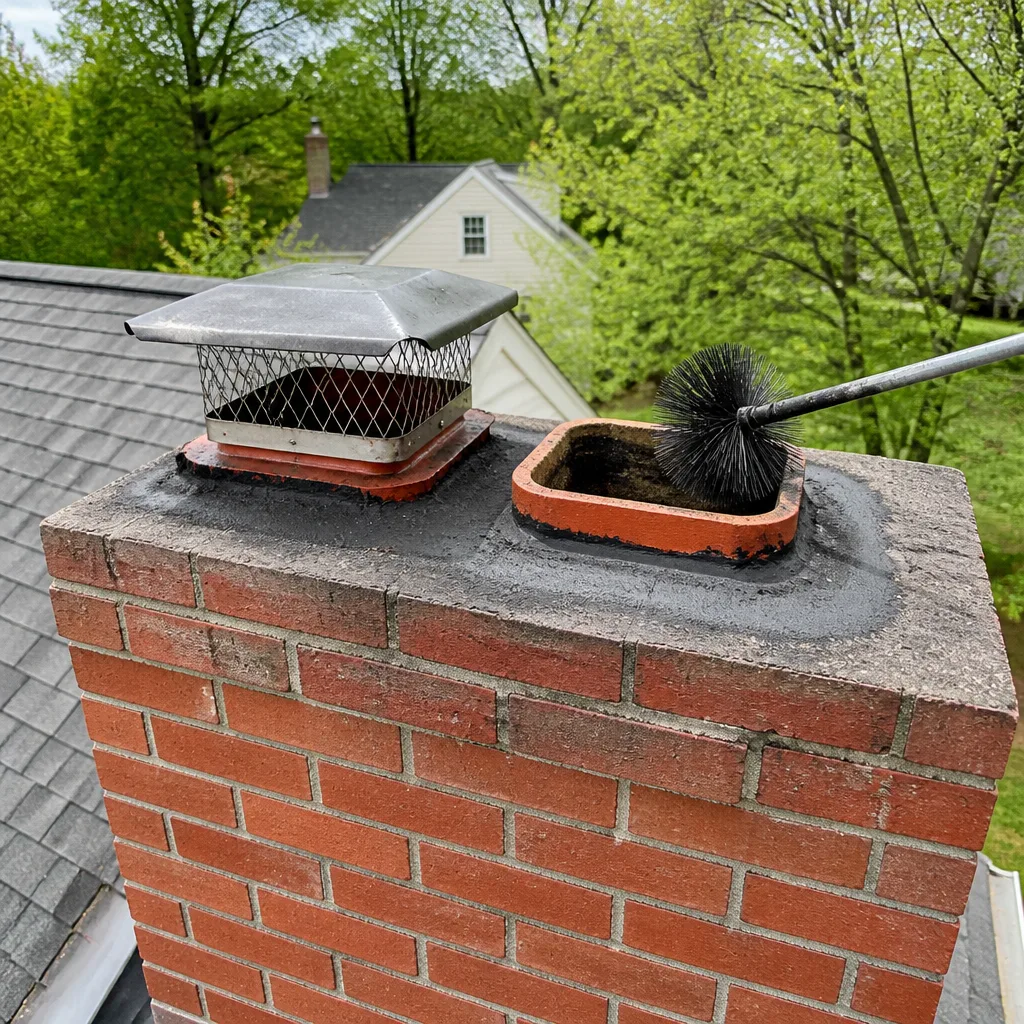 Sweep & inspection
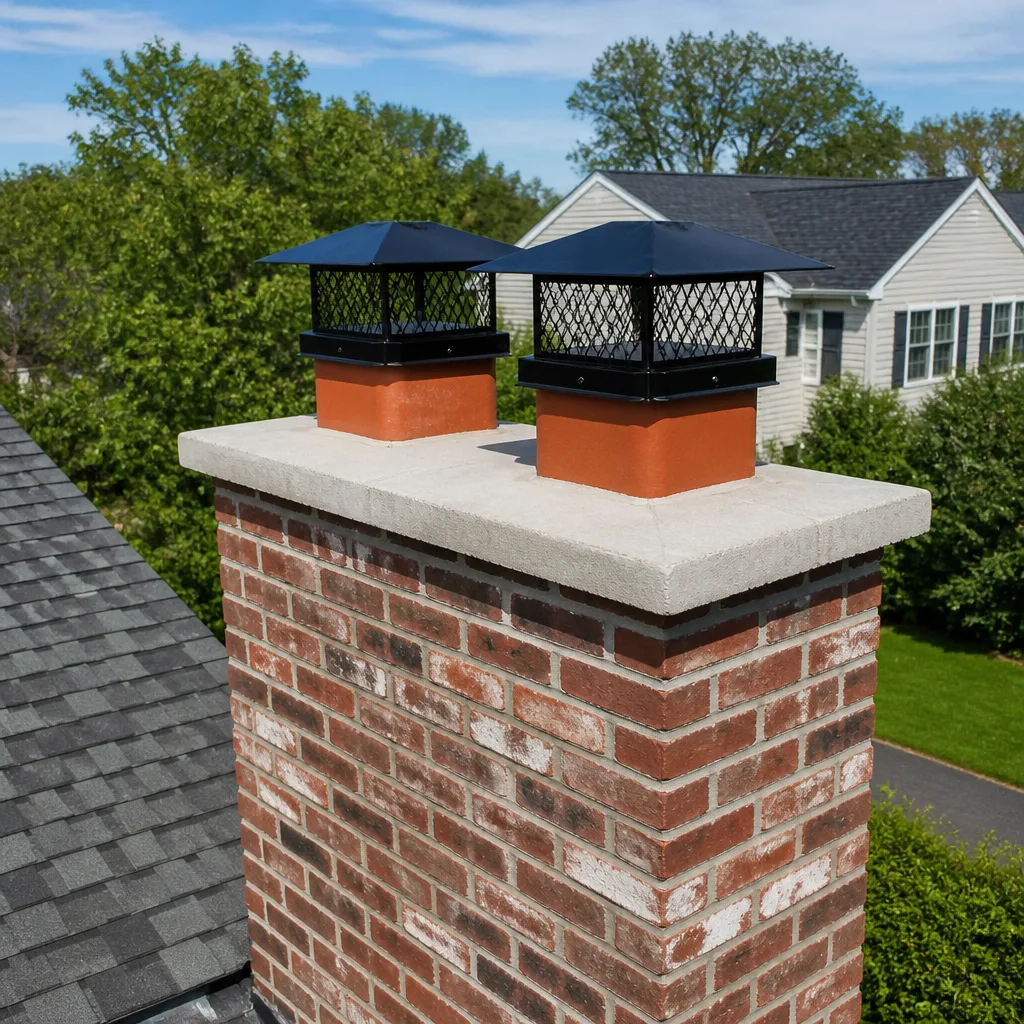 Caps & crowns
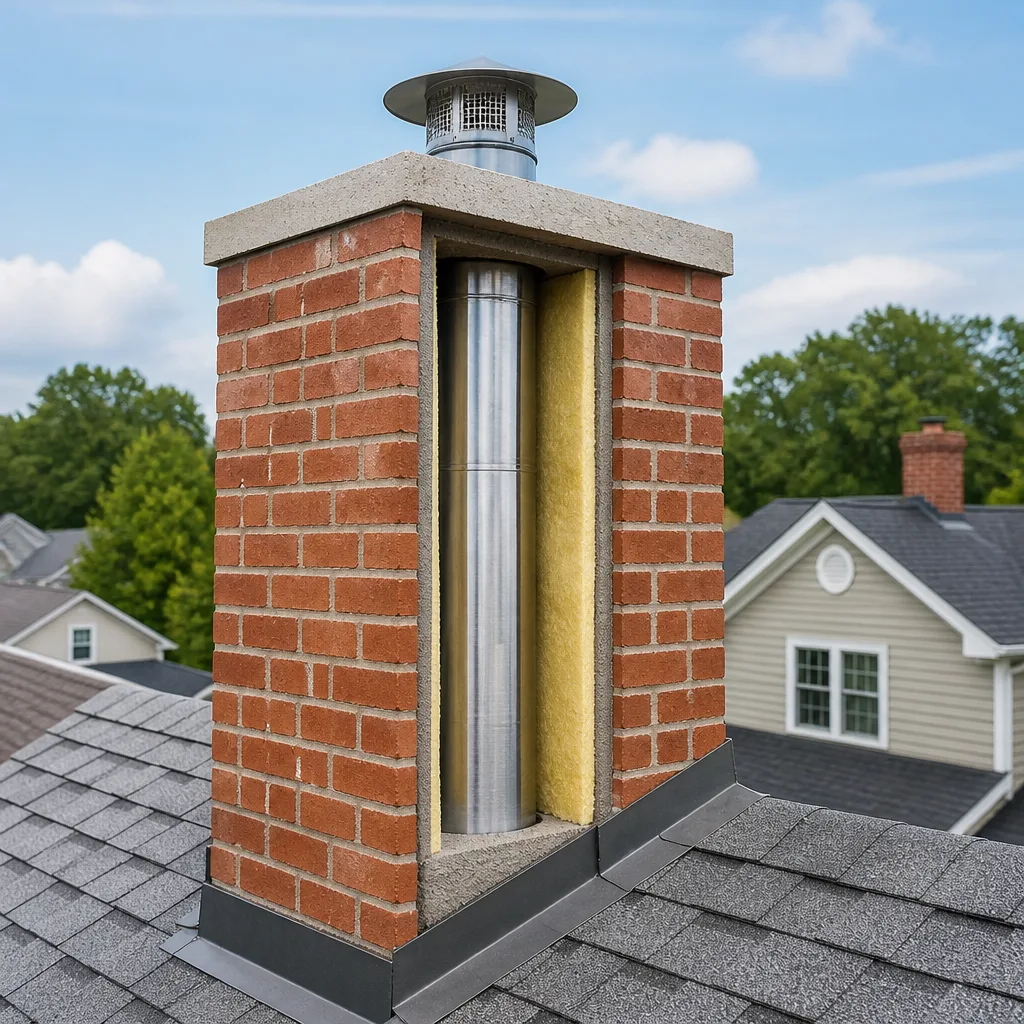 Flue relining
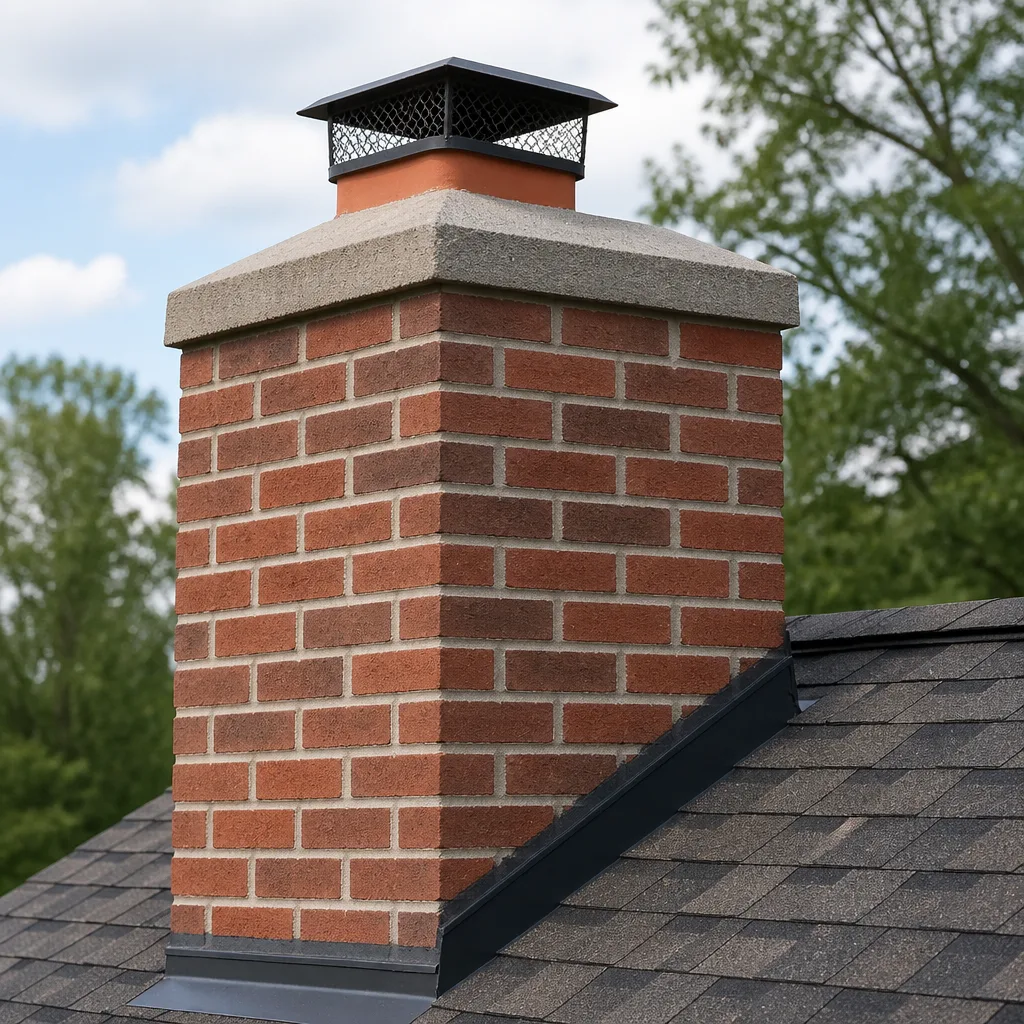 Masonry repair
 Gas fireplace service
Level 1 sweep and inspection to the NFPA 211 annual standard - flue, crown, cap, and flashing checked and photographed
Chimney sweep logs do not sweep chimneys. They loosen some creosote - which then falls where a brush and vacuum still have to collect it.
How to Hire a Chimney Cleaning Contractor in Central Park: A Step-by-Step Guide
Colorado has no statewide chimney contractor license, which means the person inspecting your flue may have completed a weekend course, or nothing at all. That surprises most homeowners, and it should. The single most common hiring mistake we see in Central Park isn’t picking the wrong company, it’s never asking the questions that would tell one company from another. This guide gives you a specific, question-based framework to separate a full-system specialist from a brush-and-go crew. You’ll learn what certifications actually prove, what to ask before anyone touches your flue, and what a proper service report should show you when the work is done.
Quick Answer
To hire a chimney cleaning contractor in Central Park, verify their credentials yourself: Colorado issues no mandatory chimney license, so look for CSIA certification, NFI credentials for gas work, and a written inspection report with photos of your actual flue. Ask whether they can find and repair liner damage or only clean, then compare quotes on documented scope rather than price alone. The right contractor can tell you what they found and show you the evidence.
Styles & brands we work with
- Sweep & inspection
- Caps & crowns
- Flue relining
- Masonry repair
- Gas fireplace service
Table of Contents
- Why Colorado Doesn’t License Chimney Contractors
- What CSIA and NFI Certifications Actually Tell You
- 7 Questions to Ask Before You Book
- Cleaning-Only Crew vs. Full-System Contractor
- Red Flags in a Chimney Service Quote
- What the Service Report Should Document
- Why Central Park Homes Need a Full-System Approach
Why Colorado Doesn’t License Chimney Contractors
Colorado does not require a statewide license to clean or inspect a chimney. That’s a fact worth sitting with. Electricians, plumbers and general contractors all answer to licensing boards in this state. Chimney work, which involves fire, carbon monoxide and structural components, falls into a gap. Anyone can print a business card and show up at your door.
What this means for a Central Park homeowner is simple: the burden of vetting is entirely yours. The person who inspects your flue and tells you whether it’s safe to burn is not screened by any state agency. Some jurisdictions have local business licensing, and we always tell people to check with the city, but none of that confirms technical competence. A business license confirms a business exists. It says nothing about whether that person knows a cracked flue tile when they see one.
The practical consequence is that chimney service quality varies more than almost any other trade you’ll hire for a home in Central Park. You’ll find contractors who’ve spent years training under experienced sweeps, and you’ll find people who bought a brush, a vacuum and a ladder and started taking calls. The only way to tell them apart before the work starts is to ask the right questions and read the answers carefully.
This is why we treat every inspection as a documented event. We inspect it, explain it, and fix it right the first time. But the point of this section isn’t to sell you on us. It’s to make clear that in a state without a licensing safety net, your questions are the safety net.
What CSIA and NFI Certifications Tell You
Certifications aren’t a license, but they’re the closest thing to one the chimney industry has. Two matter most, and they cover different work.
CSIA Certification
The Chimney Safety Institute of America (CSIA) certifies chimney sweeps and inspectors. To earn it, a technician passes an exam covering codes, venting, combustion and inspection standards, and must recertify over time. A CSIA-certified technician has demonstrated knowledge of how a chimney system works as a whole, not just how to push a brush through a flue.
Ask for the certification and check the CSIA directory yourself. It takes a few minutes. If a company claims certification and isn’t listed, that’s your answer.
NFI Credentials
The National Fireplace Institute (NFI) certifies technicians who work on gas, wood and pellet appliances. If your Central Park home has a gas fireplace, an NFI credential signals training in gas appliance venting and combustion, which is a different skill set from wood chimney sweeping. Verify it the same way.
What Certifications Don’t Cover
- They don’t guarantee insurance. Ask separately for a certificate of insurance and confirm it’s current.
- They don’t cover every technician at a company. Ask who is actually coming to your home and whether that person holds the credential.
- They don’t replace a documented inspection. Certification shows training. The report shows what’s happening in your chimney.
One more detail worth knowing: CSIA certification requires recertification, so a certified technician is current, not someone who passed an exam a long time ago and stopped keeping up. When you ask “Are you certified?” follow it with “Can you point me to the listing?” A confident professional will not hesitate.
7 Questions to Ask Before You Book
These are the questions that separate a full-system contractor from a cleaning-only crew. Write them down before you call. The answers tell you more than any brochure.
- What equipment do you use for inspection? You want to hear about a camera. A chimney camera lets the technician see the flue interior and record what it finds. A company that inspects only from the roofline or the firebox is guessing about the middle of your flue.
- Do you produce a written report? The answer should be an immediate yes, not a maybe. A verbal summary after the visit gives you nothing to refer back to, nothing to compare, and nothing to hand to a future contractor.
- Can you show me photos of my flue? This is the most important question on the list. Photos of your actual flue, taken during the inspection, are the difference between evidence and a sales pitch. If a contractor can’t or won’t show you the inside of your own chimney, treat their recommendations with caution.
- What happens if you find liner damage? A cleaning-only crew says “we’ll refer you to a repair company.” A full-system contractor says “we can assess and repair it.” Ask specifically whether they install liners and resurface flues, and with what materials.
- What creosote stage did you find, and where? Creosote comes in stages, from light soot to a hardened, glossy glaze that’s dangerously flammable. A technician who swept without identifying the stage and location swept without diagnosing.
- Are you certified, and what’s your insurance status? Ask for the CSIA listing, the NFI credential if gas is involved, and a certificate of insurance. The local pro you work with should be licensed and insured as their state requires.
- Will you give me a written estimate before any repair? You want the price set per job by a written estimate, agreed before work begins. Anything else invites upselling after the brush is already moving.
When someone answers all seven cleanly and sends you the report afterward, you’ve found the contractor you want. When they dodge even one, keep calling. Our Chimney Sweep Central Park team answers these every day, and we don’t mind at all. A homeowner asking sharp questions is a homeowner we respect.
Cleaning-Only Crew vs. Full-System Contractor
Most chimney companies in the Central Park market do one thing: they sweep and leave. That’s a legitimate service when your chimney is clean and healthy. It’s a dead end when the sweep finds a cracked tile, a failing crown or a flue that was never lined at all. The difference between the two kinds of companies is the difference between a routine cleaning and a repaired system.
What a Cleaning-Only Crew Can Do
- Sweep the flue of soot and creosote
- Remove debris from the firebox
- Clean the smoke chamber at the base
- Provide a verbal summary of what they saw
What a Full-System Contractor Should Handle
- Inspection with camera and photo documentation, including a written report you keep
- Flue liner repair and relining, using liner systems sized and rated for your appliance
- Flue resurfacing, restoring deteriorated masonry inside the flue rather than replacing it
- Firebox repair, addressing cracked firebrick and masonry joints
- Crown repair and rebuild, sealing the top of the chimney against water
- Cap installation, using purpose-built components that keep out rain, animals and debris
We handle all of that as one company. From the firebox floor to the chimney cap & crown, we work the whole system, which means you aren’t handed off to a second contractor who never saw the original inspection. Our material inventory comes from professional chimney brands: DuraFlex liner systems, HeatShield resurfacing, and Gelco and Famco cap and crown components. HeatShield matters more than most homeowners realize. It lets us resurface a damaged flue instead of tearing it out, a restoration most sweep-only companies can’t offer.
The practical test at hiring time is one question: “If you find damage, what can you fix yourselves?” Listen for specifics. If the answer is “everything except the sweep,” you’ve found a full-system contractor.
Red Flags in a Chimney Service Quote
A bad quote has tells. You don’t need years in the trade to spot them, just a close read.
- No mention of inspection. A quote for cleaning that never mentions an inspection is a quote for a service that can’t diagnose anything. Skeletons in the flue stay skeletons if no one’s looking.
- A flat price with no scope of work. “Chimney cleaning, flat rate” tells you nothing about what’s cleaned, whether the firebox is included, or whether an inspection comes with it. A real quote lists what’s covered.
- No written contract or estimate. Anything you can’t read in writing before work begins is a number you can’t hold anyone to. Get it in writing, every time.
- Upselling during the visit, before the work is done. This is the most common one. The technician arrives, looks up the flue, and suddenly you “need” a liner, a crown and a resurfacing, all quoted on the spot with no photos. If you can’t see the evidence, you can’t verify the recommendation. Ask for photos before you agree to anything.
- Pressure to decide today. A genuine safety issue should be explained calmly and documented, and the repair should be scheduled, not pushed. Urgency that feels sales-driven is a red flag.
- No proof of insurance. A crew working on your roof without liability coverage is a risk you didn’t agree to take. Ask for the certificate.
- Refusal to answer questions before the visit. A contractor who won’t spend five minutes on the phone answering your questions before booking is telling you how they’ll handle questions during the job.
What the Service Report Should Document
The service report is the deliverable that matters most, and it’s the part most homeowners forget to ask for. A proper report isn’t a receipt. It’s a record of your chimney’s condition at a specific moment, and it’s what you’ll compare against next year. Ask what the report will include before you book. Here’s what a complete one covers.
- Before-and-after photos of the flue interior. The camera sees what the brush removes and what it leaves behind. Photos prove both.
- The creosote stage found, and where it was found. Stage and location together tell you how close the deposit was to a real risk.
- Components inspected. The report should name what was checked: flue liner, firebox and firebrick, smoke chamber, damper, crown, cap, and exterior masonry where visible.
- Deficiencies noted. Anything cracked, spalled, missing or improperly vented gets listed. Deficiencies aren’t automatically repairs, but you need to know they exist.
- Recommended next steps, with a written estimate if repair is recommended. Recommendations should be tied to what the photos show, and the price should come in writing before you schedule.
Ask us what we found, and we’ll show you. Documentation is how a homeowner stays in control of the decision. When we say nothing is recommended without evidence, this is what we mean: you should never have to take a contractor’s word for a repair you can’t see. And when the findings allow a repair to wait safely, we say so. Both directions matter.
One practical note: keep every report. When you eventually sell a Central Park home, a documented maintenance history on a chimney system is worth more than a stack of receipts. It shows the system was watched, not ignored.
Why Central Park Homes Need a Full-System Approach
Central Park has a housing mix that puts real demands on a chimney system. The neighborhood combines older masonry chimneys with factory-built fireplaces from several building eras, and the two need completely different care. A masonry chimney can develop cracked flue tile that only a camera catches. A factory-built fireplace has its own lined flue with manufacturer specs for venting and component replacement, and a general-purpose sweep may not know them.
There’s also the climate. Central Park sits in a high-altitude, dry, cold-winter climate. Freeze-thaw cycles work on chimney crowns and exterior masonry year after year, cracking the crown and letting water into the structure. The damage rarely announces itself. It shows up as a spalled brick, a rusted damper, or a chimney drawing poorly on a cold morning. A contractor who inspects the whole system catches it; a cleaning-only crew does not look.
And the fireplace matters. If your Central Park home runs a gas fireplace, that appliance needs an NFI-trained technician, because gas venting and combustion behave differently from a wood flue. If it’s wood, creosote accumulation is the concern, and the creosote stage determines how urgently the flue needs attention. Either way, the right hire is a contractor who can inspect, explain and repair the whole system and doesn’t need to call someone else.
Our technicians have up to 15 years of experience across both chimney types. We offer chimney inspections as a standalone service, so if you’re buying a Central Park home or just want a baseline before the burning season, you can get a documented assessment without committing to any repair. That’s a useful thing to have in a state where nobody else checks.
Common Mistakes to Avoid
- Hiring on price alone. The cheapest quote in Central Park usually belongs to the company that sweeps without inspecting, which means you’re paying for a service that can’t find what actually matters. Compare scope, not price.
- Skipping the photo evidence. Agreeing to a liner or crown repair without seeing photos of your own flue is the classic way homeowners end up paying for work they can’t verify. Ask for the photos before you agree.
- Assuming certification without checking. Colorado doesn’t license chimney contractors, so a business card proves nothing. Look up the CSIA listing yourself and ask for an insurance certificate.
- Treating the inspection as optional. A cleaning without an inspection is a sweep that can’t tell you what it found. Ask for the report every time.
- Ignoring the crown until it leaks. The freeze-thaw cycle in Central Park cracks crowns slowly, and water damage inside a chimney is far more expensive than a crown repair caught early. Have the crown checked while it’s easy.
- Burning before the first inspection. If you’ve just moved into a Central Park home, you don’t know the flue’s history. Get an inspection before your first fire, not after a problem shows up.
- Deferring a recommended repair without asking if it can wait. Some findings can safely wait a season; some can’t. Ask directly, and insist on the reasoning.
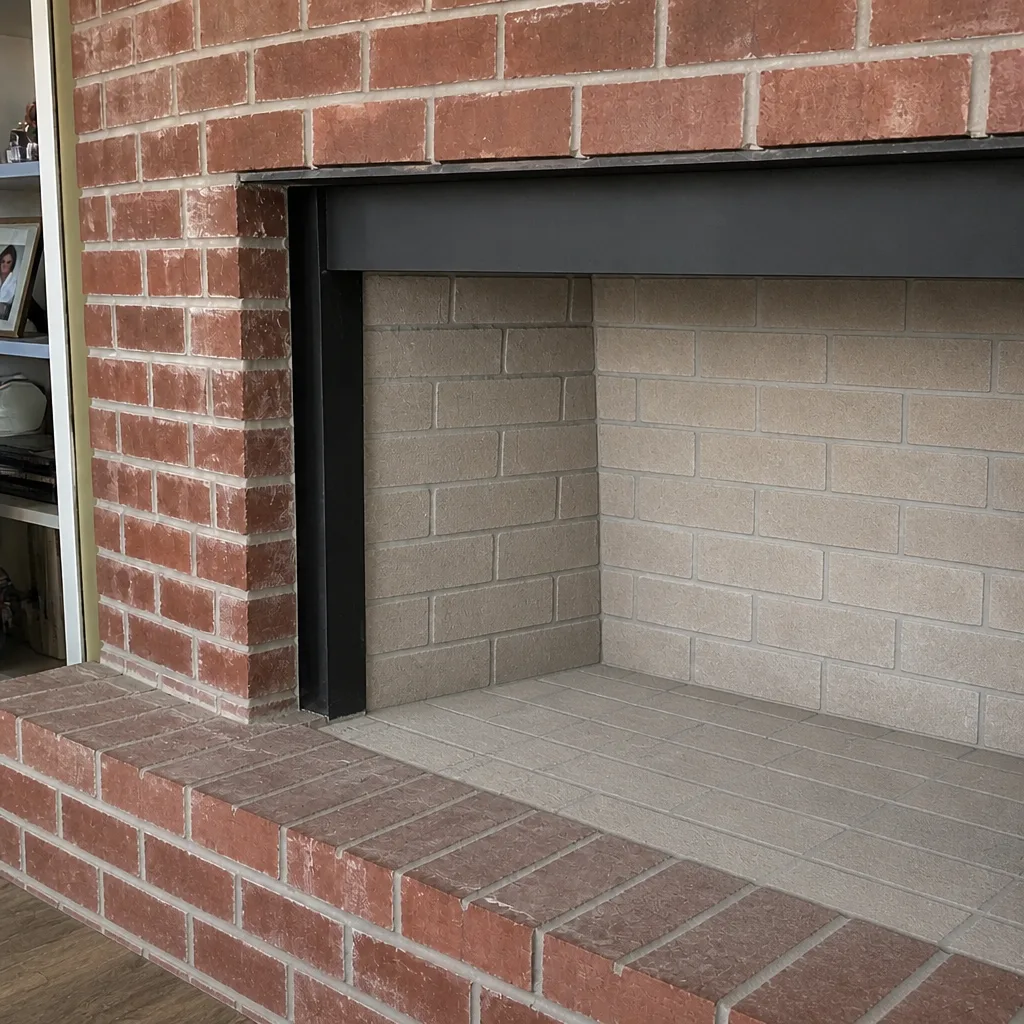
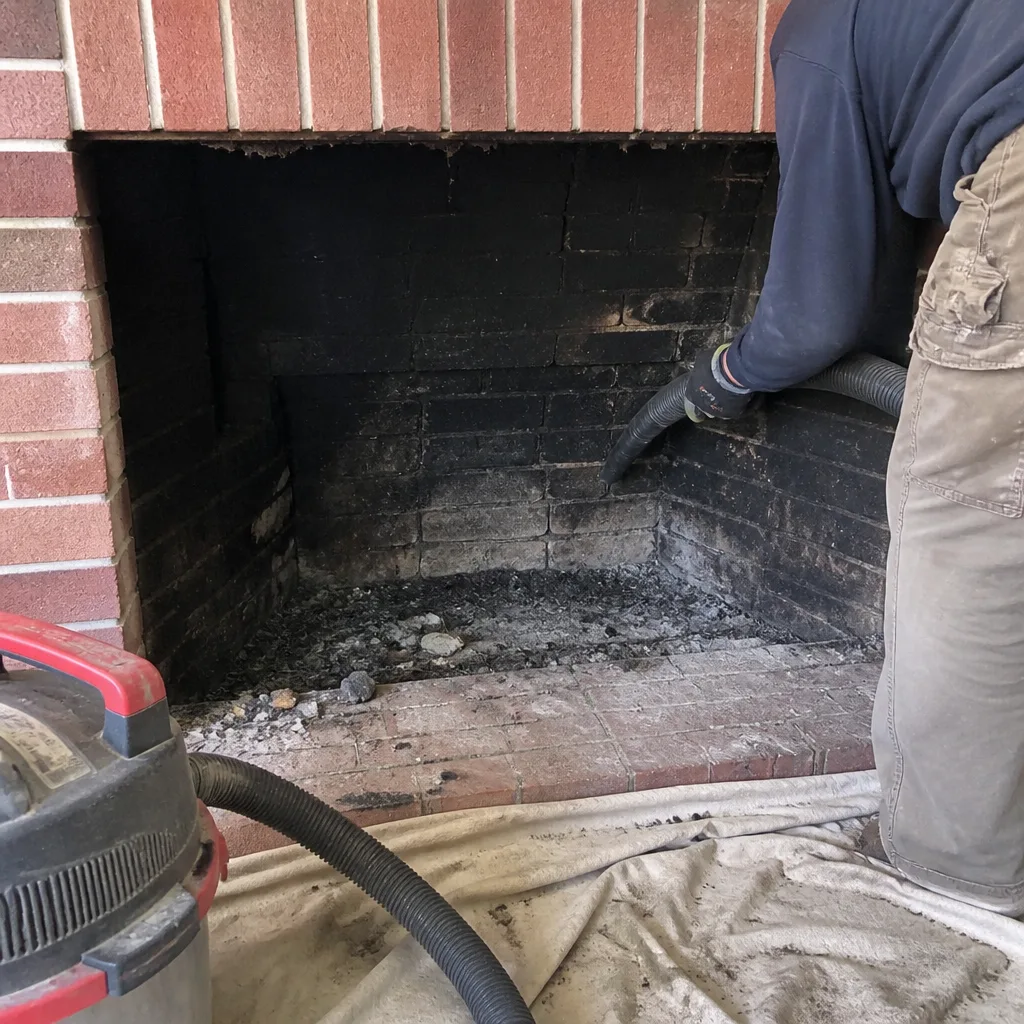
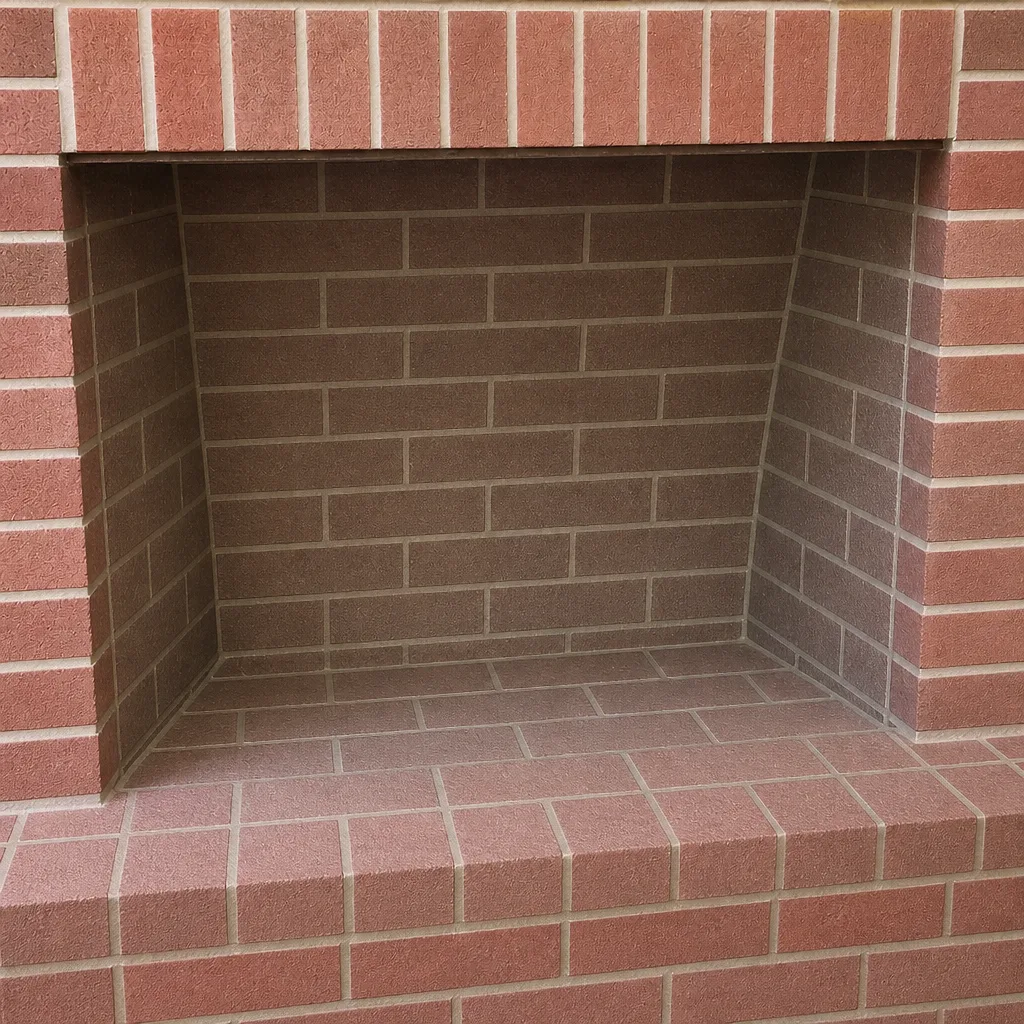
See the difference
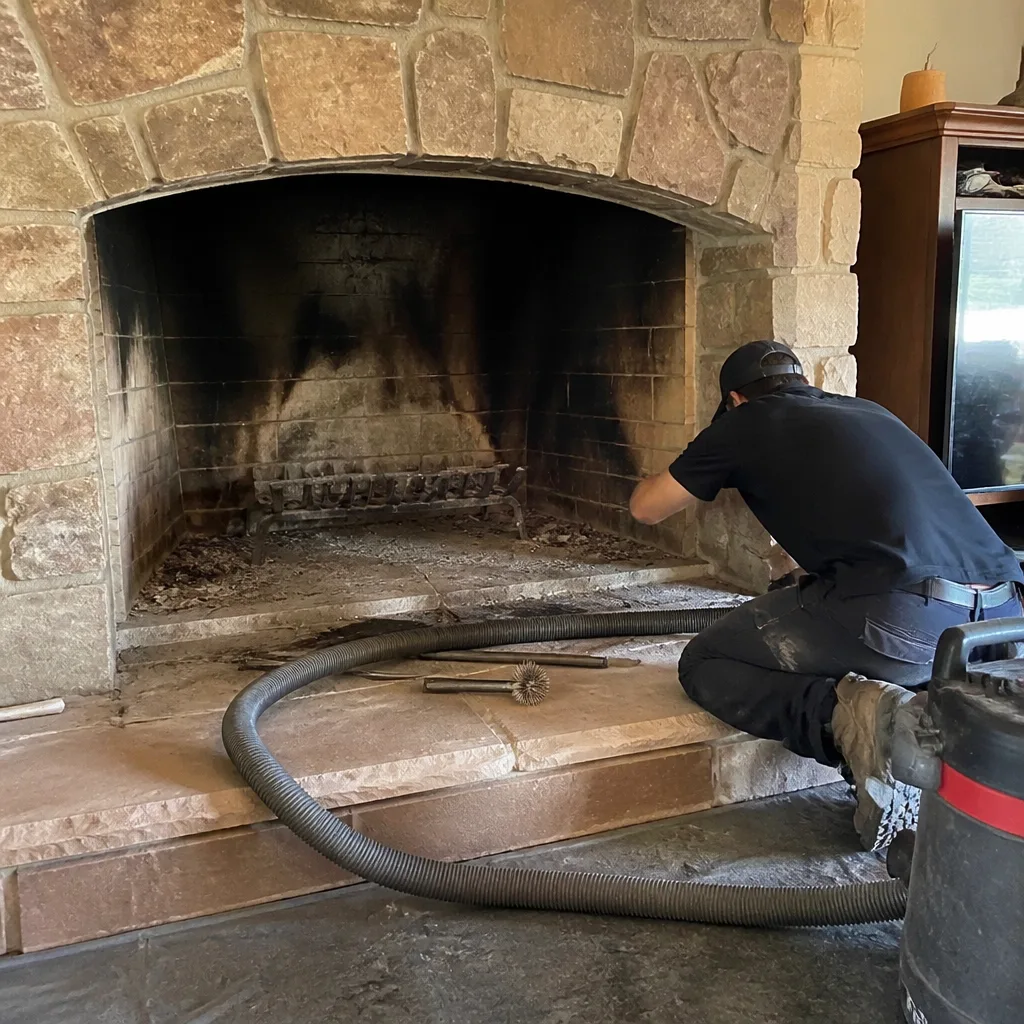 Before
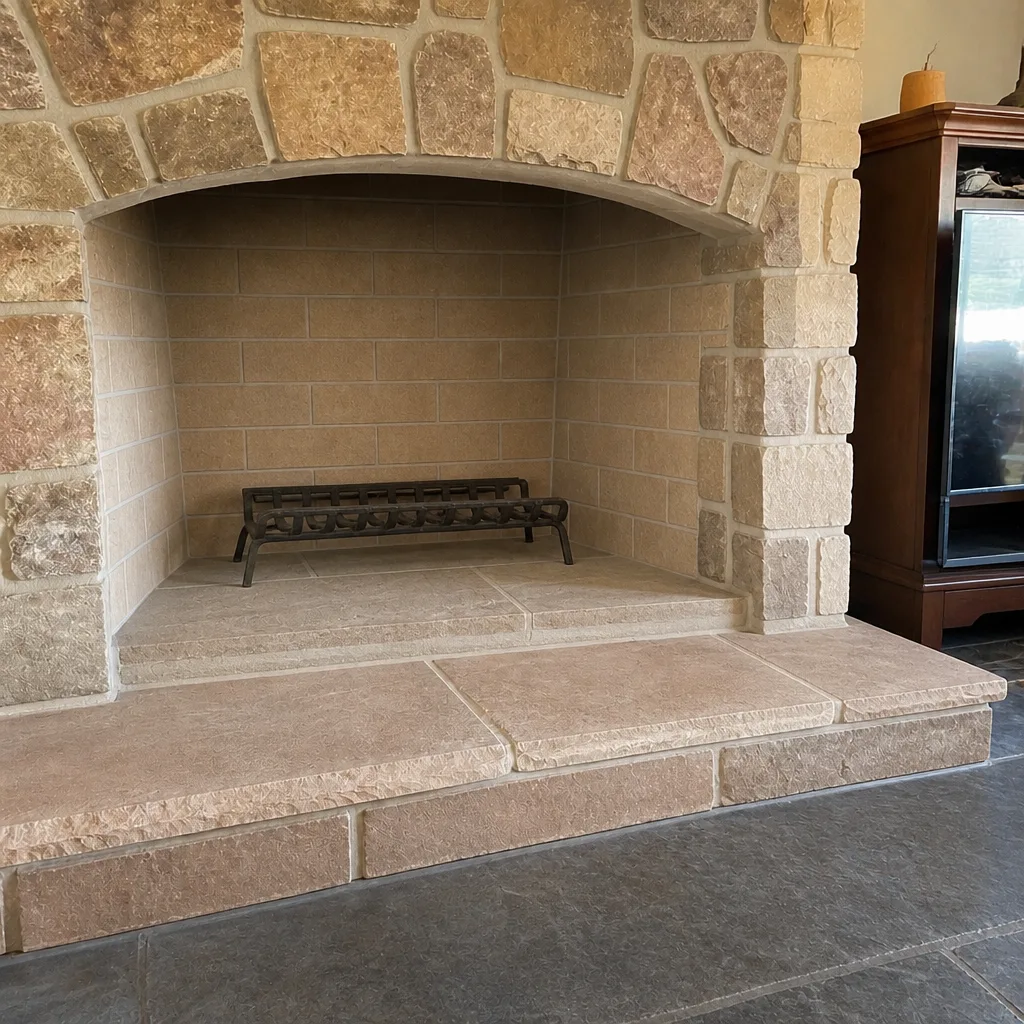 After
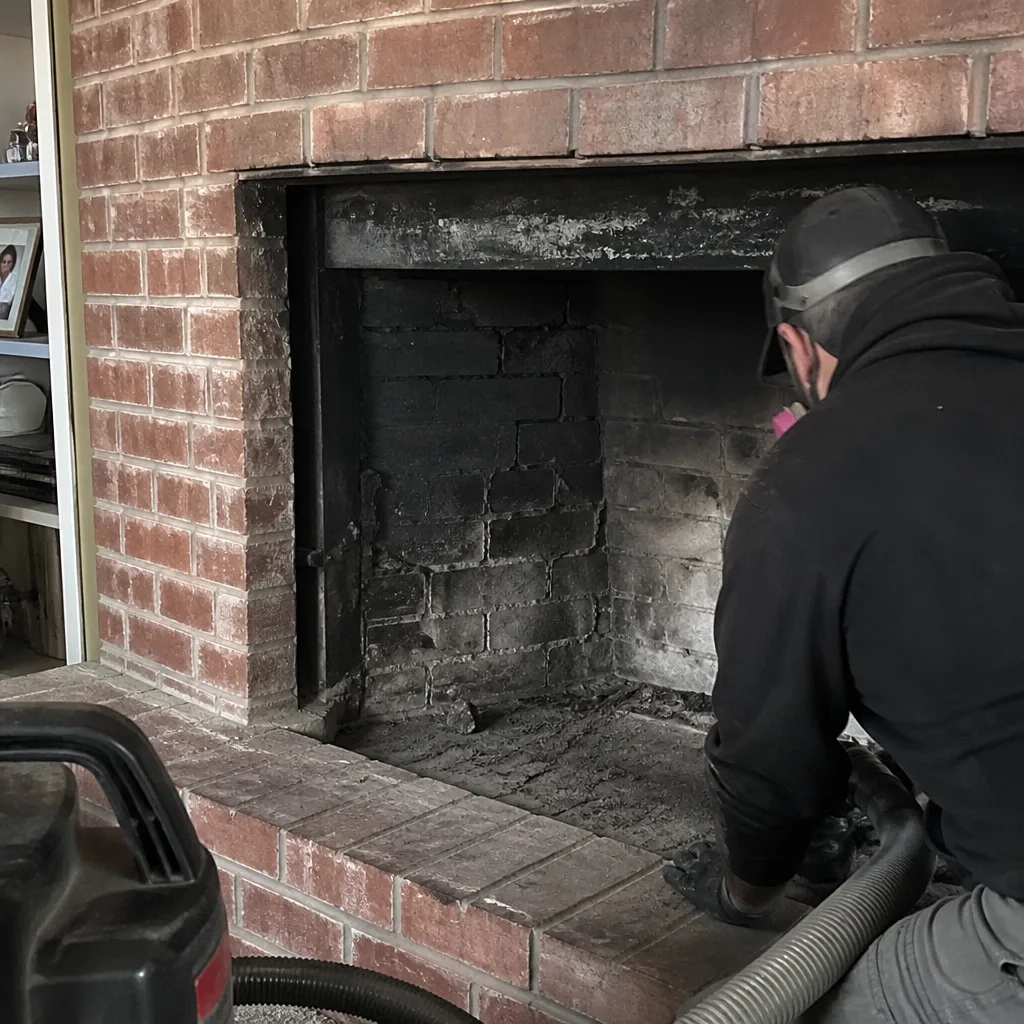 Before
 After
 Before
 After
When to Call a Professional
Call a chimney professional in Central Park when any of these apply. Your first burn of the season produces a strong, acrid smell or smoke that won’t draw right. You notice soot staining around the firebox, cracked masonry, or a crown with visible breaks. Your fire burns poorly, or the smoke pushes back into the room. You’ve just bought a Central Park home and haven’t seen a report on the system. You burn wood regularly and it’s been a while since the flue was cleaned. Or your gas fireplace is making noises, smells odd, or hasn’t been serviced by an NFI-trained technician. Chimney Sweep Central Park offers free estimates in Central Park. Call (855) 550-7509. We answer 24/7. Fast dispatch from 7am to 7pm, Sunday through Friday.
Frequently Asked Questions
No. Colorado does not issue a statewide chimney contractor license, so there’s no state credential to verify. That’s why CSIA certification, NFI credentials, and a current certificate of insurance do the hiring work a license would normally do. Call (855) 550-7509 for an exact quote; estimates are free.
Chimneys are commonly cleaned when the creosote deposit reaches about an eighth of an inch, or once a year with regular wood burning, whichever comes first. Annual inspection is the safer rhythm. A technician identifies the creosote stage and tells you what your specific flue needs. Ask for the report and photos. Call (855) 550-7509 to book an inspection.
Cost depends on the flue’s condition and what’s found during inspection, and it’s set per job by the written estimate, so we don’t quote a number over the phone. What we can tell you is that the estimate is free and the scope is documented in writing before any work starts. Call (855) 550-7509 for an exact quote.
Only if the inspection shows the existing liner is damaged, unlined, or the wrong size for the appliance, and only when the photos support it. Many chimneys with a sound liner don’t need one. When damage is found, a HeatShield flue resurfacing can often restore the flue instead of replacing the liner. Nothing gets recommended without camera evidence you can see yourself. Call (855) 550-7509 for an exact quote; estimates are free.
Creosote builds up, and glazed creosote is the stage that fuels a chimney fire. Carbon monoxide can also back up into the home if the flue is blocked or damaged, which is why an inspection is the part that keeps you safe, not just the sweep. Skipping service doesn’t create an immediate hazard in every case, but it’s the way small problems become invisible ones. Call (855) 550-7509 for an exact quote.
The cleaning itself is possible for some homeowners, but the inspection isn’t, because it requires a camera and training to read what it shows. Roof access also carries real fall risk. If you clean your own flue, still get a documented inspection, especially if you burn wood regularly. We answer 24/7. Call (855) 550-7509. Fast dispatch from 7am to 7pm, Sunday through Friday.
The Bottom Line
Colorado doesn’t license chimney contractors, so your questions do the vetting. Verify CSIA certification and NFI credentials, ask for photos of your own flue, and demand a written report and a written estimate before any repair. Choose a contractor who can repair what they find, not just sweep and leave, because a Central Park home with older masonry or a factory-built fireplace needs one company that sees the whole system. The goal isn’t the cheapest quote. It’s finding the contractor who can tell you what they actually found, and show you the evidence. From the firebox floor to the chimney cap, we handle the whole system.
Ready to book a sweep, an inspection, or a repair? Call (855) 550-7509 for a free estimate. Our team handles the chimney sweep side, fireplace repair, liner work with DuraFlex and HeatShield, and cap and crown installation from Gelco and Famco. We answer 24/7, and fast dispatch runs from 7am to 7pm, Sunday through Friday.
Written by the team at Chimney Sweep Central Park.