
Last updated November 24, 2026
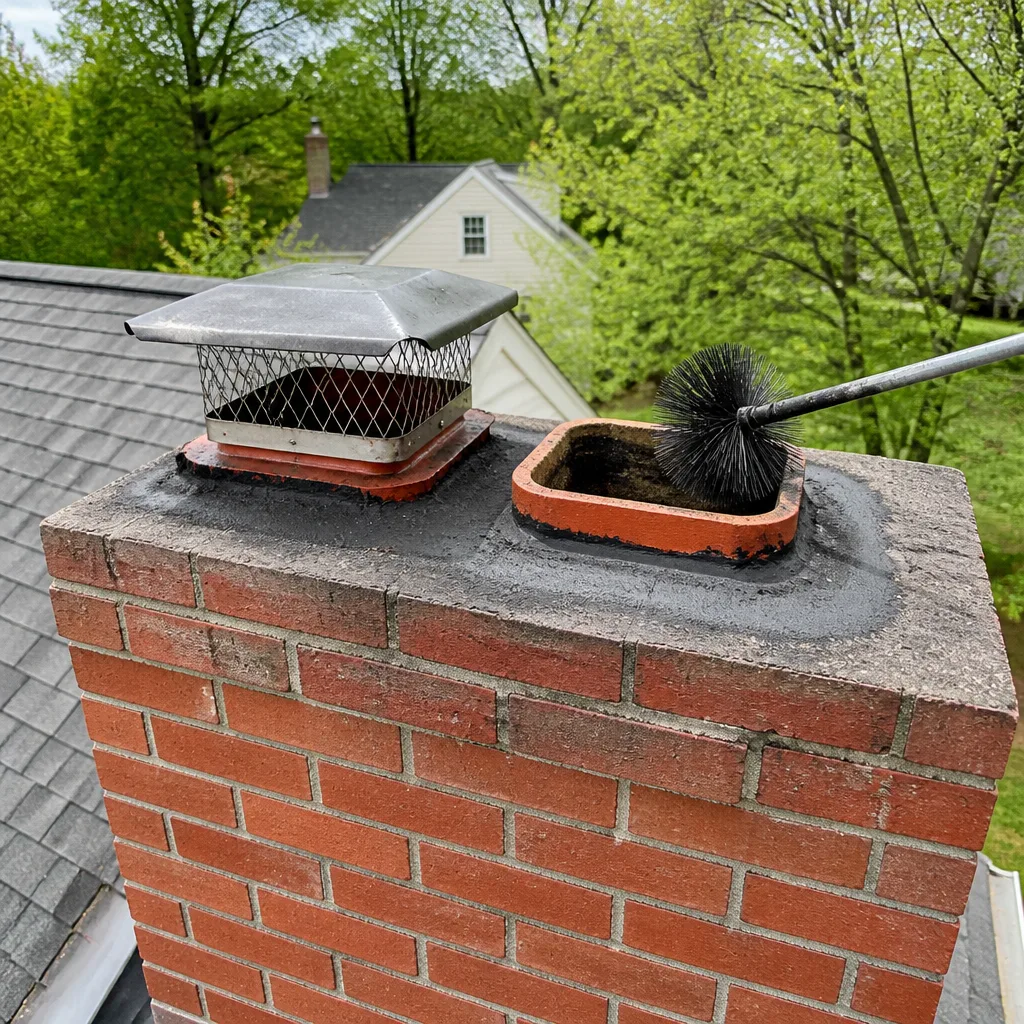 Sweep & inspection
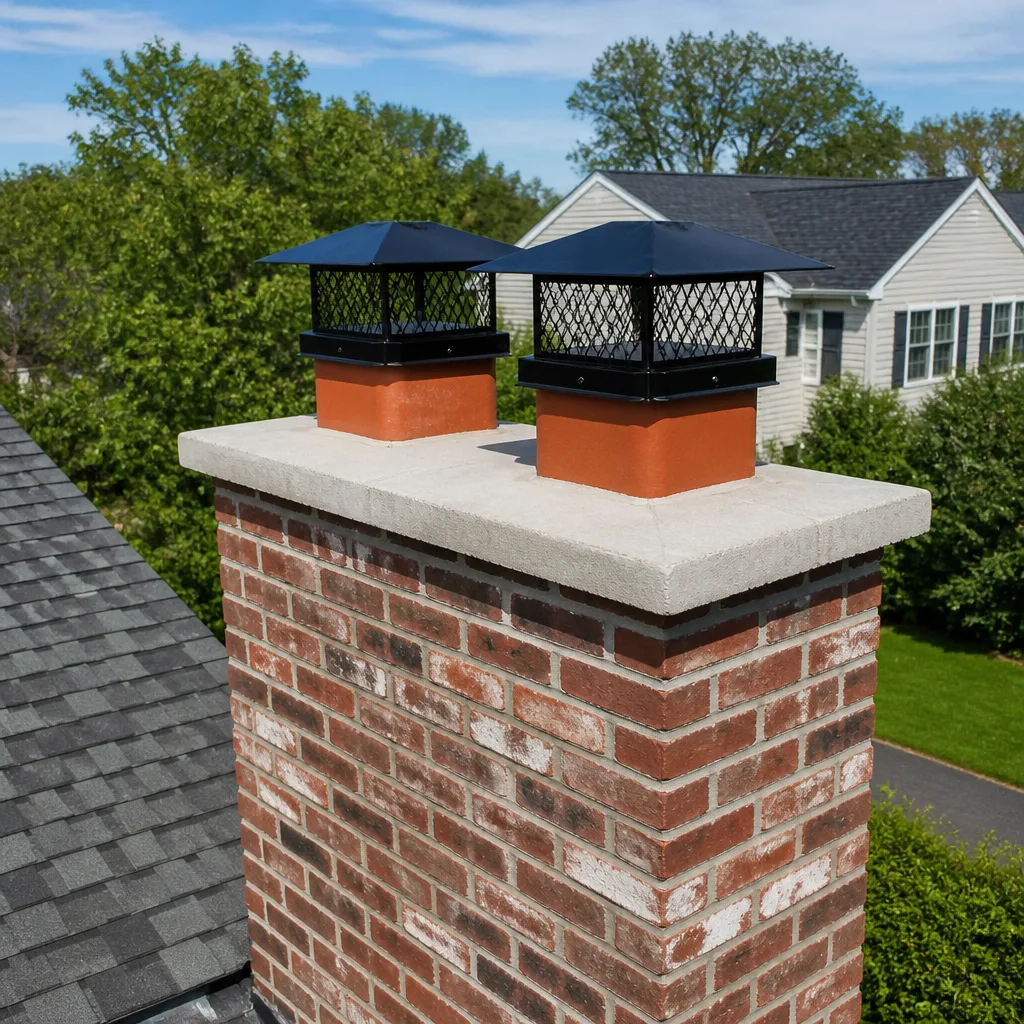 Caps & crowns
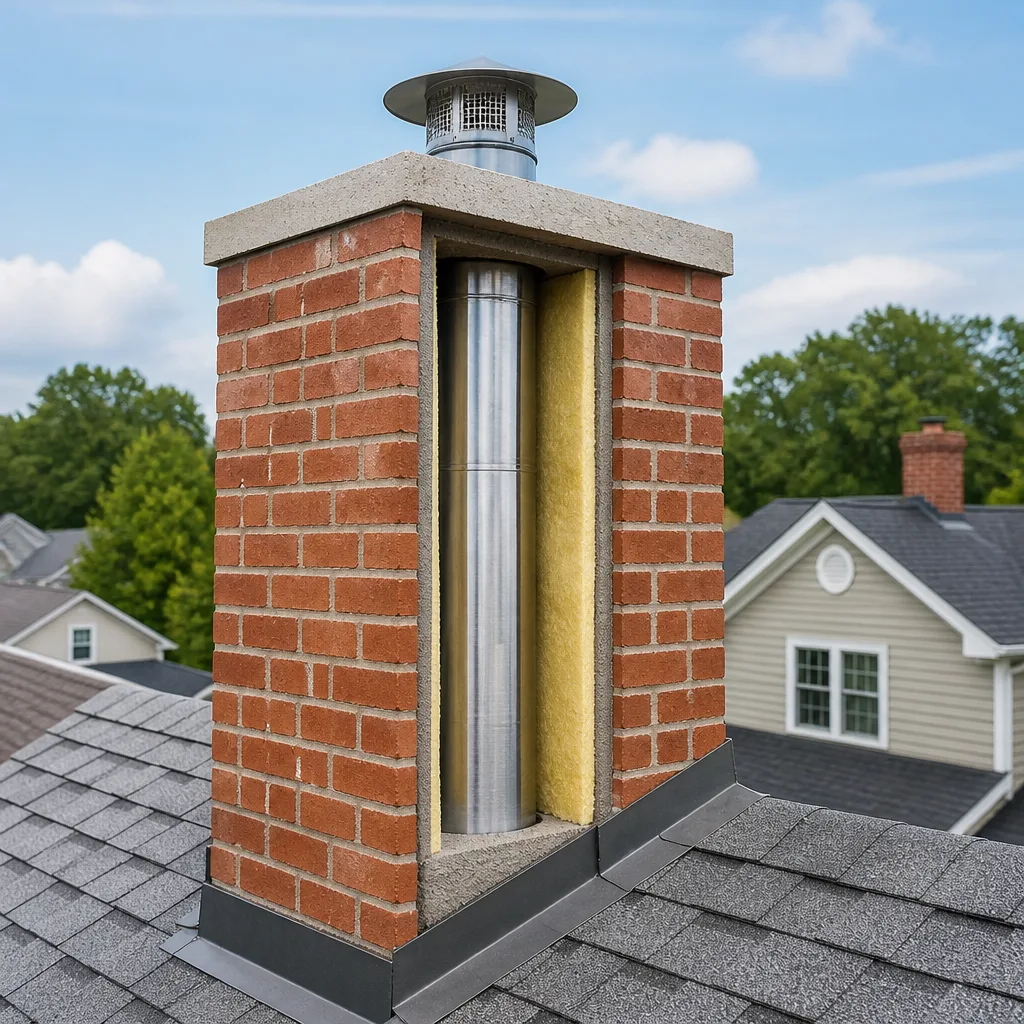 Flue relining
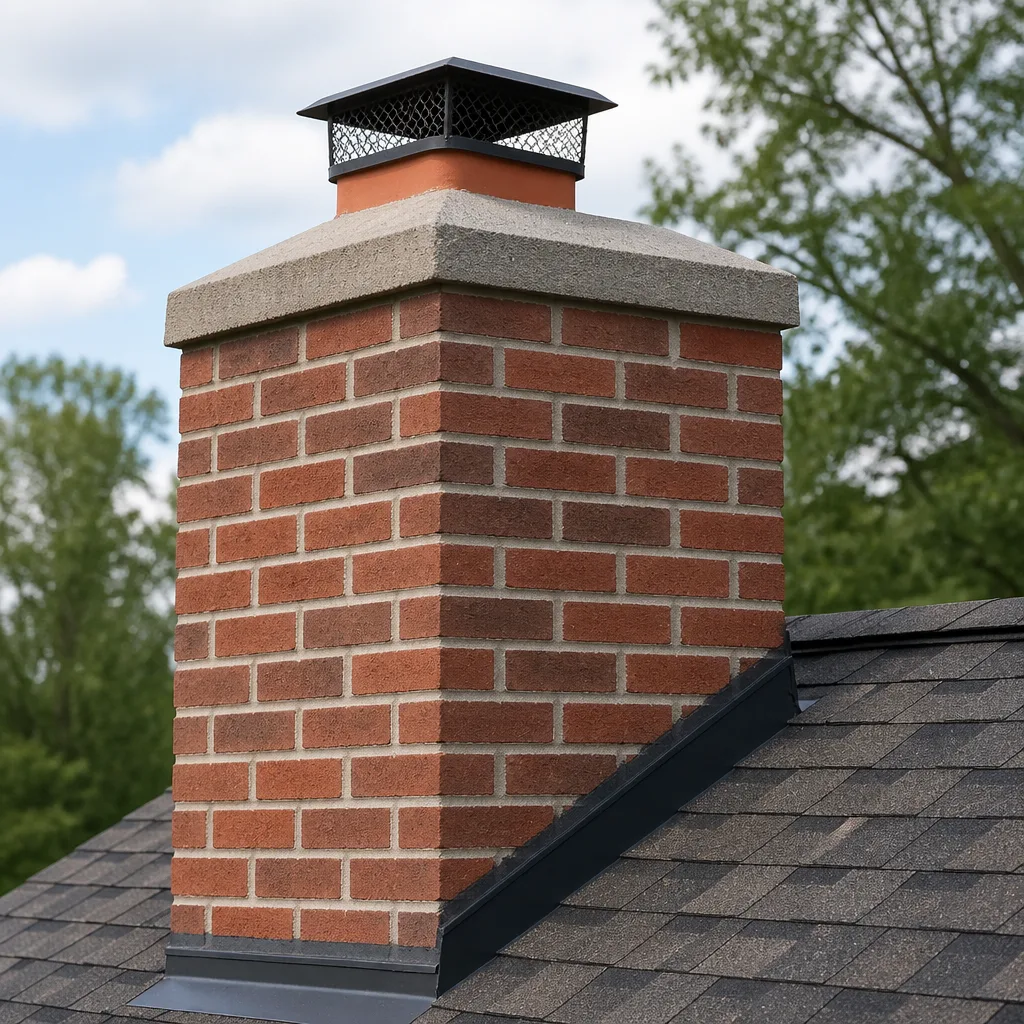 Masonry repair
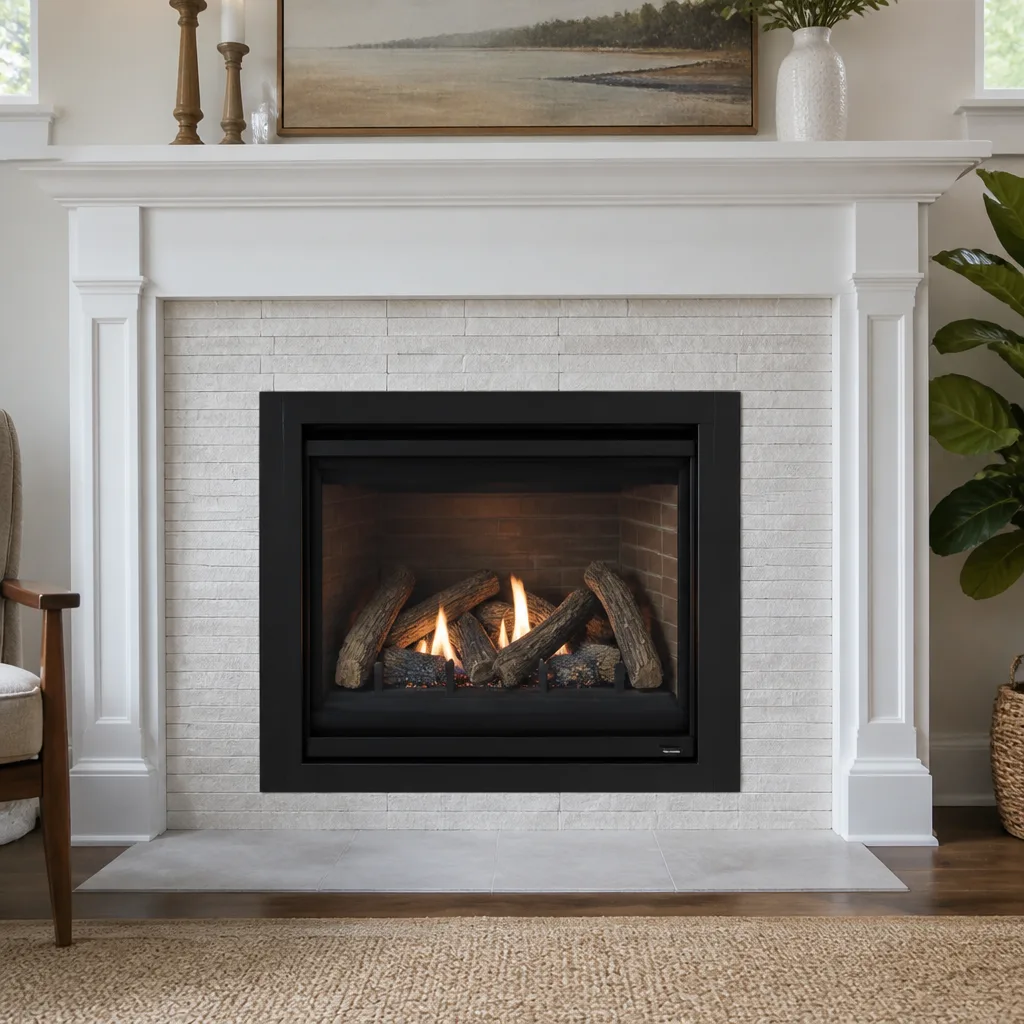 Gas fireplace service
Level 1 sweep and inspection to the NFPA 211 annual standard - flue, crown, cap, and flashing checked and photographed
Chimney sweep logs do not sweep chimneys. They loosen some creosote - which then falls where a brush and vacuum still have to collect it.
Chimney Cleaning Emergency Preparedness Guide for Central Park Homes
A chimney fire doesn’t always sound like a roaring blaze. It can burn silently inside the flue at temperatures exceeding 2,000°F, and the only clues a Central Park homeowner might notice are a faint chemical smell and discoloration at the crown. That gap between what people expect and what actually happens is why preparation matters more than panic. This guide walks through the specific scenarios that demand immediate action, the ones that can safely wait for a scheduled appointment, and the information you should have within arm’s reach before any of it happens. We work on chimney systems across Central Park, and we’ve learned that calm preparation beats a frantic phone call every time.
Quick Answer
Chimney emergency preparedness in Central Park comes down to recognizing three scenarios: an active or slow-burn chimney fire (evacuate and call 911), suspected carbon monoxide from your chimney system (get everyone outside, then call 911), and a sudden blockage that makes the fireplace unsafe to use (shut the damper, stop burning, and schedule an inspection). Everything else, including a cracked crown, a worn damper, or a dirty flue you can see but not smell, waits for a normal appointment. After any chimney fire, a Level 2 inspection is required before the appliance is used again.
Styles & brands we work with
- Sweep & inspection
- Caps & crowns
- Flue relining
- Masonry repair
- Gas fireplace service
Table of Contents
- How do you tell an active chimney fire from a slow-burn chimney fire?
- What should you do in the first five minutes of a chimney fire?
- What is the protocol for suspected carbon monoxide from a chimney?
- How do you assess a sudden blockage before lighting another fire?
- What happens during a post-fire Level 2 inspection, and why can’t it be skipped?
- What belongs on a pre-season emergency information sheet?
- Why does Central Park’s climate and housing stock shape these risks?
- How do you prevent an emergency in the first place?
How do you tell an active chimney fire from a slow-burn chimney fire?
An active chimney fire is loud, visible, and unmistakable. A slow-burn chimney fire is quiet, often invisible from inside the house, and just as destructive. Both ignite creosote deposits inside the flue, and both require the same response: stop feeding the fire, get everyone out, and call 911. The difference is in the signals, and knowing the quiet signals is what lets Central Park homeowners catch a slow burn before it damages the flue liner.
Signs of an active chimney fire include:
- A deep roaring or rumbling sound that many people describe as a low-flying aircraft or a freight train passing overhead.
- Flames or dense smoke shooting from the top of the chimney.
- Vibrations you can feel through the floor or walls near the fireplace.
- A strong, hot, tar-like smell inside the house.
- Popping or crackling that doesn’t match the sound of a normal fire in the firebox.
Signs of a slow-burn chimney fire are much subtler:
- A faint but persistent chemical or burning-plastic odor inside the house that doesn’t clear when the fire burns down.
- Discoloration, warping, or heat damage at the chimney crown, visible from the ground with binoculars.
- Creosote flakes or puffy, honeycombed creosote found on the roof or in the firebox after the fire.
- Warped damper plates, discolored firebox walls, or cracked flue tiles noticed on inspection.
- A whistling or hissing sound that wasn’t there before.
In our experience, slow-burn chimney fires are the ones that get missed because nothing dramatic happens. A Central Park homeowner hears no roar, sees no smoke, and assumes the small smell is just the fire settling. It isn’t. If anything on the second list shows up, treat the chimney as a fire-damaged system and get it inspected before the next burn. Call us and we’ll come out and tell you what we found.
What should you do in the first five minutes of a chimney fire?
In the first five minutes of a chimney fire, the correct sequence is: alert everyone in the house, get out, call 911 from outside, and don’t try to fight it yourself. A chimney fire can spread into the roof structure through cracks in the flue, and the only safe place to observe whether it’s under control is from the ground outside. If you have to move through the house to reach a door, keep low and stay calm. Once outside, wait for the fire department and do not re-enter until they clear the building.
Here is the step-by-step protocol we recommend every Central Park homeowner keep taped inside a cabinet near the fireplace:
- Alert and evacuate. Shout to every occupant, including anyone on a different floor, and leave through the nearest safe exit. Close doors behind you if you can do it without delay.
- Call 911 from outside. Tell the dispatcher you have a chimney fire and give your Central Park address.
- Do not re-enter for belongings. No phone charger, no pets, no paperwork is worth a return into a burning structure.
- Close the firebox doors or glass if it’s safe and you haven’t left yet. This starves the fire of oxygen. Skip this if there’s any delay in getting out.
- Do not spray water down the flue. A sudden temperature change can crack flue tiles and send steam and debris back into the room. This is not a do-it-yourself fire to fight.
- Stay outside until cleared. Wait for the fire department to confirm the fire is out and the building is safe.
- Book a post-fire inspection before you burn again. See the Level 2 section below for what that involves.
The reason we emphasize “don’t fight it yourself” is that chimney fires are far hotter than a normal fireplace fire, and they happen inside a flue you can’t see. There’s no safe way to visually check whether the fire is out, and closing a damper or spraying water can either feed the fire or damage the very liner that’s supposed to contain it. Calling 911 is not an overreaction. It’s the only safe response to an active chimney fire.
What is the protocol for suspected carbon monoxide from a chimney?
If you suspect carbon monoxide from your chimney system, get everyone out of the house and call 911 from outside. Do not try to find the source first, do not open windows “to check,” and do not assume the alarm is malfunctioning. Carbon monoxide is colorless, odorless, and produced by incomplete combustion, and a blocked or leaking chimney is one of the most common ways it enters a home. The only safe response is evacuation and emergency services.
Here is the protocol for Central Park homeowners:
- Get out immediately if the CO alarm sounds or anyone in the house has symptoms. Headache, dizziness, nausea, and confusion are the classic signs and they get worse with continued exposure.
- Call 911 once you’re outside. Report the alarm or symptoms and give your address.
- Do not re-enter until the fire department clears the building. They will test air levels and tell you when it’s safe.
- Once cleared, schedule a chimney inspection before you use the fireplace again. A CO event means something in the system is failing, and the cause needs to be found.
When the cause turns out to be a draft problem, the typical findings are reverse draft on a cold, still day, a flue that’s undersized for the appliance, a blocked flue, or a damaged liner letting exhaust leak into the house. Those are repairable issues, but only after an inspection identifies which one is behind the alarm. A gas fireplace can produce carbon monoxide just as a wood one can, so a gas appliance doesn’t take this risk off the table.
Every Central Park home with a combustion appliance should have CO alarms on each level and outside sleeping areas. Test them monthly. Replace the batteries on a set schedule and replace the units themselves at the manufacturer’s recommended interval. That single step is the reason people walk out of a CO event instead of being carried out.
How do you assess a sudden blockage before lighting another fire?
A sudden blockage makes the fireplace unsafe to use until it’s cleared and the flue is inspected. The most common causes are animal intrusion (birds and squirrels are the usual culprits), a debris fall from a crumbling crown or cracked flue, and a collapsed section of liner. If the fireplace smoked back into the room on the last fire, or if the draft has suddenly gone weak, stop using it. A blockage doesn’t usually announce itself. It shows up as smoke, smell, or a fire that won’t burn right.
Here’s how to assess whether you can use the fireplace or must shut it down:
- Look up the flue with a flashlight before lighting. If you see daylight at the top, the flue is likely clear. If you see dark shapes or debris resting on the damper, shut it down and call.
- Listen for scratching or fluttering. Bird wings, squirrel claws, and chimney swifts make noise that a quiet house will pick up. That sound means a blockage.
- Check the draft with a small test fire. Roll a piece of newspaper, light it, and hold it near the damper with the firebox door open. If smoke rolls back into the room instead of going up, stop.
- Look for soot streaks around the firebox or a whistle at the damper. Both point to restricted flow.
- Inspect the top of the chimney if you can do it safely from the ground. Look for a missing or damaged cap, which is the usual entry point for animals.
- Don’t burn through the blockage. A blocked flue forces exhaust into the living space. That’s a carbon monoxide risk, not a performance issue.
If anything on that list points to a blockage, shut the damper, put the fireplace out of use, and book an inspection. When we come out, we run a camera down the flue and show you exactly what’s in there. That camera footage is the whole point. You shouldn’t have to take a contractor’s word for a several-hundred-dollar repair you can’t see, and we don’t ask you to. We take photos and share them. When we can install a chimney cap & crown from Gelco or Famco on the same visit, we will, because that’s what stops the next squirrel from finding its way in.
What happens during a post-fire Level 2 inspection, and why can’t it be skipped?
NFPA 211 requires a Level 2 inspection after any chimney fire, before the appliance is used again. That’s not a suggestion. It’s the code standard in the trade, and skipping it is how a slow-burn fire becomes a house fire months later. A Level 2 inspection includes everything in a Level 1 inspection (accessible visual check of the appliance, connector, and accessible portions of the flue) plus a video scan of the entire flue interior, accessible attics, and crawl spaces. It’s how we find hidden damage that a flashlight can’t reach.
During a Level 2 inspection in Central Park, we typically:
- Examine the firebox for warping, cracked brick, or damaged refractory panels that suggest high heat.
- Inspect the damper and smoke chamber for warping, creosote glazing, or heat damage.
- Run a camera through the entire flue from the top to the firebox, looking for cracked or missing tiles, gaps in joints, and displaced liner sections.
- Photograph every defect and share the images with you on the spot.
- Inspect the chimney exterior, crown, and cap for heat damage or structural failure.
- Document the findings in a written report with recommendations ranked by urgency.
The reason this can’t be skipped is simple: a chimney fire warps metal, cracks clay tile, and can shear the joints between tiles without any visible sign from inside the house. A Level 2 inspection is how we determine whether the flue is intact or needs repair, and if it needs repair, what kind. HeatShield ceramic resurfacing can restore a flue with moderate interior damage in some cases, and a DuraFlex liner system can restore an unlined or badly damaged flue. Neither can happen until the inspection tells us which one is needed.
We’ve seen Central Park homeowners get told by another company that the whole chimney needs rebuilding after a small fire. Sometimes that’s true, and sometimes a resurface is all that’s required. Our answer is to show the footage and let you decide what work to approve. That’s what we mean when we say a clean chimney is the starting point; a safe, structurally sound chimney is the goal.
What belongs on a pre-season emergency information sheet?
A pre-season emergency information sheet should list your chimney service contact, the date and result of your last inspection, your liner material and type, the location of your CO and smoke detectors, and your gas meter shutoff location. Fill it out once in the fall, keep it in the cabinet next to the fireplace or taped to the inside of a nearby closet door, and update it after any service. In an emergency, when you’re outside watching the fire department arrive, the sheet is what lets a responder or a family member give accurate answers without guessing.
Fill in the following for your Central Park home and keep the completed sheet near the fireplace:
- Chimney service contact: name, phone number, and the hours they answer. (Ours is (855) 550-7509, and we answer 24/7.)
- Last inspection date and inspector: when it was done, who did it, and what was found.
- Flue liner type and install date: clay tile, stainless steel (DuraFlex or similar), cast-in-place, or unlined.
- Appliance type: wood-burning fireplace, wood insert, gas fireplace, pellet stove, or wood stove.
- Chimney cap and crown details: last installed, brand if known (Gelco and Famco cap and crown products are common on Central Park homes), and condition.
- CO detector locations: list every room where one is installed, plus the date of the last battery change.
- Smoke detector locations: same as above.
- Gas shutoff location: outside the house, accessible without entering.
- Emergency contacts: two phone numbers of family or neighbors who can be called if you’re not home.
- Notes: any existing known issues, like a slow damper or a draft that acts up in cold weather.
Write your sheet by hand, photograph it with your phone, and keep both versions accessible. During an emergency, the last thing anyone wants to do is search a filing cabinet for a service invoice while the fire department is arriving. A single index card can do the work.
Why does Central Park’s climate and housing stock shape these risks?
Central Park sits on high ground east of Denver, and that geography matters for chimney safety in a few ways that most chimney guides don’t mention. The Denver front range gets significant cold snaps with sharp temperature swings, and Central Park’s elevation means those swings hit harder than they would at lower altitudes. A chimney that drafts cleanly on a mild afternoon can struggle on a cold, still morning when the air outside is denser than the air in the flue.
Combustion needs three things: fuel, air, and a warm flue. In Central Park, the cold snaps push the third one hard. The flue cools fast between burns, and once it’s cold, a fire can smolder without drafting properly. That’s the slow-creosote scenario, and creosote is the fuel that feeds chimney fires. In practice, Central Park homeowners should pre-warm the flue on cold mornings before lighting a fire. Roll a piece of newspaper, light it, and hold it near the damper for 20 or 30 seconds before you add kindling. It sounds fussy. It’s one of the simplest things you can do to reduce creosote buildup and improve drafting on a cold day.
Central Park’s housing stock plays a part too. Many homes came online in the 1990s and early 2000s with factory-built fireplaces and prefabricated metal flues rather than masonry chimneys. Those metal flues have a lifespan, and their liners can crack from heat stress after years of use. If your home has a prefabricated metal firebox, the liner matters more than the firebox, and its condition is only visible with a camera. That’s why an inspection is worth scheduling even when the fireplace is working fine. The camera tells you what a working fireplace can hide.
The dry winter air in Central Park also pulls moisture out of masonry joints and crowns. A chimney crown that looks intact in summer can hairline-crack in January, and once water gets behind it, freeze-thaw cycles widen the damage. A capped, properly crowned chimney stops all of that. When we install a cap or crown on a Central Park chimney, we install one from Copperfield or Olympia Chimney so the hardware is designed for the purpose, not improvised from general hardware store parts.
How do you prevent an emergency in the first place?
Prevention comes down to three habits: annual sweeping, annual inspection, and knowing the warning signs before they escalate. The NFPA recommends chimneys be swept and inspected annually, and that schedule catches the issues that cause most fires: creosote buildup, cracked flue tiles, animal blockages, and failing crowns. A Central Park homeowner burning wood regularly through the winter will typically need at least one sweep per season, sometimes two if you burn a lot and burn green wood.
Here’s the maintenance calendar we recommend in Central Park:
- Before the season (September or October): schedule a sweep and inspection. Burning season is about to start, and this is when you want to know what’s in the flue before you light the first fire.
- Mid-season (January): if you burn daily, schedule a mid-season sweep. Creosote accumulates faster than most people think.
- After any chimney fire: Level 2 inspection, without exception, before you burn again.
- After any extended vacancy: inspect before relighting. Animal intrusion is the most common issue we find in homes that have been sitting empty.
- After a major storm or high winds: check the cap and crown from the ground. If anything looks off, book an inspection.
- Every spring: have the crown and exterior masonry checked for freeze-thaw damage.
Between appointments, burn seasoned wood (split, stacked, and air-dried for at least six months), keep the firebox clear of paper and trash, and avoid long overnight burns with the damper barely open. A slow, smoky fire is a creosote-producing fire. If your chimney is an older masonry chimney and burning is still rough even after a sweep, a fireplace repair may be what the system actually needs. And if you don’t know when your last inspection happened, book a chimney sweep and an inspection in one visit. Our technicians have up to 15 years of experience, and every inspection is documented so you have a record of every finding.
Common Mistakes to Avoid
- Treating a slow-burn chimney fire as “just a smell.” The faint chemical odor and crown discoloration that follow a slow burn are the signs most people miss. If you notice either after a fire, book an inspection before you burn again.
- Skipping the Level 2 inspection after a fire. A visual check from the ground can’t see inside the flue. NFPA 211 requires a camera scan, and it’s what catches hidden damage before a second fire exposes it.
- Spraying water down the flue during a chimney fire. A sudden temperature change can crack flue tiles, and the steam can send debris back into the room. Get out and call 911.
- Burning through a blockage. If smoke rolls into the room or the draft has suddenly failed, the blocking material is still there. Shut the damper, stop burning, and book an inspection.
- Assuming a gas fireplace can’t produce carbon monoxide. A gas appliance produces less creosote than a wood burner, but it still vents combustion gases through the same flue. The CO risk doesn’t go away.
- Relying on one CO alarm for the whole house. The CDC recommends alarms on every level and outside sleeping areas. A single alarm in the basement doesn’t cover a bedroom upstairs.
- Waiting until winter to book the inspection. Central Park’s first cold snap is when everyone calls. Book in the fall and you’ll have your system checked before the first freeze, not after.
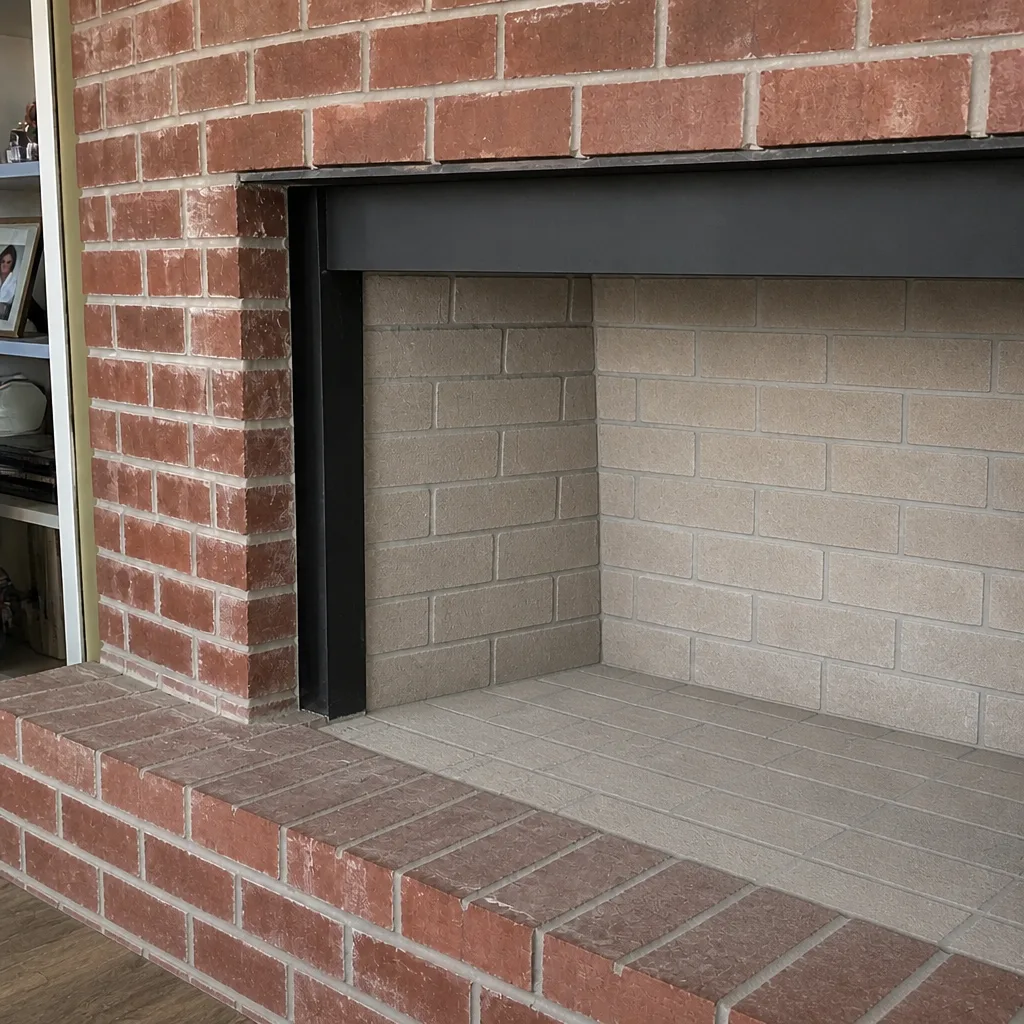
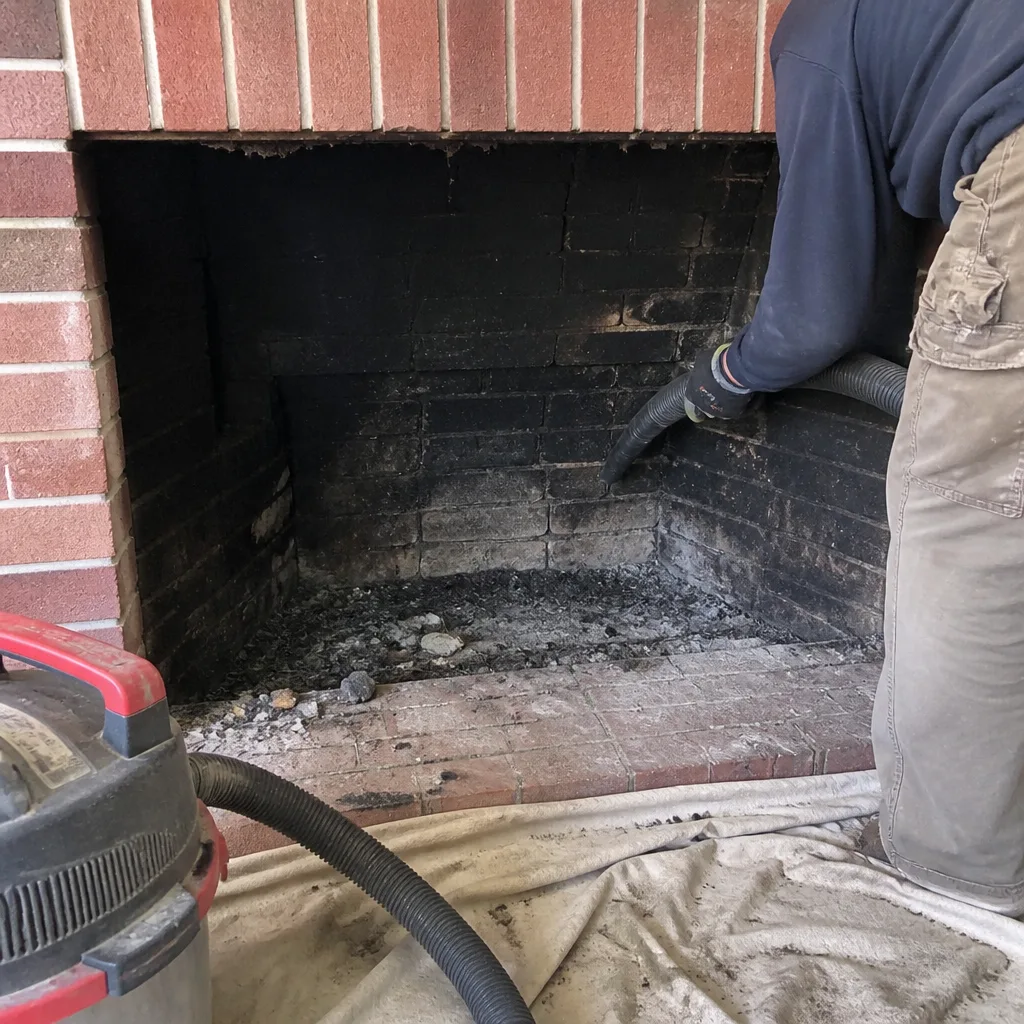
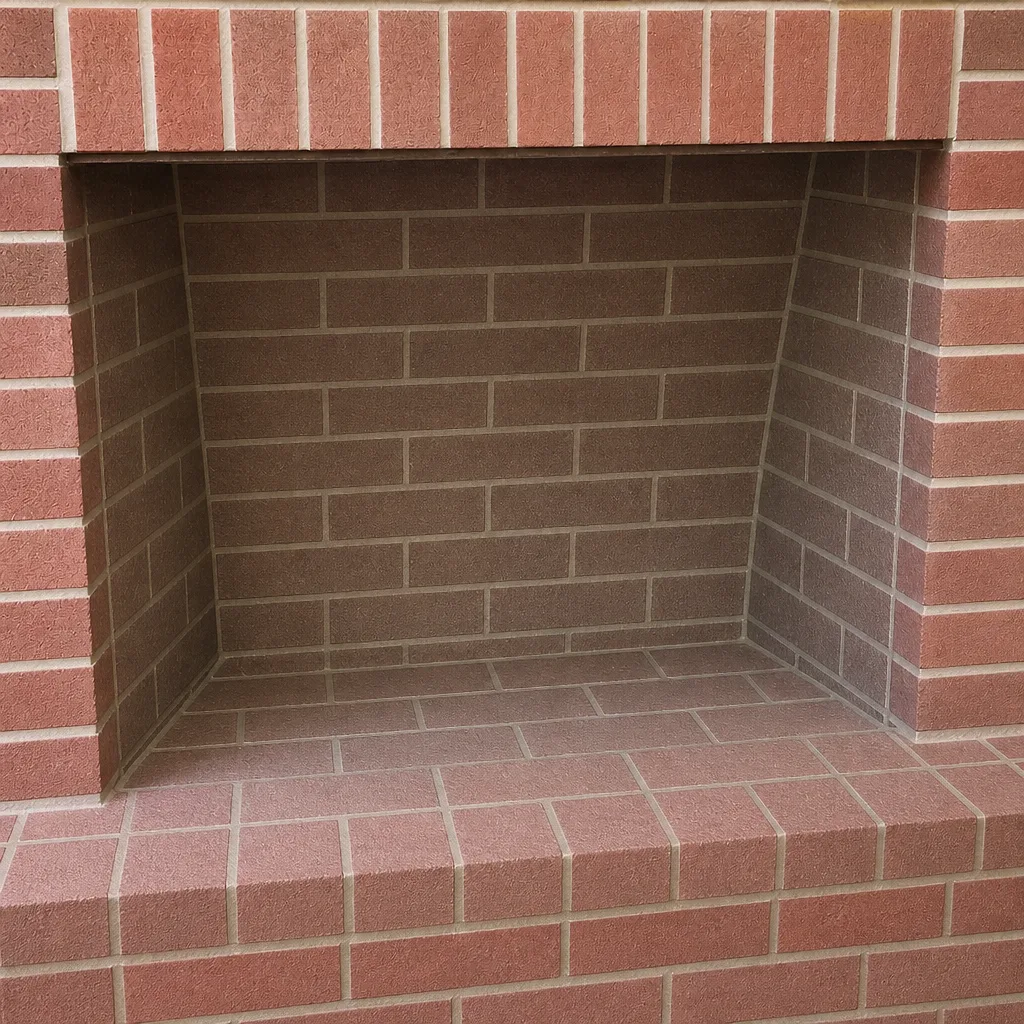
See the difference
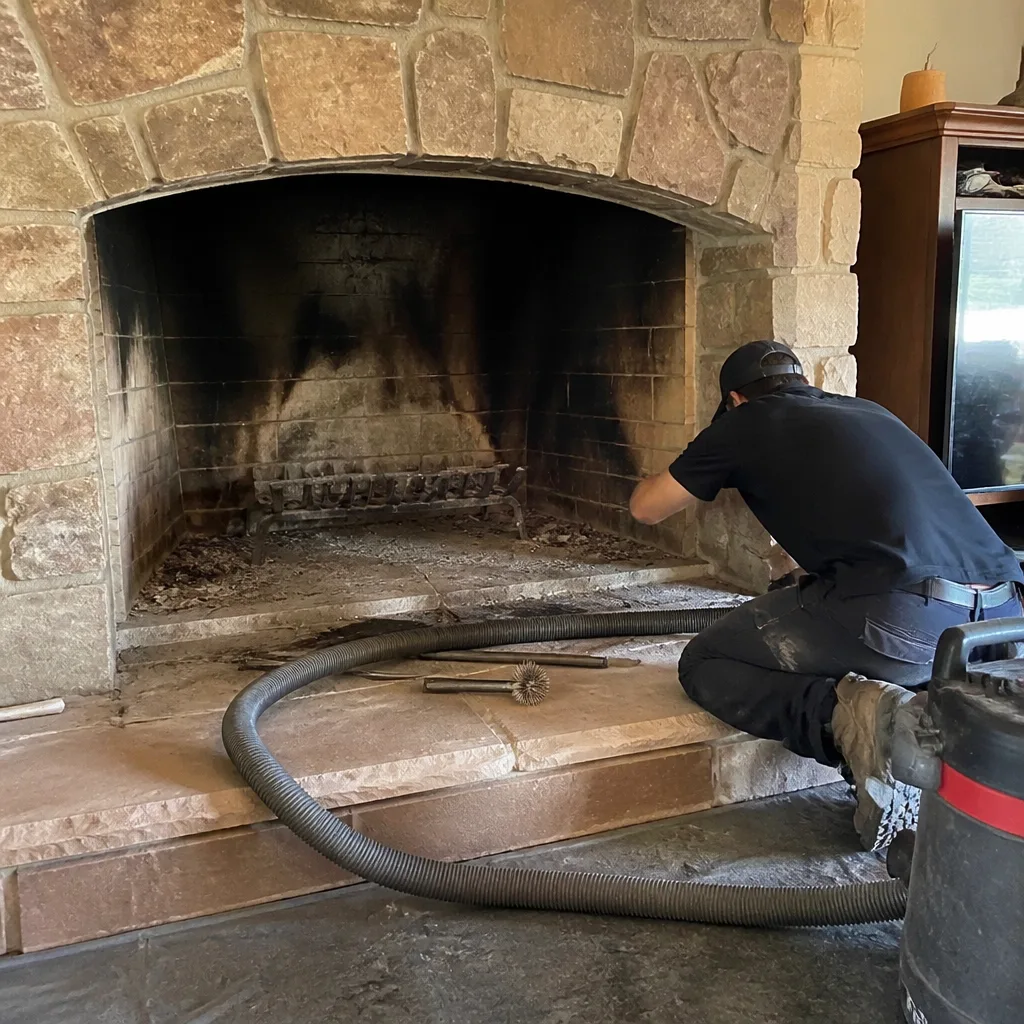 Before
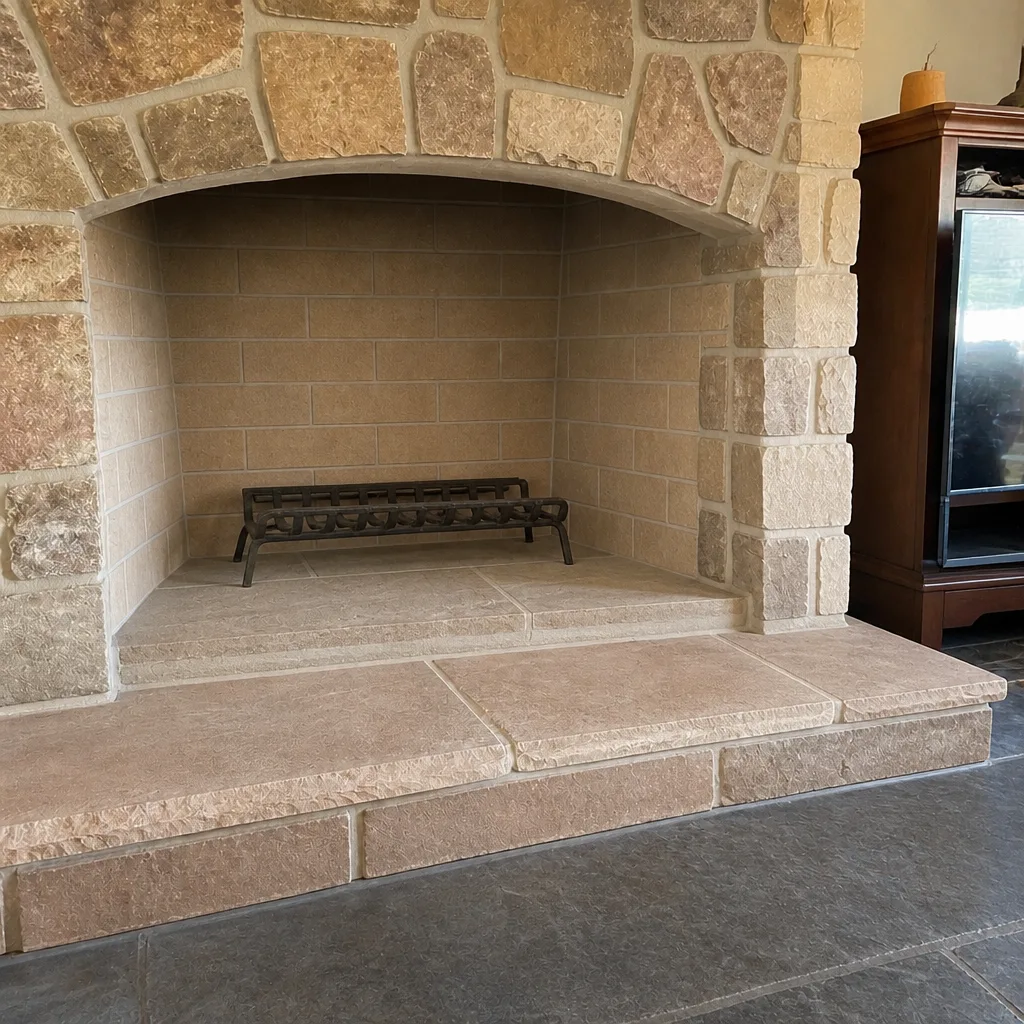 After
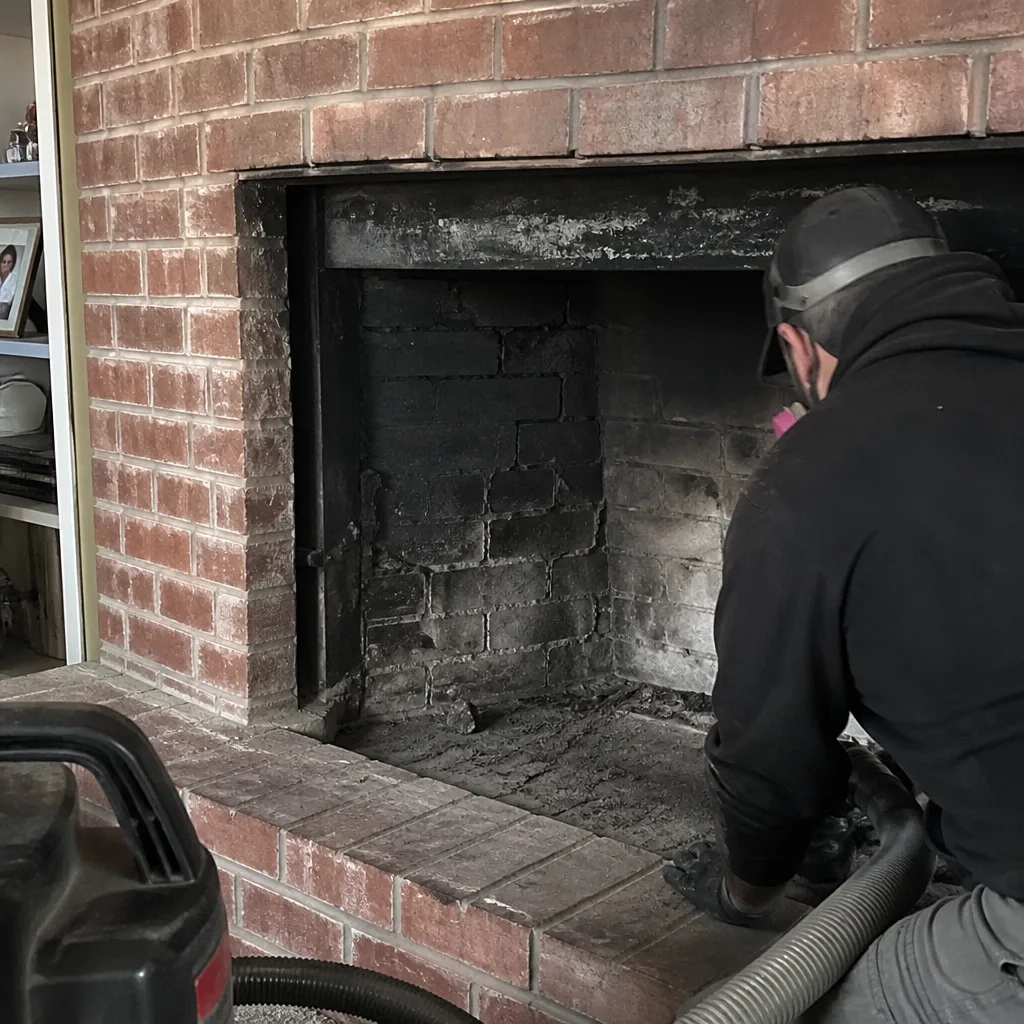 Before
 After
 Before
 After
When to Call a Professional
Call a professional if you’ve had any chimney fire, even a small one; if a CO alarm has sounded; if the fireplace smokes back into the room; if you hear scratching or fluttering in the flue; if you see soot streaks around the firebox, warped damper plates, or a cracked crown; if you’ve just moved into a Central Park home and don’t know when the chimney was last inspected; or if it’s been more than a year since the last sweep. Also call if the fireplace has sat unused for a season. The first burn of the season is the wrong time to discover a bird’s nest or a cracked tile. Chimney Sweep Central Park offers free estimates in Central Park. Call (855) 550-7509 and we’ll schedule the inspection and tell you what we found before you approve any repair. We’re a Chimney Sweep Central Park company with a full-service scope, so sweeping, inspection, repair, and cap and crown installation all go through one contractor.
Frequently Asked Questions
A Level 1 chimney inspection in Central Park typically runs $100 to $250, and a Level 2 inspection with a camera scan typically runs $200 to $500. The written estimate we give you sets the final price, and the estimate itself is free. Call (855) 550-7509 for an exact quote. We answer 24/7. Fast dispatch from 7am to 7pm, Sunday through Friday.
A slow-burn chimney fire usually shows up as a faint chemical smell after a fire, crown discoloration visible from the ground, or puffy, honeycombed creosote found inside the flue. A camera inspection is how you confirm it. If you suspect a slow burn, shut down the fireplace and book a Level 2 inspection before burning again. Call (855) 550-7509 for an exact quote – estimates are free.
No. NFPA 211 requires a Level 2 inspection after any chimney fire before the appliance is used again. The fire department clears the building, not the flue, and only a camera scan can confirm the liner is intact. A chimney fire warps metal and cracks clay tile without any visible sign from inside the room. Call (855) 550-7509 to schedule the inspection, and if a DuraFlex liner system or HeatShield resurfacing is needed, we’ll show you the footage before recommending either.
Get everyone outside and call 911, even if the fireplace is cold. A CO reading means something in the system is leaking or blocked, and the source could be the water heater, furnace, or another appliance sharing the chimney. Do not re-enter until the fire department clears the building. Once they do, book a chimney inspection before using any combustion appliance again.
Once a year for most homes, and twice per season for homes that burn wood daily through the winter. The NFPA recommends annual sweeping and inspection, and Central Park’s long burning season means creosote accumulates faster than in milder climates. If you burn frequently, check the flue in January and book a mid-season sweep if there’s any visible buildup. Call (855) 550-7509 for an exact quote – estimates are free.
Creosote builds up in the flue, cracked tiles and failing liners go unnoticed, and animal blockages sit undetected until they cause a fire, a CO alarm, or a smoke-back. The inspection is the cheapest part of chimney ownership and the one that prevents the expensive repairs. A blocked or damaged flue can turn a normal fire into an emergency in a single evening. Call (855) 550-7509 to book a sweep and inspection in one visit. We answer 24/7. Fast dispatch from 7am to 7pm, Sunday through Friday.
The Bottom Line
Chimney emergencies come down to three scenarios that need immediate action – fire, carbon monoxide, and blockage – and everything else can wait for a scheduled appointment. Know the quiet signs of a slow-burn chimney fire. Know where the CO alarms are and test them monthly. Fill out a pre-season emergency sheet and keep it near the fireplace. Book the sweep and inspection in the fall, not after the first cold snap. After any fire, get the Level 2 inspection. And if something feels off about your chimney, don’t burn through it. Call (855) 550-7509. We answer 24/7. Fast dispatch from 7am to 7pm, Sunday through Friday. The estimate is free, and we document every inspection so you see exactly what we see.
Written by the team at Chimney Sweep Central Park.