
Last updated November 24, 2026
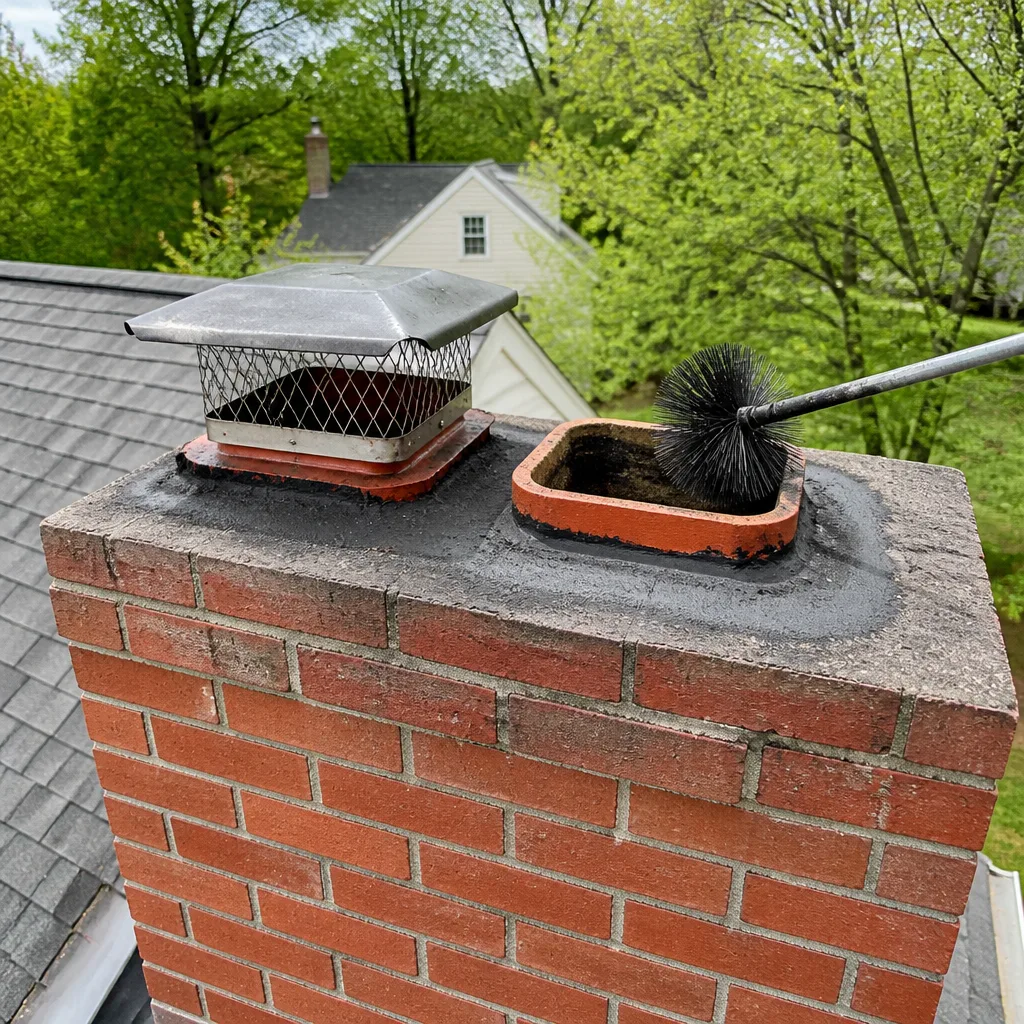 Sweep & inspection
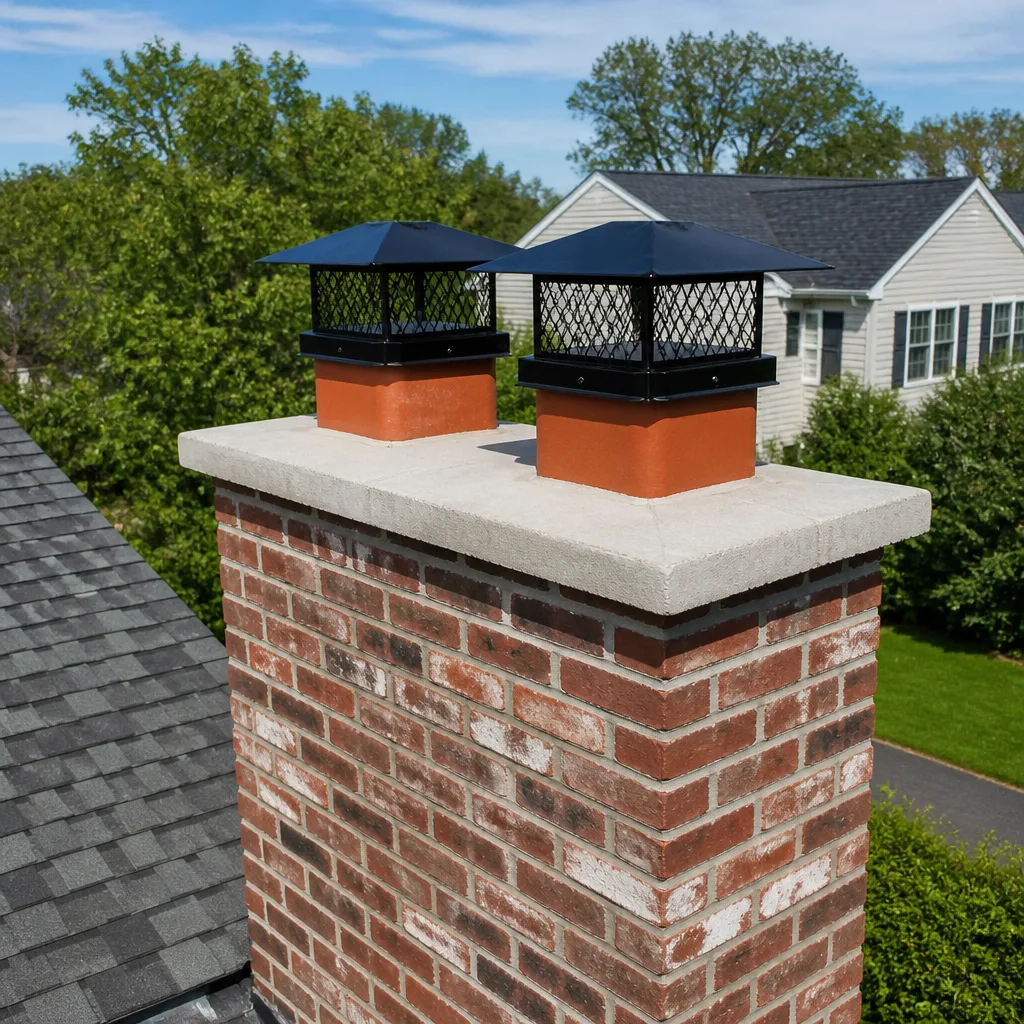 Caps & crowns
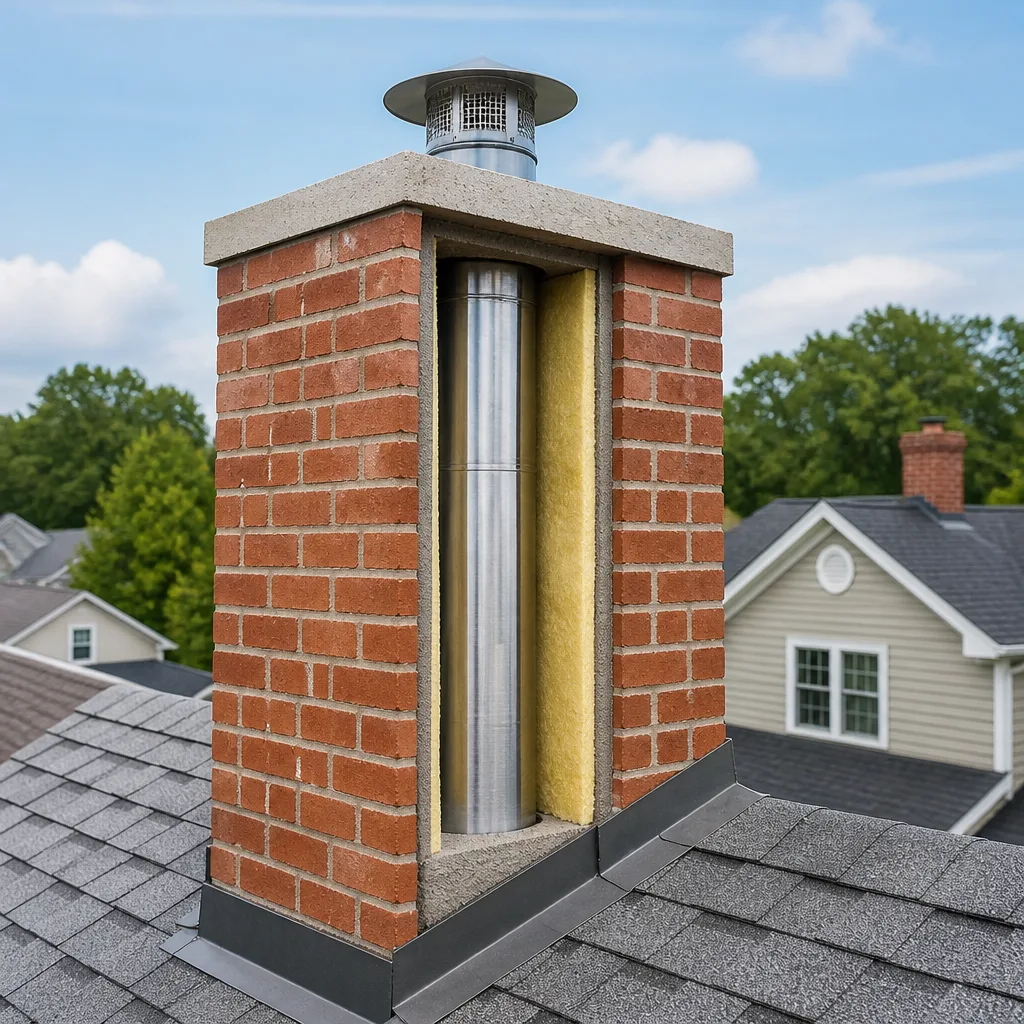 Flue relining
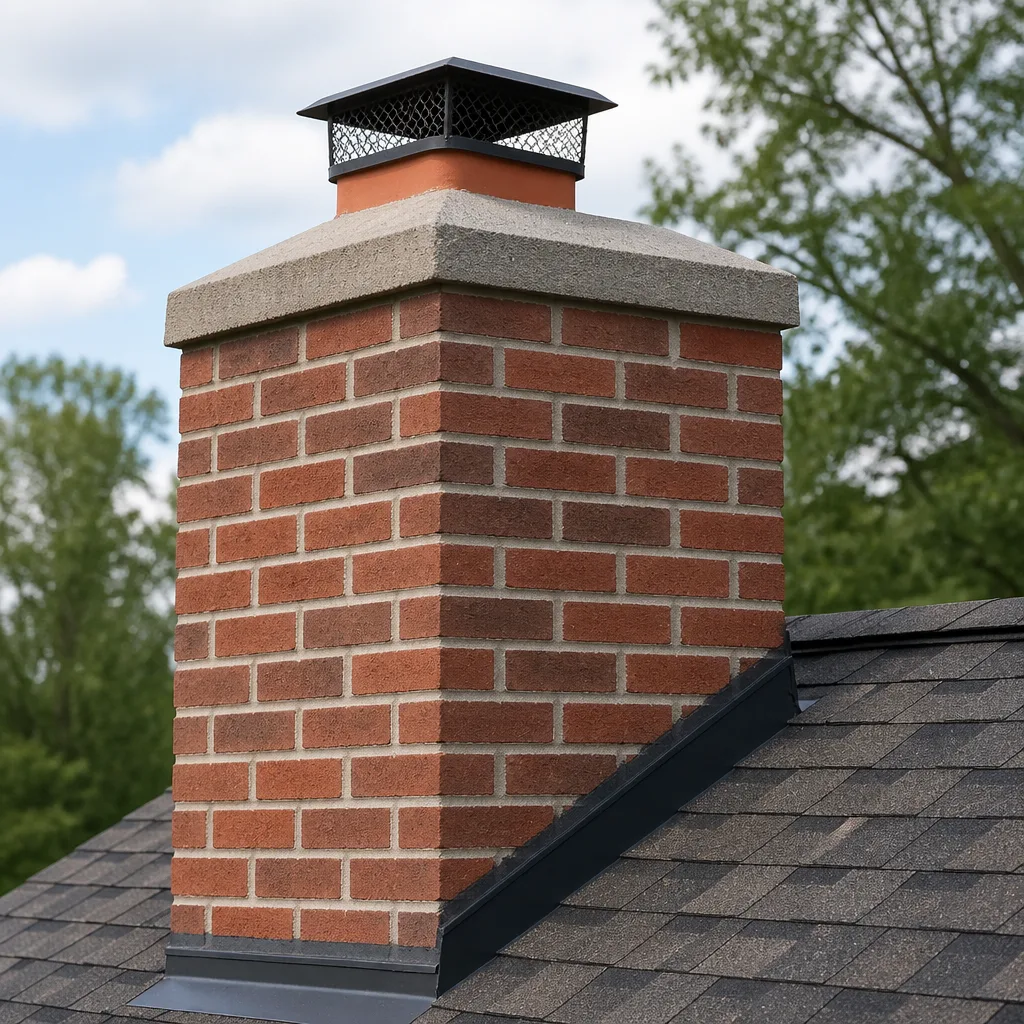 Masonry repair
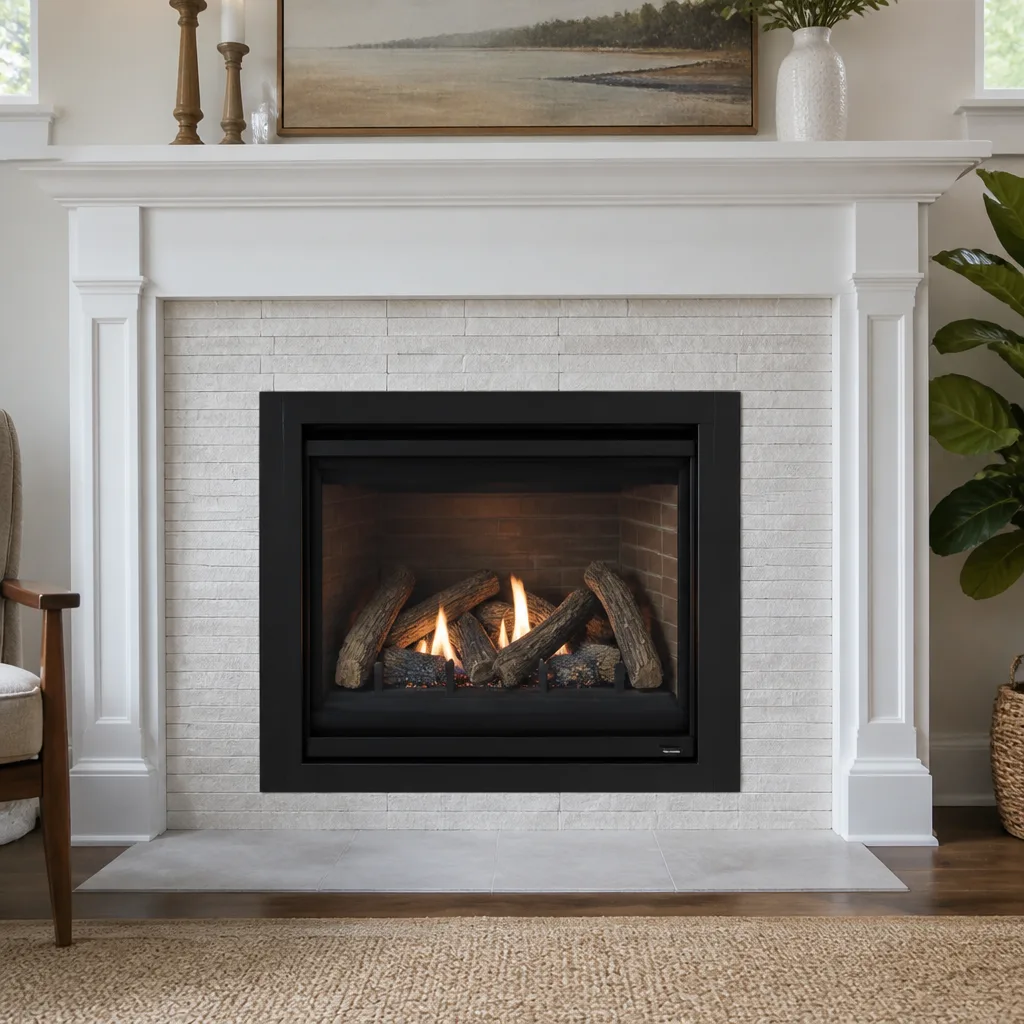 Gas fireplace service
Level 1 sweep and inspection to the NFPA 211 annual standard - flue, crown, cap, and flashing checked and photographed
Chimney sweep logs do not sweep chimneys. They loosen some creosote - which then falls where a brush and vacuum still have to collect it.
Chimney Sweep Maintenance Checklist for Central Park Homeowners
Most chimney checklists online start with the cap and crown, and that’s part of why so many Central Park chimneys develop the same avoidable problems. The smoke shelf – the flat ledge just above the damper – traps creosote flakes, ash, and nesting material more heavily than nearly any other part of the system, and it’s on almost no homeowner checklist you’ll find. It sits out of sight, so it gets ignored until a flue draft weakens or a rain cap starts holding water. This guide organizes maintenance by component instead of by season, so you can use it any month of the year. You’ll learn what to check yourself, what needs a technician with a camera, and how to keep a record that follows the property.
Quick Answer
A chimney maintenance checklist for a Central Park home should cover seven components: firebox interior, smoke shelf, damper function and seal, flue liner, crown, cap and screen, and exterior masonry. You can safely look at a few of these from the firebox opening, but proper checks of the flue liner, crown, and masonry need a trained technician with camera equipment. The cadence to remember: a professional sweep and inspection once a year if you burn wood regularly, plus a visual self-check before each burning season.
Styles & brands we work with
- Sweep & inspection
- Caps & crowns
- Flue relining
- Masonry repair
- Gas fireplace service
Table of Contents
- The Component-by-Component Checklist
- Firebox, Damper, and Smoke Shelf: What You Can See Yourself
- Flue Liner Condition and How It Fails
- Crown, Cap, and Screen
- Exterior Masonry and Freeze-Thaw Cycles in Central Park
- Self-Inspect vs. Professional Inspection
- Professional-Grade Materials to Look For in Repairs
- Building a Maintenance Log for Your Central Park Home
The Component-by-Component Checklist
Most chimney guides sort tasks by season, which sounds tidy but doesn’t match how failure actually shows up. In Central Park, the first sign of trouble usually appears in a specific component – a sticky damper plate, a hairline crown crack, a crumbling mortar joint – rather than at a specific month. Working through the checklist by component means you fix the part that’s failing instead of waiting for a season.
Walk through this list once fully, then return to the components that carry the most risk in your particular furnace and climate exposure.
- Firebox interior. Look for cracked firebrick, separating mortar joints, and loose pieces along the back wall and floor.
- Smoke shelf. Check for debris accumulation and moisture staining on the ledge above the damper.
- Damper function and seal. Open and close it fully; it should move smoothly and close flush with no gap or rust binding.
- Flue liner. Confirm the liner is undamaged, continuous, and the correct type for your appliance. Requires a professional camera inspection.
- Crown. Inspect the concrete top for cracks, spalling, or separation where it meets the flue.
- Cap and screen. Verify the cap fits securely, the screen is intact, and there’s no rust-through or missing fasteners.
- Exterior masonry. Look for deteriorating mortar joints, shifting bricks, and efflorescence on the stack.
That’s the full-system view. A clean flue is only the starting point – a safe, structurally sound chimney that drafts correctly and sheds water is the actual goal. Our chimney sweep service covers the flue, but the checklist above is what a full assessment of the system looks like.
Firebox, Damper, and Smoke Shelf: What You Can See Yourself
Three components sit close enough to the firebox opening that a homeowner can safely look at them without climbing or reaching into the flue: the firebox interior, the damper, and the smoke shelf. You should never reach an arm up the flue or tip your head into the chimney box to inspect further – the creosote and staging surfaces inside are exactly where injuries happen. But a flashlight and a slow, careful look from the opening is a reasonable self-check.
- Firebox. Cracked firebrick that lets heat reach the masonry behind it is a real fire risk. Look for thin cracks versus structural breaks, and check that the mortar joints between bricks aren’t recessed.
- Damper. The plate should open fully and close flat. In Central Park, humidity swings and cold temperature cycles are hard on a steel damper plate – rusted hinges and plates that no longer seat flush are one of the most common findings. A damper that won’t fully close lets heated room air escape up the flue year-round.
- Smoke shelf. Shine a light onto the horizontal ledge above the damper. If creosote flakes, ash, or dried debris are piled there, that material is one gust of warm air away from dropping into the firebox. The smoke shelf also collects condensation, so dark staining on the shelf often points to a moisture problem higher up.
Anything you find that goes beyond a surface look – loose brick, a liner you can’t see clearly, water staining on the smoke shelf – is a reason to book an inspection rather than a reason to keep digging. Documented inspections are how we tell you precisely what’s wrong instead of guessing.
Flue Liner Condition and How It Fails
The flue liner is the most safety-critical component in the whole chimney, and it’s the one you can’t assess by eye from below. The liner’s job is to contain hot gases and creosote as they rise, keeping heat away from the surrounding structure. A liner with cracks, gaps, or missing sections is the condition that lets a chimney fire or carbon monoxide escape into the home. This is precisely why a camera inspection matters.
Three failure patterns are common in Central Park homes:
- Clay tile cracking. Clay tile liners develop hairline cracks and, over time, offset joints. Freeze-thaw movement on the stack contributes to this.
- Corroded or damaged steel liners. Older steel liners can rust through at joints or collapse where they’ve come loose from the flue. This is a lining failure, not a sweep problem.
- Unlined flues. A flue with no liner at all is a fire hazard in a wood-burning fireplace. Repairing an unlined or damaged flue isn’t a cleaning job – it requires a liner system.
When a liner is compromised, we can restore it rather than simply report the problem. HeatShield ceramic resurfacing rebuilds the flue’s inner surface where the tile is repairable, and a DuraFlex liner system is the route for flues that need full replacement. That’s the reason the liner is on this checklist at all: it’s the component most often ignored until there’s a problem, and the one with the most to lose if it’s skipped.
If your chimney was lined with clay tile years ago and now only holds a fire weakly, don’t assume a sweep will fix it. Ask for a camera inspection and a written finding. If you’re also noticing smoke rolling back into the room, fireplace repair is often where that diagnosis begins.
Crown, Cap, and Screen
The crown is the concrete or masonry top of the chimney that slopes away from the flue. Its whole purpose is to shed water off the stack and away from the masonry below. A worn crown is the most common cause of interior water staining and hidden masonry damage, and it’s easy to miss because it’s above the roofline. A chimney cap sits above the flue opening to keep out rain, debris, animals, and wind-driven material.
What a failing crown and cap look like:
- Crown cracks and spalling. Hairline cracks widen as water freezes in them. Concrete that flakes or separates from the flue is a crown that’s no longer doing its job.
- Cap corrosion. Steel caps and screens rust through in Central Park because wind drives snow, grit, and debris into the cap assembly, holding moisture against the metal. A rusted cap eventually fails at the fasteners and can come loose.
- Missing or damaged screen. A screen that’s been pushed out or rusted away invites birds, squirrels, and nesting material directly into the flue – and nesting debris in the flue is a fire hazard that a flue camera will find.
Cap and crown repairs belong with us because we use purpose-built chimney hardware rather than improvised fixes. Gelco crown components and Famco caps and accessories are made for this job specifically, so the repair holds through the next temperature swing. Our chimney cap & crown service covers installation and replacement, and the technician will show you photos of the crown condition before any work is agreed. Water intrusion is one of those problems where the evidence should be in your hands.
Exterior Masonry and Freeze-Thaw Cycles in Central Park
Central Park’s climate runs cold enough in winter that moisture inside masonry goes through a freeze-thaw cycle repeatedly. Water absorbs into a mortar joint or a hairline brick crack, freezes, expands, and pushes the joint open a little more. Repeat that across a season and you get the familiar sight of a chimney with receding mortar and loosening brick – a slow failure that accelerates every year it’s left alone. That’s why exterior masonry is a checklist item for Central Park homes specifically, not just a cosmetic concern.
Walk the outside of the stack with a pair of binoculars or from a safe ground-level vantage point and look for these signs:
- Mortar joints that are recessed, sandy, or missing between bricks.
- Bricks that are spalling, flaking, or have shifted out of line.
- White efflorescence staining (salts left behind by moisture moving through the brick).
- A stack that leans, pulls away from the roof, or has a visible gap where it meets the roof flashing.
Crumbling mortar joints in Central Park are the most frequent masonry repair we see, and repointing them promptly is far cheaper than replacing the brick courses once the freeze-thaw damage reaches deeper. Never climb onto a steep or pitched roof to check the stack yourself; height work on a roof is a job for a technician with the right equipment. Ground-level looks and a professional inspection give you the same information without the danger.
Self-Inspect vs. Professional Inspection
Knowing where your safe self-checks end and professional territory begins protects both your chimney and your safety. Roughly, you can do the visible, reachable checks from the firebox opening and from indoors. Everything at height or inside the flue requires a professional.
What a homeowner can safely check
- Firebox firebrick and mortar joints at eye level.
- Damper operation – open and close it fully by hand.
- Visible surface of the smoke shelf with a flashlight.
- From the ground or a safe window: the crown, cap, and exterior stack condition with binoculars.
What needs a professional with camera equipment
- Flue liner integrity, cracks, offsets, and gaps between tile sections.
- The upper smoke shelf area and staging surfaces reachable only through the flue.
- Crown and cap condition up close, including the flue-to-cap seal.
- Creosote depth and type – the difference between light soot and glazed third-degree creosote determines whether a sweep is enough or a liner assessment is needed.
- Moisture and structural findings in the masonry that a camera and a trained eye can confirm.
The practical rule: if you’re reaching for a ladder, a chimney brush, or a flashlight that requires you to lean into the flue, stop and book the inspection. A professional inspection documents what’s found with a report and photos. Ask us what we found – we document every inspection so you have evidence, not just a verbal opinion.
Professional-Grade Materials to Look For in Repairs
When a repair does need to happen, the line between a lasting fix and one that fails next winter usually comes down to the materials. It’s worth asking any contractor which brand and product they’re using and why. Industry-recognized brands cost more for a reason, and a quote that names them is a signal the repair is being done to a standard rather than improvised.
What proper repairs in a Central Park chimney typically use:
- Liner systems: DuraFlex and Olympia Chimney liner systems for flues that need a continuous, appropriately sized liner where the original has failed.
- Flue resurfacing: HeatShield ceramic resurfacing to rebuild a damaged flue’s inner surface where the existing tile is repairable – a specialized process well beyond a standard sweep.
- Crowns and caps: Gelco and Famco crown components and caps, made specifically for weatherproofing chimneys. These aren’t general hardware-store items.
- Masonry and mortar materials: mortar mixes formulated to match masonry and withstand freeze-thaw, not all-purpose patching compound.
- Crown and exterior sealants: flexible sealant rated for exterior chimney masonry.
Ask a contractor to name the liner manufacturer and the cap brand. If the answer is “whatever we have on the truck” or the material is unbranded hardware-store stock, that’s a repair more likely to fail. We source from DuraFlex, HeatShield, Gelco, Olympia Chimney, Famco, and Copperfield – the same professional lines used by chimney contractors across the country – because a chimney repair done with the right components is the only repair worth paying for.
Building a Maintenance Log for Your Central Park Home
A checklist becomes a property record when you write down what you find. The written record is what lets a future buyer, insurer, or technician pick up where you left off. It’s also how you spot a slow-moving problem – a crown crack that recracks every year is telling you something a single inspection wouldn’t. Keep the log with your home documents or in a simple spreadsheet, and record the following for every service and self-check.
- Date of service or check and who performed it (self-check or technician name/business).
- Component inspected – firebox, smoke shelf, damper, flue liner, crown, cap and screen, or exterior masonry.
- What was found – condition and any specific issue (surface soot, rusted damper hinge, hairline crown crack, receding mortar, etc.).
- Photos or report reference – attach the inspection report and photos if the technician provided them.
- Work performed and materials used – brand and product, plus any parts installed.
- Next check due – scheduled date or “before next burning season.”
That last line is the important one. A log with a “next check” column keeps a checklist from becoming a once-and-done event. A clean chimney is the starting point; a safe, structurally sound chimney with a documented history is the goal, and the log is how you keep both in view.
Common Mistakes to Avoid
- Skipping the smoke shelf. Most homeowners never look at the ledge above the damper, which is exactly why debris builds up there unnoticed. It’s one of the first places a camera inspection tends to find a problem.
- Assuming a cheap sweep is a full inspection. A sweep clears the flue; it doesn’t confirm the liner, crown, cap, and masonry are sound. Ask specific questions before booking, and make sure you get a documented report, not just a verbal “looks fine.”
- Repointing mortar with the wrong mix. In Central Park’s freeze-thaw climate, patching a joint with an incompatible mortar causes the brick around it to spall. Match the mortar to the existing masonry, and let the joints cure correctly.
- Ignoring a rusted damper. A damper that won’t close right lets heat leak up the flue all year and makes it harder to control a fire. It’s a small fix made worse by waiting.
- Storing firewood against the chimney. Stacked wood holds moisture against the masonry and adds a combustible fuel source right next to the firebox. Keep wood away from the chimney and never store it in the firebox.
- Burning unseasoned wood. Wet wood deposits more creosote, which means a heavier cleaning load and a higher fire risk. Burn dry, seasoned wood and schedule a professional sweep once a year if you burn regularly.
- Delaying visible exterior repairs. A crack in the crown or a crumbling mortar joint looks minor in the dry months but accelerates through a Central Park winter. Address visible damage before the cold sets in, not after.
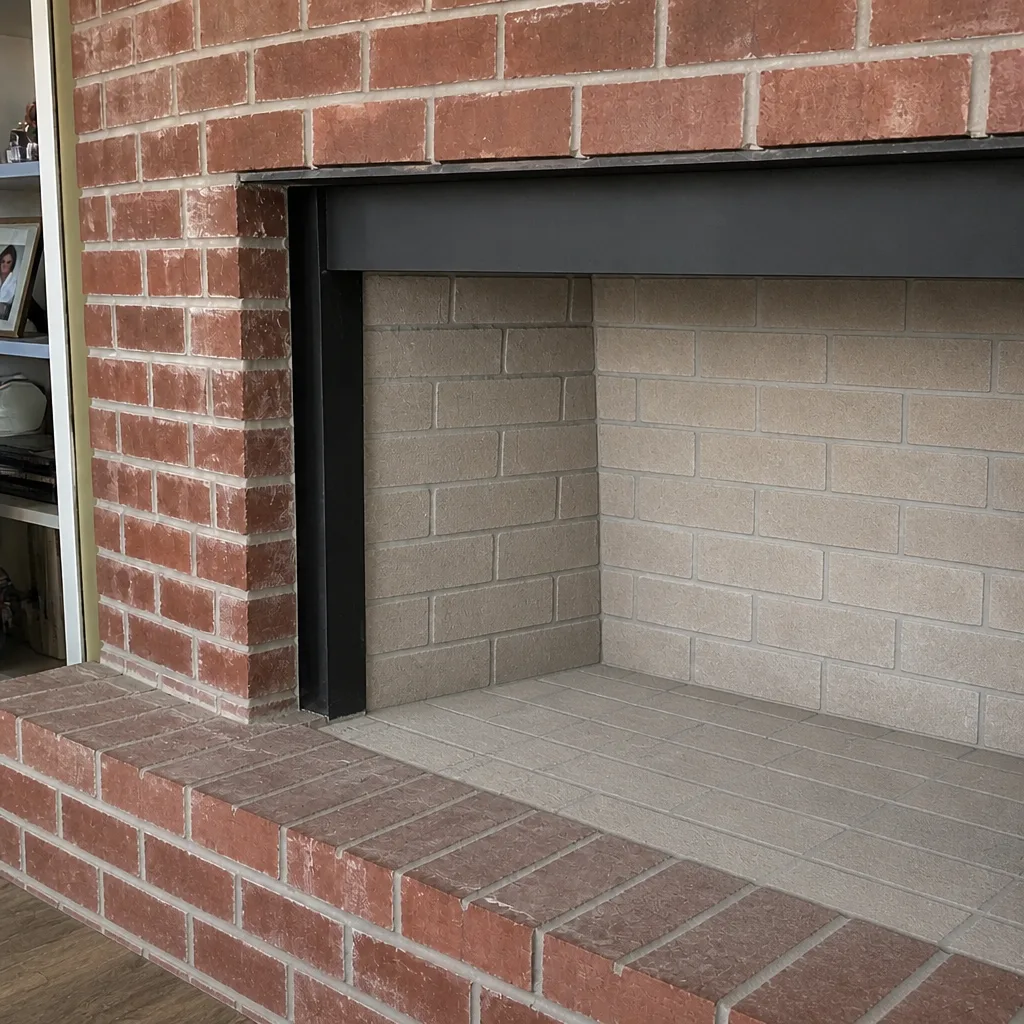
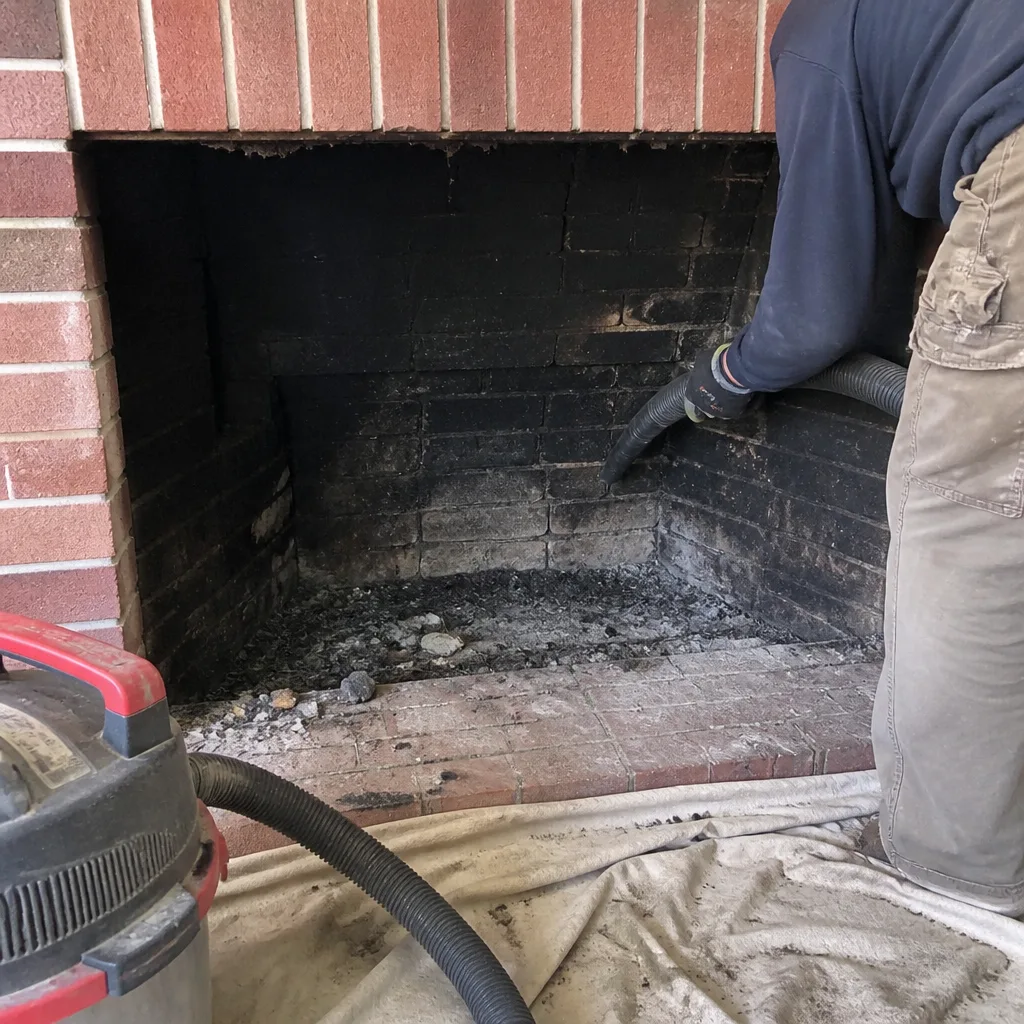
See the difference
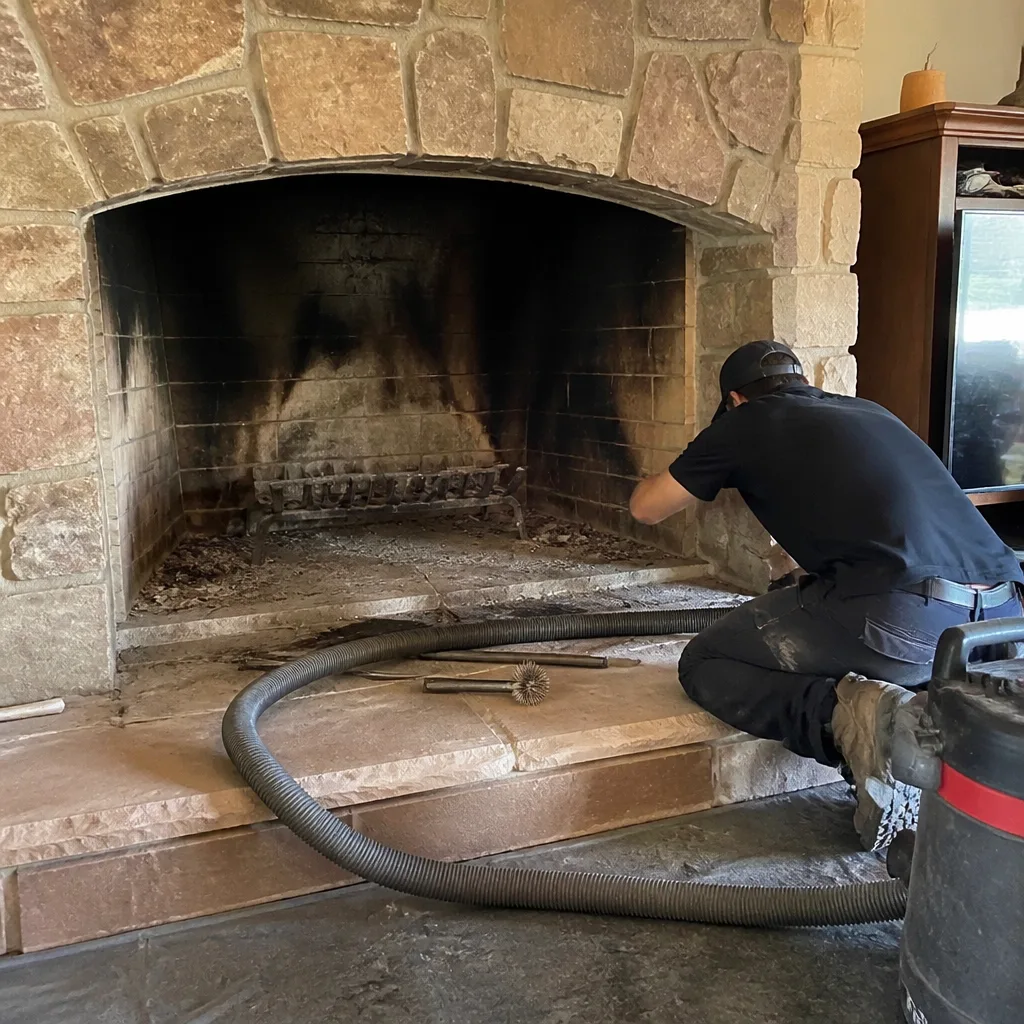 Before
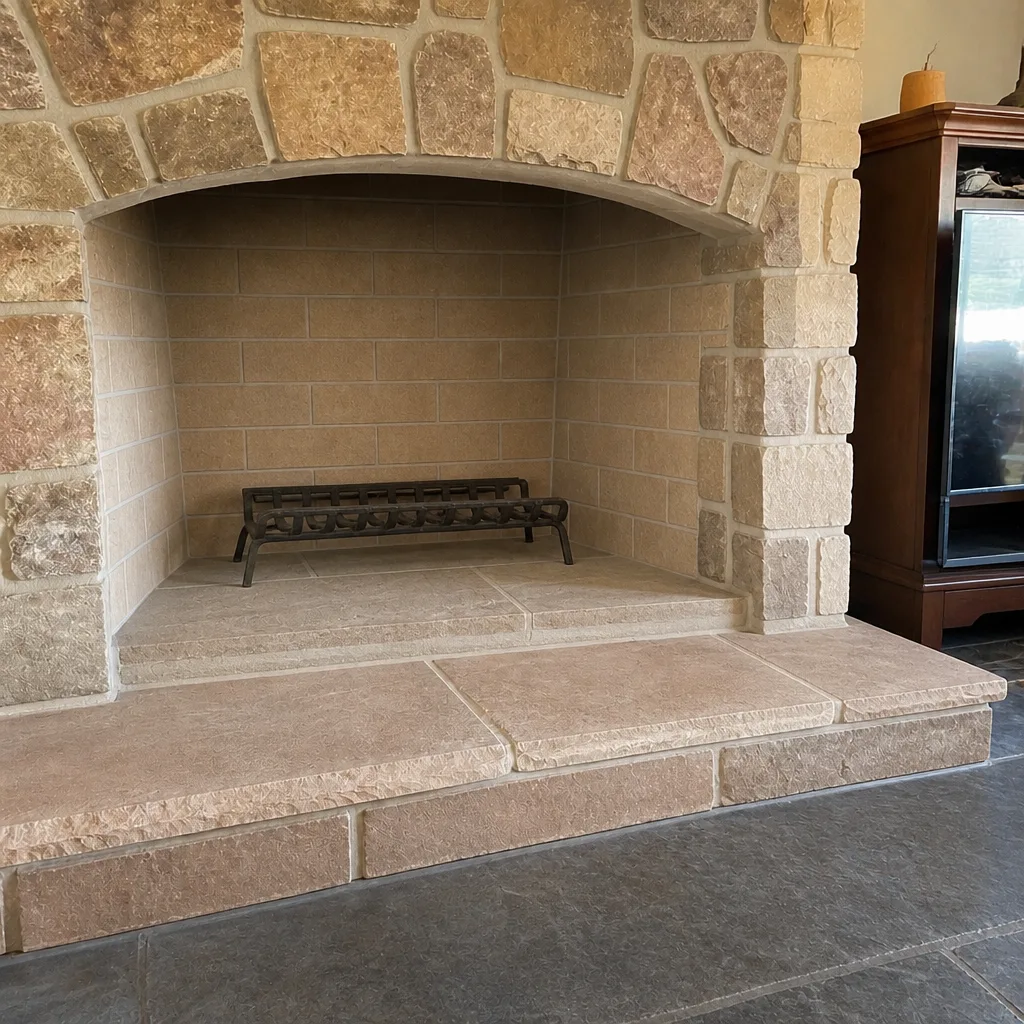 After
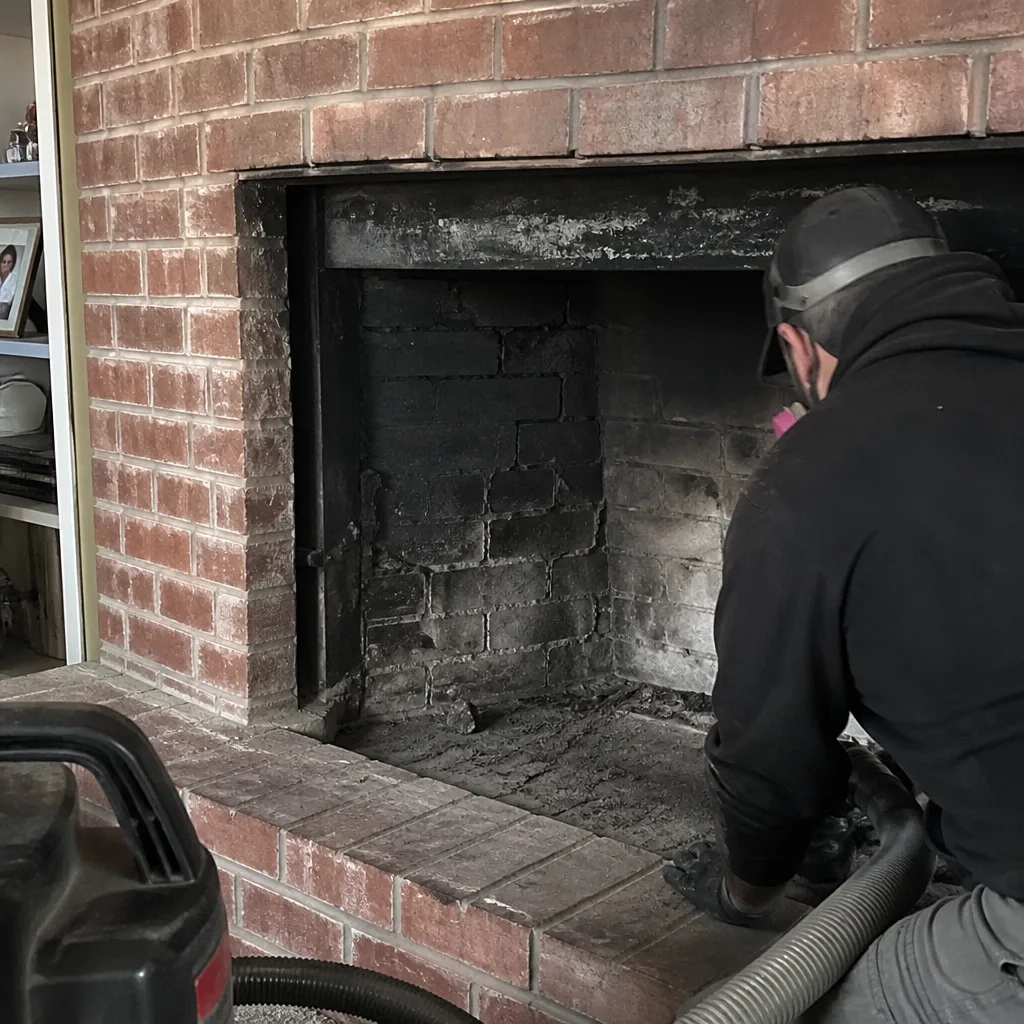 Before
 After
 Before
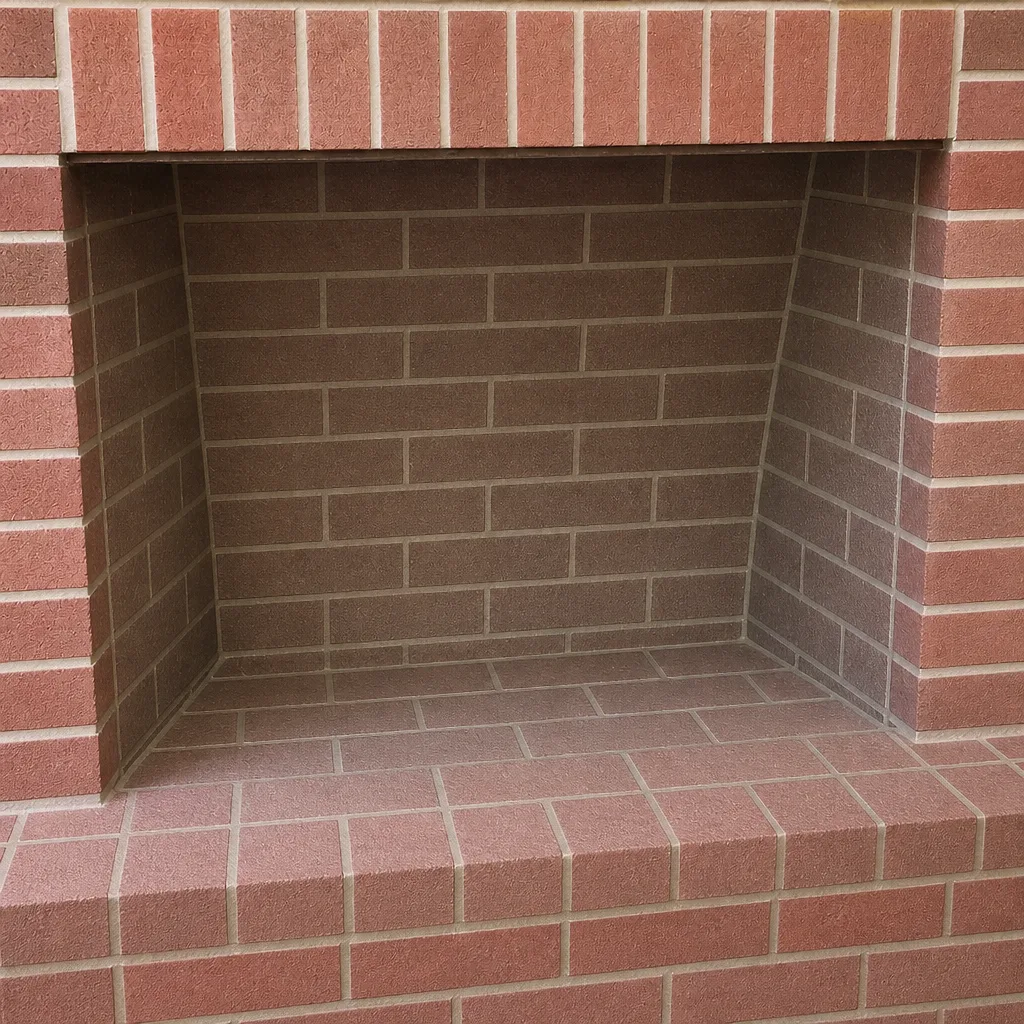 After
When to Call a Professional
Some situations don’t call for a self-check – they call for a technician. Call us if smoke rolls into the room when you light a fire, if you smell creosote or a smoky odor in the house when nothing’s burning, or if the damper won’t seat or move freely. Water staining on the ceiling near the chimney or on the firebox floor points to a crown or flashing problem that needs hands-on assessment. Any visible crack in the liner, loose firebrick, or damaged cap is a reason to book an inspection before you burn again. If you’ve never had a documented inspection on a wood-burning chimney, that’s enough reason on its own.
Chimney Sweep Central Park offers free estimates in Central Park – call (855) 550-7509. We answer 24/7. Fast dispatch from 7am to 7pm, Sunday through Friday, closed Saturday. From the firebox floor to the chimney cap, we inspect it, explain it, and fix it right the first time.
Frequently Asked Questions
If you use a wood-burning fireplace regularly, have it swept and inspected once a year. The standard rule of thumb is an annual inspection regardless of use, plus a cleaning whenever creosote buildup reaches a point that needs removing. Central Park homes that burn through the cold months should treat the sweep as part of the pre-season routine. Call (855) 550-7509 to book a sweep and inspection; estimates are free.
A sweep is enough only when the liner is intact – a damaged or unlined flue needs a liner repair, not just cleaning. A camera inspection is the only way to know which situation you’re in, and the report should show you the evidence, not just tell you the verdict. If the liner is cracked, offset, or missing, HeatShield resurfacing or a DuraFlex liner system is the fix. Call (855) 550-7509 for an exact quote on a liner assessment.
Skipped maintenance lets creosote accumulate to a level that can fuel a chimney fire and lets small cracks in the liner, crown, or masonry grow into bigger, costlier repairs. The failure starts quietly: a hairline crown crack, a rusted damper hinge, a slow mortar joint. Because Central Park winters layer freeze-thaw cycles on top of those small flaws, problems get worse through the cold season rather than sitting still. Call (855) 550-7509 to get a documented inspection before the next burning season.
You can look at the firebox, damper, and smoke shelf from the opening, but you shouldn’t sweep or reach inside the flue yourself – creosote exposure, staging heights, and hidden liner damage make it a job for a technician with camera equipment. A homeowner brush-and-rod setup also can’t confirm whether the flue liner is intact, which is the part that matters most. Call (855) 550-7509 to book a professional sweep and inspection; estimates are free.
A cap is necessary for any chimney that isn’t sealed off, because it keeps out rain, wind-driven debris, birds, and nesting material. In Central Park, cap corrosion is common from wind and debris pushing moisture into the assembly, so a rusted cap should be replaced before it fails at the fasteners. We install Gelco and Famco caps built for chimney weatherproofing. Call (855) 550-7509 for an assessment; estimates are free.
A repair is worth the price when the materials are known professional-grade brands and the finding is documented with camera evidence and photos. Ask which liner or cap manufacturer is being used, and ask to see the inspection report that justifies the work. If a technician can’t tell you the brand or show you the evidence, wait on the repair and get a second look first. Call (855) 550-7509 to see a documented estimate before you commit.
The Bottom Line
Chimney maintenance in Central Park works best as a component-by-component routine rather than a seasonal one-time event. Prioritize the smoke shelf, damper, and flue liner – the three parts homeowners ignore most and that fail first. Confirm your crown, cap, and exterior masonry every year as the freeze-thaw cycle does its slow work, and log every finding so your chimney carries a history. You can safely check the firebox, damper, and smoke shelf yourself; the flue liner, crown, and masonry need a professional with a camera. And when a repair is needed, insist on brands like DuraFlex, HeatShield, and Gelco rather than whatever hardware is on hand.
Ready to get a documented assessment? Call Chimney Sweep Central Park at (855) 550-7509 for a free estimate. We answer 24/7. Fast dispatch from 7am to 7pm, Sunday through Friday, closed Saturday. See the whole system – Chimney Sweep Central Park – and let’s give your chimney the full-system care it needs.
Written by the team at Chimney Sweep Central Park.