
Last updated November 24, 2026
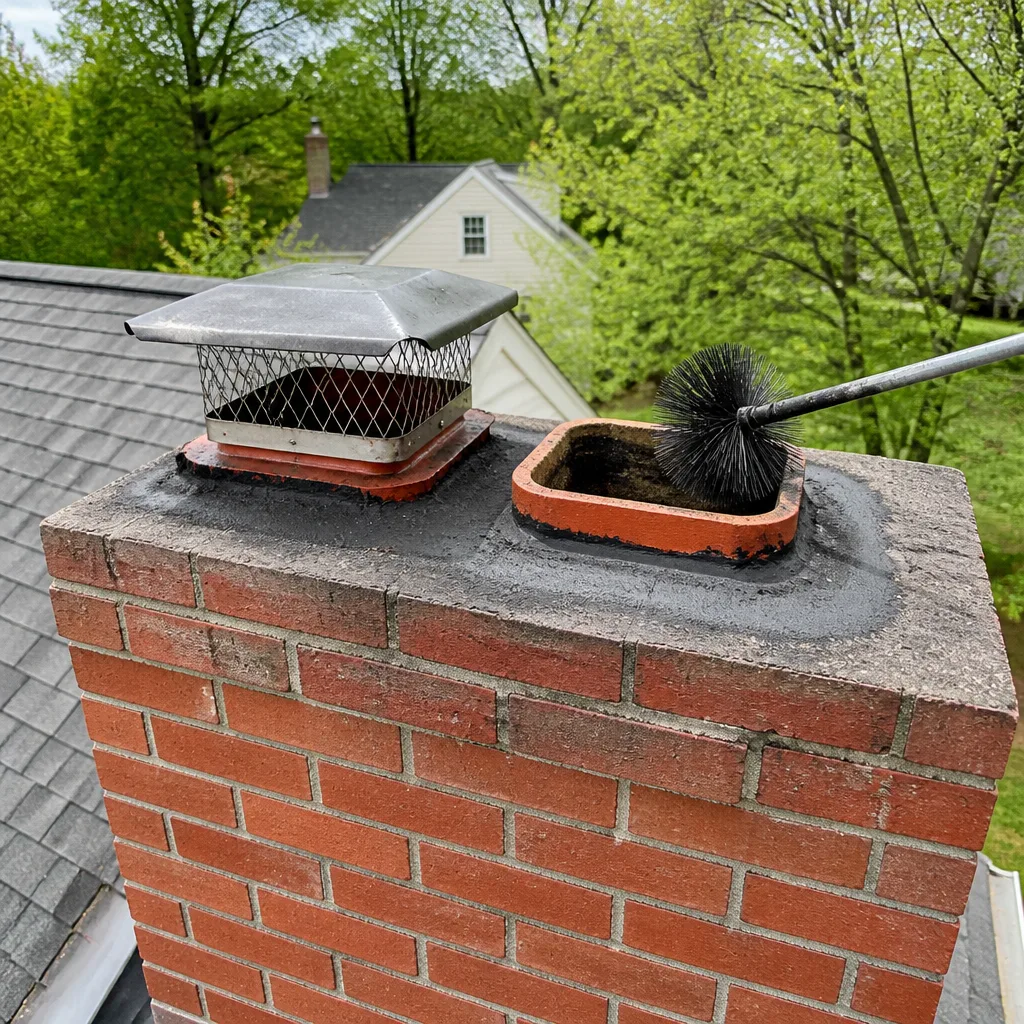 Sweep & inspection
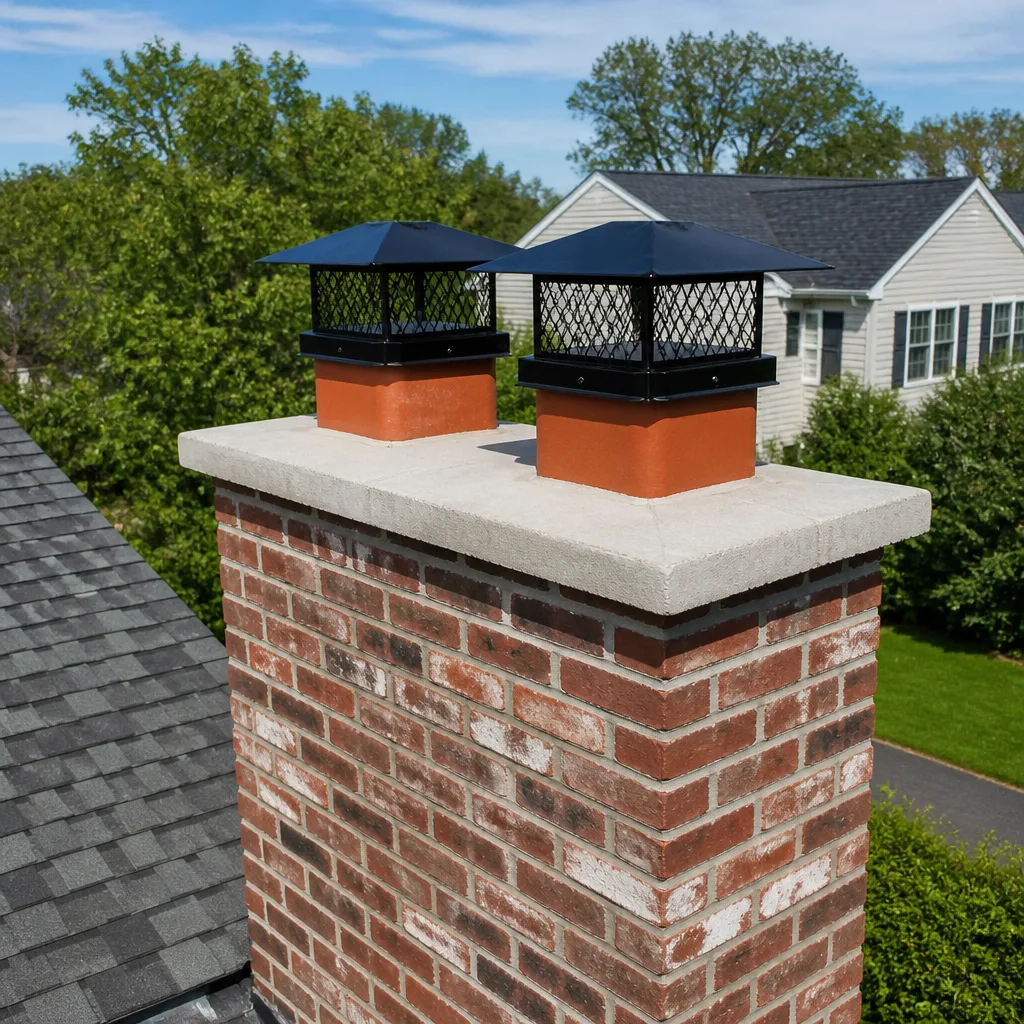 Caps & crowns
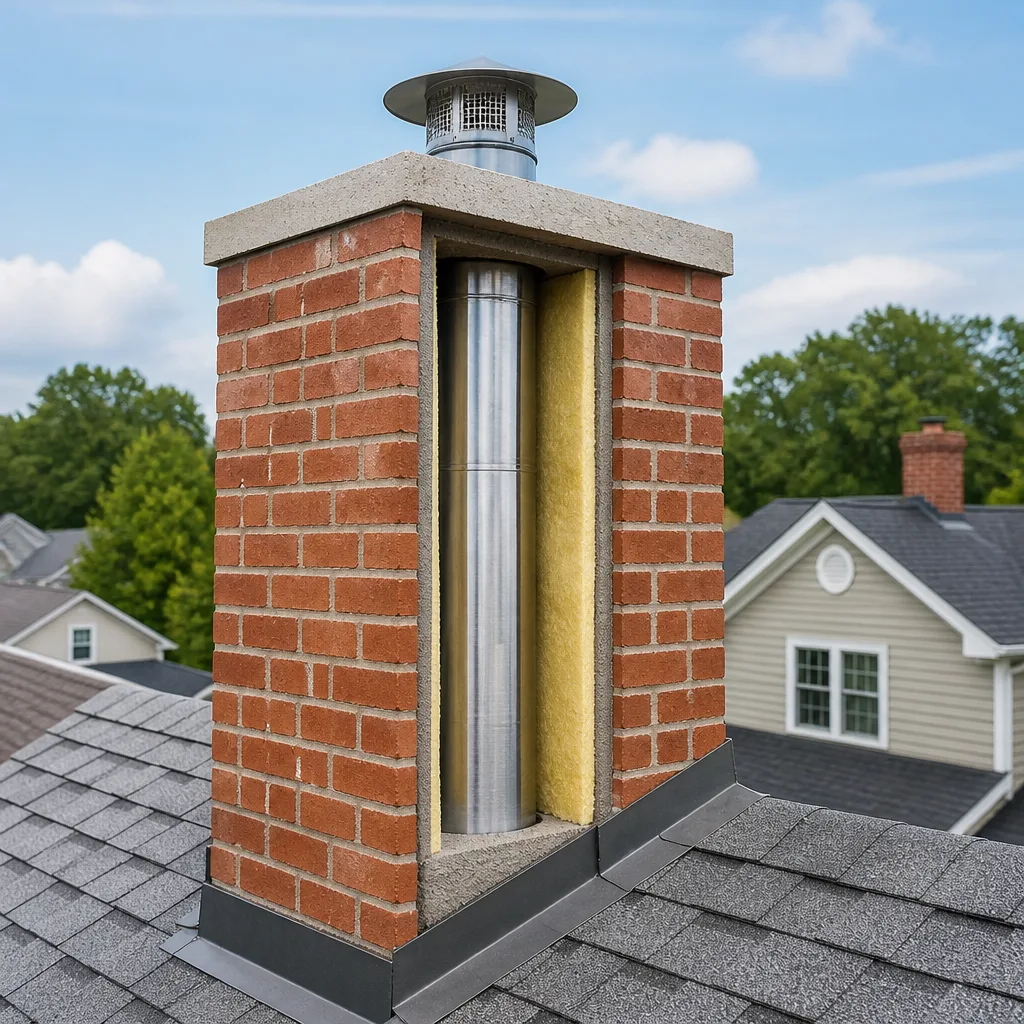 Flue relining
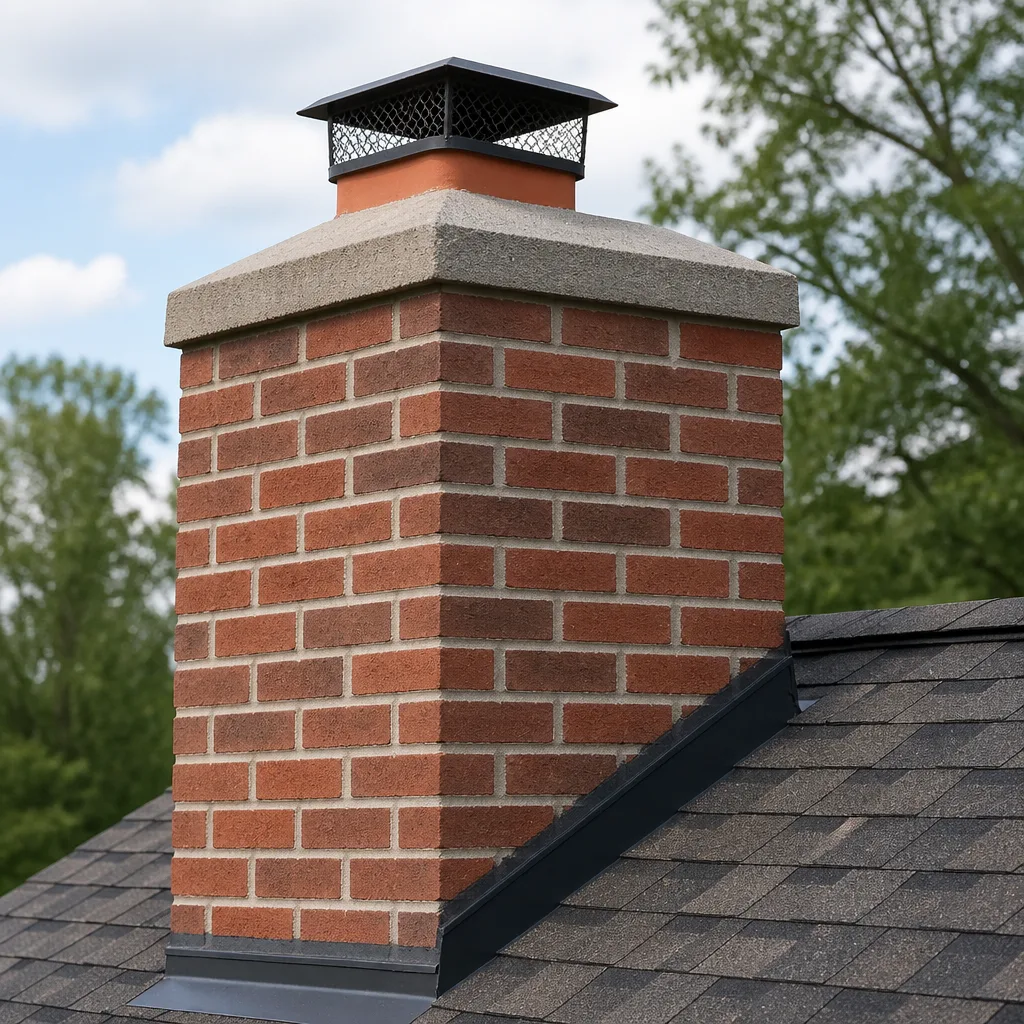 Masonry repair
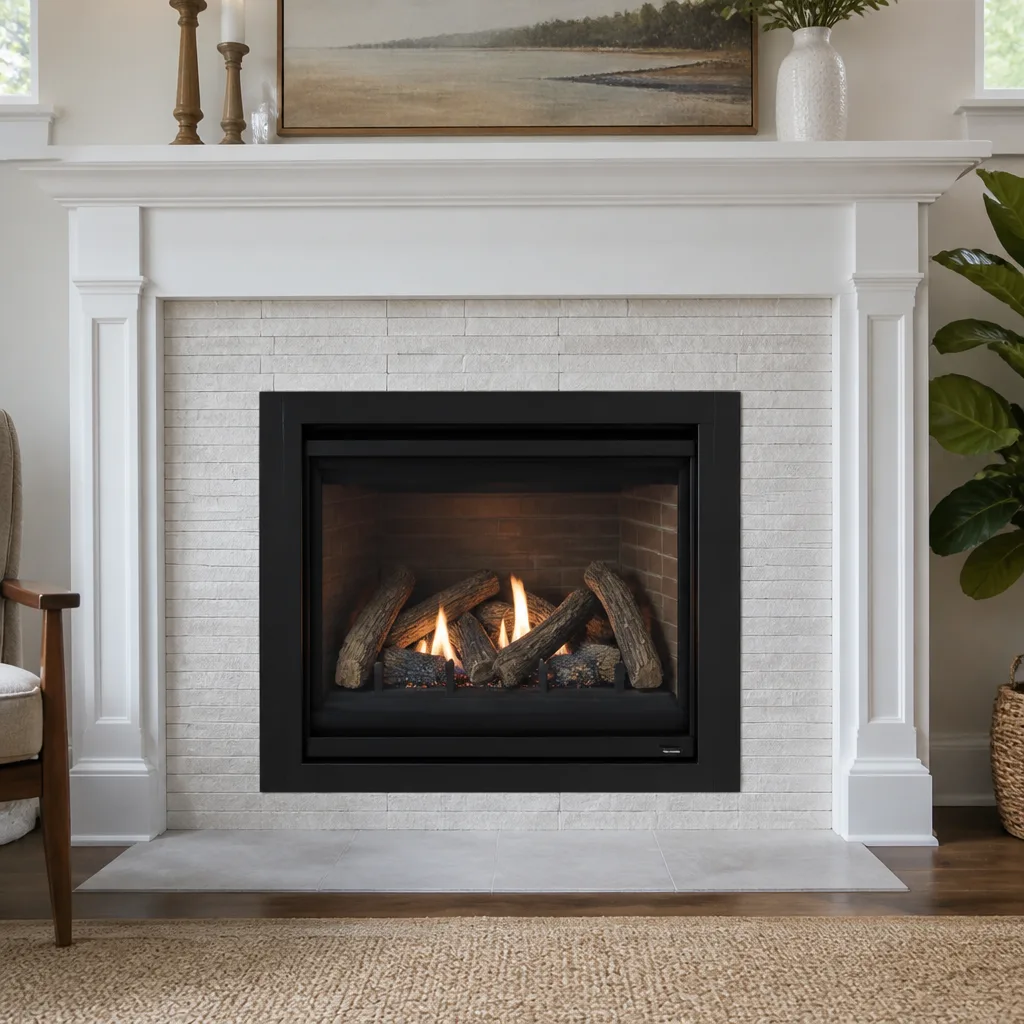 Gas fireplace service
Level 1 sweep and inspection to the NFPA 211 annual standard - flue, crown, cap, and flashing checked and photographed
Chimney sweep logs do not sweep chimneys. They loosen some creosote - which then falls where a brush and vacuum still have to collect it.
Choosing the Right Chimney Cleaning Brand: A Buyer’s Guide for Central Park
Most homeowners never learn what’s going into their chimney. A proposal says “reliner installed” or “crown sealed” and that’s the end of the conversation. The brands doing the actual work, the products that touch the inside of your flue and hold your crown together, stay unnamed. That matters more than most people realize, especially in a place like Central Park where wide temperature swings between seasons work hard on masonry and metal. In this guide we’ll walk through the professional-grade brands chimney specialists actually use, explain what each one is engineered to do, show you how to read a proposal for material specificity, and give you a script for asking good questions without turning the conversation into an interrogation.
Quick Answer
The right chimney cleaning brand isn’t a cleaning product at all. It’s the system of professional-grade materials used to clean, resurface, reline, and seal your chimney over its whole life, and in Central Park those are typically brands like HeatShield for flue and smoke chamber resurfacing, DuraFlex and Olympia Chimney for stainless liners, and Gelco or Famco for caps and crowns. Brand selection matters as much as labor quality because the wrong material for your fuel type or flue diameter shortens the life of the repair, while the right one adds decades. A proposal that names its materials is a proposal you can hold accountable.
Styles & brands we work with
- Sweep & inspection
- Caps & crowns
- Flue relining
- Masonry repair
- Gas fireplace service
Table of Contents
- Why Brand Selection Matters More Than You Think
- Resurfacing and Relining Brands: HeatShield, Saver Systems, and DuraFlex
- High-Temperature Sealants and Creosote Treatments: Rutland and the Retail Trap
- Caps and Crowns: Gelco, Famco, and Copperfield
- Stainless Steel Liners: Gauge Ratings, HeatFab, and Flexible Systems
- How to Read a Chimney Proposal for Material Specificity
- A Question Script for Homeowners
- Central Park Factors: Climate, Fuel Type, and Flue Diameter
Why Brand Selection Matters More Than You Think
When you approve a chimney repair, you are approving a material decision that will sit inside your home for twenty years or more. The labor might take a day. The material has to survive every heating season that follows. That’s why brand matters more than most homeowners expect when they sign a proposal.
Professional-grade chimney products are engineered to specific temperature tolerances, expansion properties, and adhesion standards. Retail products sold at hardware stores are typically designed for general use and are not expected to hold up under the corrosive conditions inside a working flue. Stage 2 creosote, the hardened, glazed layer that forms after repeated burning, doesn’t respond to a sweep log or a brush alone; it needs a proper mechanical or chemical treatment, applied by someone trained to know which is safe for your flue.
For Central Park homeowners, this distinction shows up most often during inspection season, when a technician finds a cracked crown, a spalling smoke chamber, or a flue with no liner at all. The recommendation that follows is only as good as the materials behind it. A “liner repair” could mean a stainless steel system from a brand like Olympia Chimney or DuraFlex, or it could mean a patch job that lasts a season. Naming the material is how you tell the difference before work begins.
We’ve seen what happens when a repair is done with general-purpose materials in a market where temperatures swing from single digits in winter to the nineties in summer. Masonry cracks, sealant fails, and the homeowner is back where they started with a bigger bill. Choosing the right brand is the first line of defense against that cycle.
Resurfacing and Relining Brands: HeatShield, Saver Systems, and DuraFlex
Resurfacing and relining are the heavy repairs in chimney work, and each of the leading brands approaches the problem differently. HeatShield is a ceramic-based resurfacing system used on smoke chambers, flue liners, and the interior of masonry chimneys. It’s applied as a troweled or sprayed product that cures into a hard, insulating surface, restoring a damaged flue without demolishing the surrounding masonry. That last part is why HeatShield resurfacing sits outside the scope of standard chimney sweeping: it’s a restoration process that requires specialized application equipment and training.
Saver Systems is a family of products aimed at repairing and protecting existing liners. Its ArmorAll liner repair compound and related systems are used to fill cracks and seal gaps in masonry or clay liners where a full reline would be disproportionate to the damage. Saver Systems products are not a substitute for a full stainless reline when a flue is unlined or structurally failed, but they’re a real option when the liner is intact and just needs sealing.
DuraFlex is a flexible stainless steel liner brand. These are the systems a contractor reaches for when a flue is damaged, unlined, or being converted for a new appliance. DuraFlex liners are installed down the interior of the chimney and connected at the top to a cap and at the bottom to the appliance collar. They’re a long-term fix, not a patch, and they’re the right call when inspection shows the existing liner can’t be safely restored with resurfacing alone.
- HeatShield: Ceramic resurfacing for smoke chambers and masonry flues. Restores without demolition.
- Saver Systems: Liner repair compounds for sealing cracks in existing liners.
- DuraFlex: Flexible stainless steel relining for damaged or unlined flues.
- Olympia Chimney: Rigid and flexible stainless liner systems, plus caps and components.
For Central Park homes with original clay-tile liners, we typically see two paths: resurface with HeatShield if the liner is intact but spalling, or reline with DuraFlex or Olympia Chimney if the liner is cracked through or missing. Inspection is what tells you which path is right. A technician who can name all four brands and explain why one fits your flue better than another is doing real diagnostic work. One who says “liner repair” and moves on is asking you to trust a label with no substance behind it.
High-Temperature Sealants and Creosote Treatments: Rutland and the Retail Trap
High-temperature sealants and creosote treatments are the small products with outsized safety consequences. Rutland is a widely used brand for high-temperature stove and fireplace cement, mortar, and refractory sealants. These products are formulated to hold under sustained heat and to expand and contract with the masonry rather than pulling away from it. That’s the distinction from general-purpose caulk or mortar: the latter will crack and fail within a heating season or two inside a working chimney.
Creosote treatment is where homeowners often get misled, usually without knowing it. Retail sweep logs, chemical powders, and “creosote remover” products sold at hardware stores are formulated for light soot and first-degree creosote, which is loose and brushable. Stage 2 creosote, the glazed, hardened layer that forms after repeated low-temperature burns, is not something a sweep log will dissolve. It requires mechanical removal, sometimes with a rotary sweep, and in advanced cases a chemical treatment applied by a trained technician who knows what’s safe for the flue material.
Why this distinction matters for Central Park: our cold winters encourage people to burn long, slow fires, and that’s prime conditions for glazed creosote to build up. A homeowner who assumes a sweep log is handling it may go two or three seasons without anyone actually looking at the flue interior. By the time the buildup is visible from the top, it’s often a restoration job, not a sweep.
We tell homeowners plainly: retail products have a place, mostly for maintenance between professional visits. They are not a substitute for an annual inspection and a proper sweep. A professional-grade creosote treatment is a different tool for a different problem, and the inspection is what tells you which one you’re facing.
Caps and Crowns: Gelco, Famco, and Copperfield
Chimney caps and crowns are where the weather does most of its damage, and where brand selection gets overlooked more than anywhere else. A cap is the hardware on top of the flue that keeps rain, snow, and animals out while letting exhaust escape. A crown is the mortar or concrete surface on the chimney top that sheds water away from the masonry below. Both are small components that carry a lot of responsibility.
Gelco and Famco are dedicated chimney weatherproofing manufacturers. Their caps and crown products are built specifically for the chimney environment, with stainless or galvanized construction, animal guards, and mounting hardware designed to withstand wind and freeze-thaw cycles. That’s a different category from general-purpose hardware store caps, which often fit poorly, corrode quickly, or trap moisture against the flue. Copperfield is the premium option for homeowners who want a cap that both performs and holds up visually over time.
The damage a failing crown does is easy to miss until it’s expensive. Water gets into the masonry, freezes, expands, and spalls the brick from the inside out. By the time a homeowner notices a stain on the ceiling or crumbling mortar at the chimney top, the repair has often grown from a crown patching job to a partial rebuild. A properly installed Gelco or Famco cap and crown on the front end is a fraction of that cost.
When we quote a cap and crown installation in Central Park, we specify the brand and the model so the homeowner knows exactly what’s going on the chimney. This is part of our standard chimney cap & crown work, and it’s the kind of detail that separates a real repair from a temporary patch.
Stainless Steel Liners: Gauge Ratings, HeatFab, and Flexible Systems
Stainless steel liners are not a commodity. They come in different gauges, alloys, and constructions, and the right one for your chimney depends on your fuel type and flue diameter. HeatFab is a name you’ll see on rigid stainless liner components, which are used in straight runs with limited offsets and in many wood and gas applications. Flexible systems like DuraFlex are used when the flue has offsets, is on an exterior wall, or needs to navigate a bend on the way down. Both are professional-grade, and the choice between them is diagnostic.
Here’s what Central Park homeowners should expect to see in a liner proposal:
- Gauge and alloy: Most wood-burning applications call for a heavier gauge stainless than gas. The gauge matters because it determines how the liner handles heat and corrosion over time.
- Insulation: A liner in an exterior-wall chimney usually needs insulation around it to prevent condensation and to protect the masonry. The proposal should say so.
- Diameter matching: The liner diameter needs to match the appliance, not the flue. A liner that’s too large drafts poorly; one that’s too small starves the fire.
- Brand and model: DuraFlex, Olympia Chimney, HeatFab, or Copperfield. A named brand is a material you can look up.
- Cap and top plate: The liner isn’t complete without the cap that terminates it, so the proposal should name that too.
If a proposal says “stainless liner installed” with no gauge, no alloy, no insulation, and no brand, the homeowner has no way to compare it against another quote. That’s not a knock on the contractor; it’s a gap in the paperwork. Ask for the specifics, and a reputable contractor will provide them.
How to Read a Chimney Proposal for Material Specificity
A chimney proposal is a material specification as much as a scope of work, and the difference between a good one and a vague one is usually a page. Here’s how to read one before you approve anything:
- Look for brand names. HeatShield, Saver Systems, DuraFlex, Olympia Chimney, Gelco, Famco, Copperfield, HeatFab. If none appear, ask why.
- Check the scope against the inspection. The proposal should reference what the inspection found, not just what the contractor plans to do. The findings and the fix should line up.
- Look for material specs, not just service names. “Crown coat” is a service. “Gelco crown coat, 1-inch thickness, sealed at the masonry joint” is a material specification.
- Look for the cap on the liner proposal. A liner job that doesn’t include a cap is incomplete.
- Ask what’s not being done and why. A good proposal says what work can safely wait. That’s a sign you’re dealing with someone who isn’t selling by the line item.
- Ask for the inspection documentation. A camera inspection with photos isn’t a luxury. It’s how you verify the findings behind the proposal.
In Central Park, where older housing stock often has original masonry chimneys that have never been relined, the proposal often needs to address more than one issue at once: a crown that’s spalling, a flue with no liner, and a damper that no longer seals. A material-specific proposal names the products for each of those, which is how you know the whole system is being addressed rather than one piece of it. This is core to how we approach a chimney sweep and inspection: the sweep is the starting point, and what we find determines what the proposal recommends.
A Question Script for Homeowners
You don’t need to be a chimney expert to ask good questions. You just need to know which ones to ask, and to ask them as professional curiosity rather than confrontation. Here’s a script that works in Central Park and anywhere else:
- “Can you tell me which products you’d use for this repair, and why?” A specific answer names brands and explains the fit. A vague one tells you something too.
- “Is the liner going to be rigid or flexible, and what gauge?” The answer should match your fuel type and flue.
- “What does the inspection show, and can I see the photos?” Any technician documenting the work will have them.
- “Is there anything in this proposal that can safely wait a season?” A good contractor will name it. This is often the most useful question you can ask.
- “What happens if the crown or cap fails in a few years? Is that a warranty question or a new job?” The answer tells you who stands behind the material.
Framed as curiosity, these questions get real answers. If a contractor can’t name the material going into your chimney, that’s information worth having before you sign. It’s also the reason we name the brand on every proposal and document every inspection: “Ask us what we found” is something we mean literally.
Central Park Factors: Climate, Fuel Type, and Flue Diameter
Central Park is a demanding climate for chimneys. Winters are cold enough to encourage long, slow burns, which is precisely the burn pattern that produces glazed Stage 2 creosote. Summers are warm and dry enough to crack masonry crowns and open up mortar joints. The freeze-thaw cycle between seasons is what does the slow damage on the exterior, and the burn pattern in winter is what does the interior damage on a chimney that isn’t maintained.
Fuel type matters just as much as climate when it comes to material selection. A wood-burning fireplace typically needs a heavier-gauge liner than a gas appliance, and a wood insert or a wood stove often needs a liner sized to the appliance, not the flue. Gas appliances have their own liner specifications, and a technician who doesn’t ask what you’re burning is missing a step. Flue diameter is the other variable: an oversized flue drafts poorly and lets creosote accumulate faster, while an undersized one starves the fire and produces more smoke. A proper inspection measures both before recommending a liner.
Central Park’s older homes often carry original clay tile liners that were never intended for modern appliance efficiency. When we inspect a chimney in Central Park and find a liner that’s spalling but structurally intact, we can often resurface it with HeatShield. When we find one that’s cracked through, we reline with DuraFlex or Olympia Chimney. The material choice follows the diagnosis, and the diagnosis comes from the camera. This same discipline applies whether the work is a routine maintenance call or a full fireplace repair.
Common Mistakes to Avoid
- Assuming a sweep log counts as creosote treatment. Retail products handle light soot, not glazed Stage 2 creosote. If your chimney has buildup, the sweep log is not doing the work.
- Approving a proposal with no material named. “Liner repair” and “crown coat” are service labels, not specifications. Ask for the brand before you sign.
- Installing a cap from the hardware store. General-purpose caps don’t fit the flue properly and often trap moisture against the masonry. Use a chimney-specific product from a manufacturer like Gelco or Famco.
- Skipping the inspection when the sweep is scheduled. A sweep without a proper inspection is half the job. The inspection is what tells you what the sweep found and what it means for your Central Park home.
- Choosing the cheapest liner quote without checking the gauge. A lighter gauge stainless liner may cost less up front and wear through in a fraction of the time a heavier one lasts.
- Letting a crown go another season. Small spalling and hairline cracks are cheap now and expensive after a winter of freeze-thaw.
- Burning slow, smoldering fires to save wood. In Central Park’s cold winters, the slow burn is the one that builds glazed creosote fastest. Good draft and drier wood do more for your chimney than any retail additive.
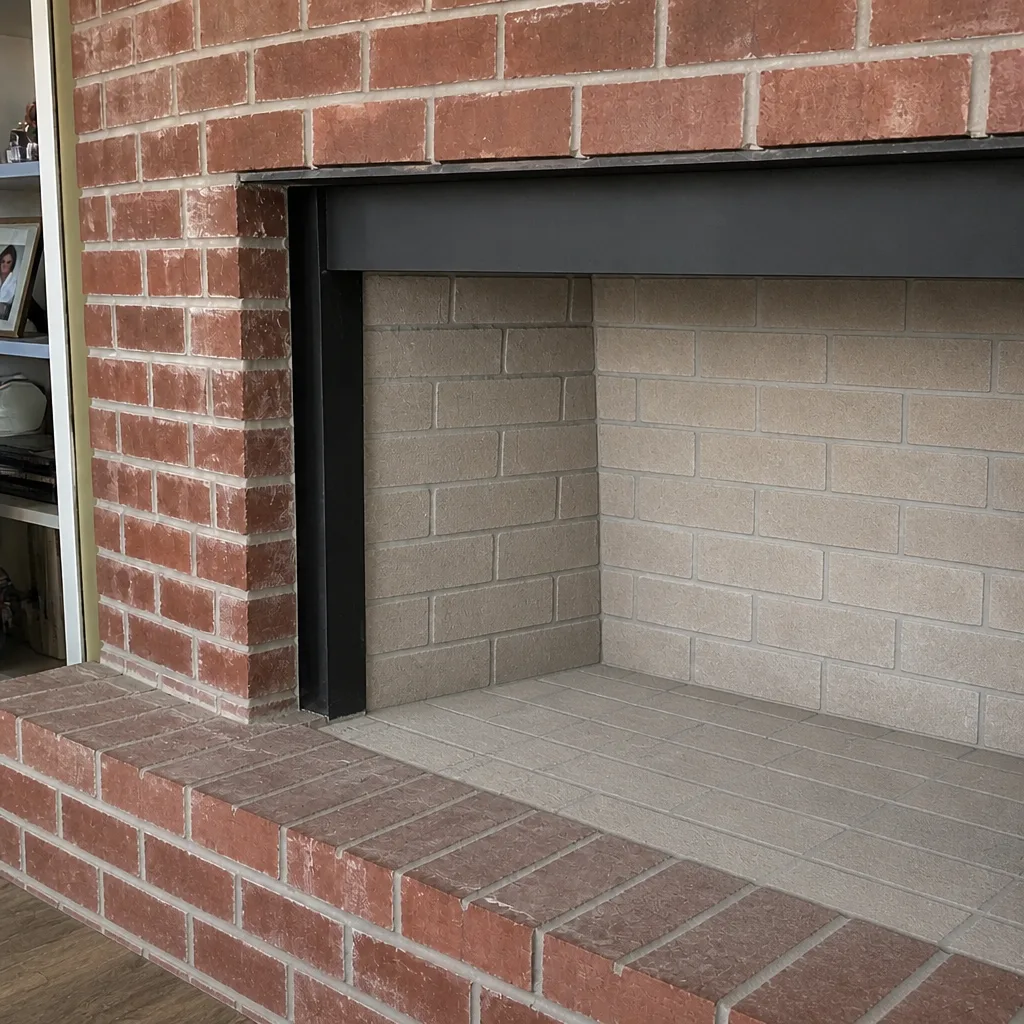
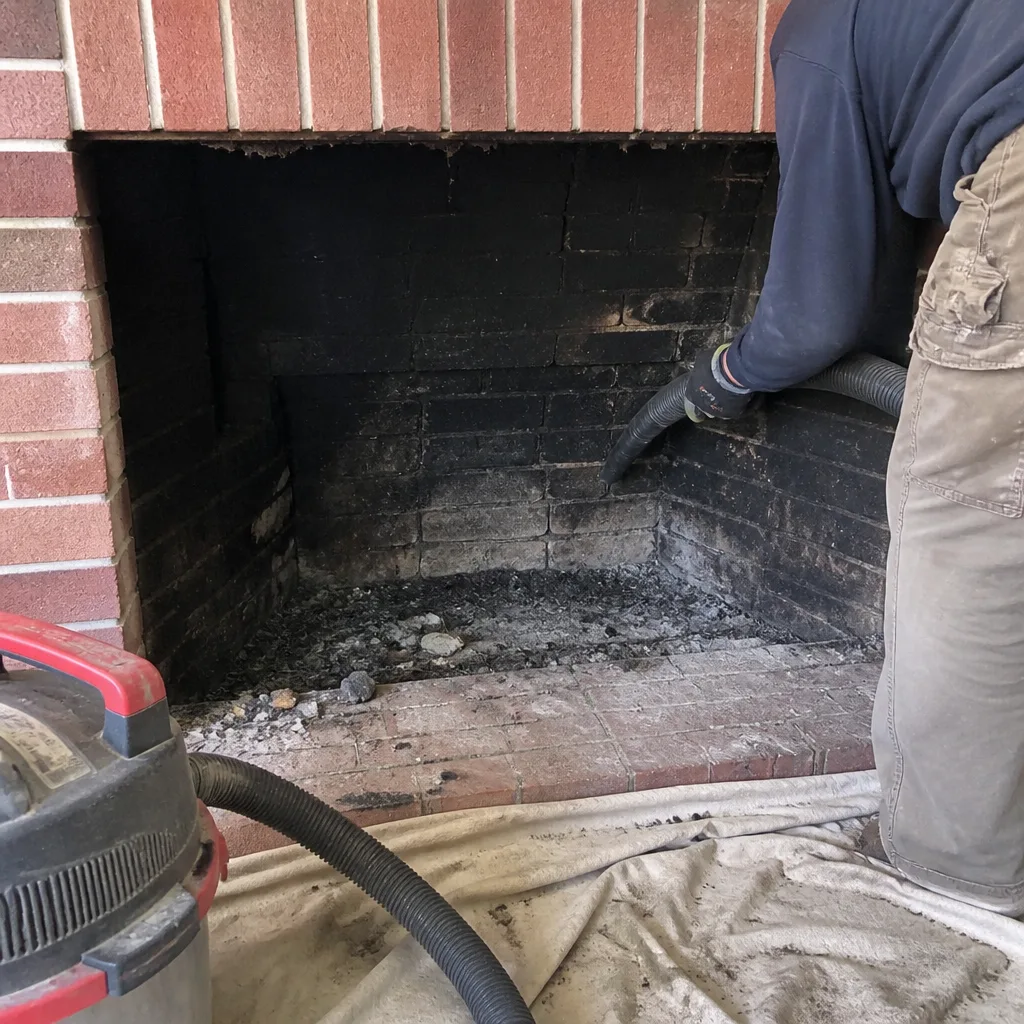
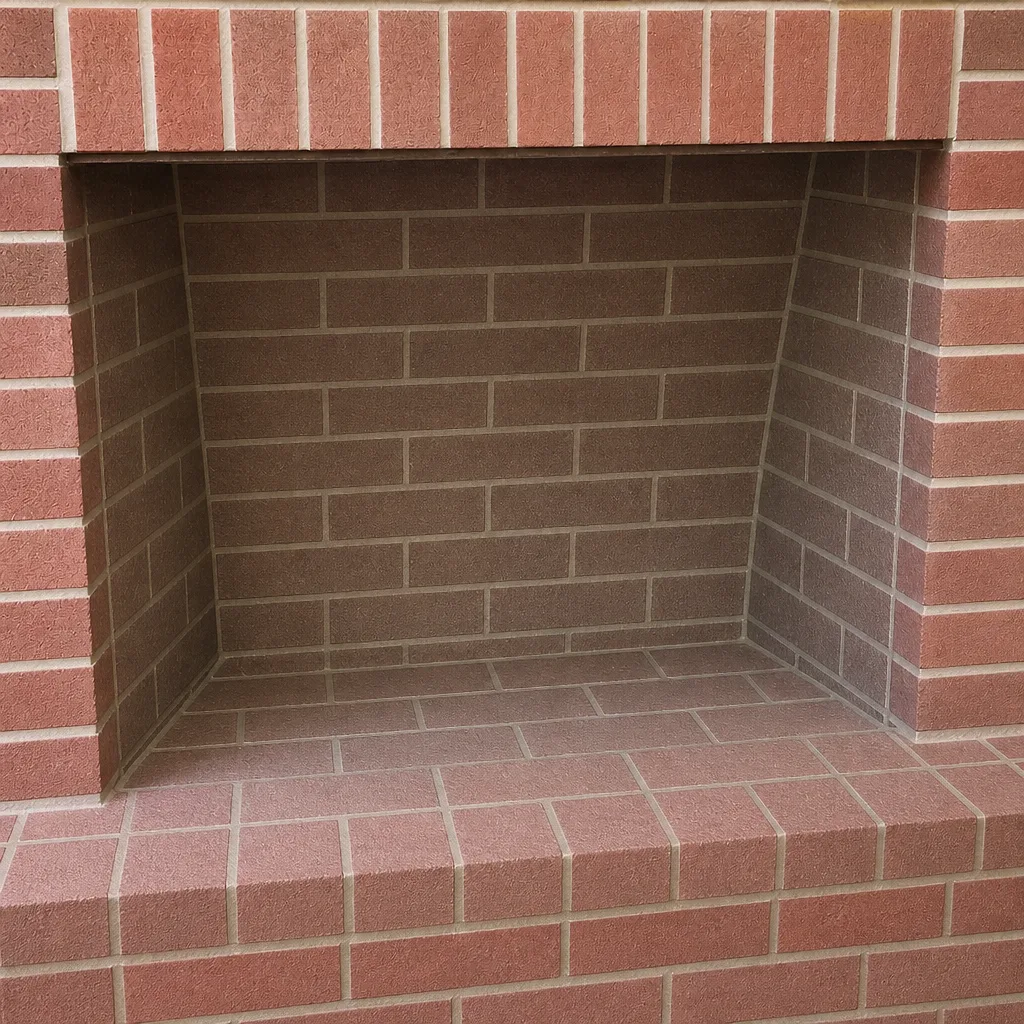
See the difference
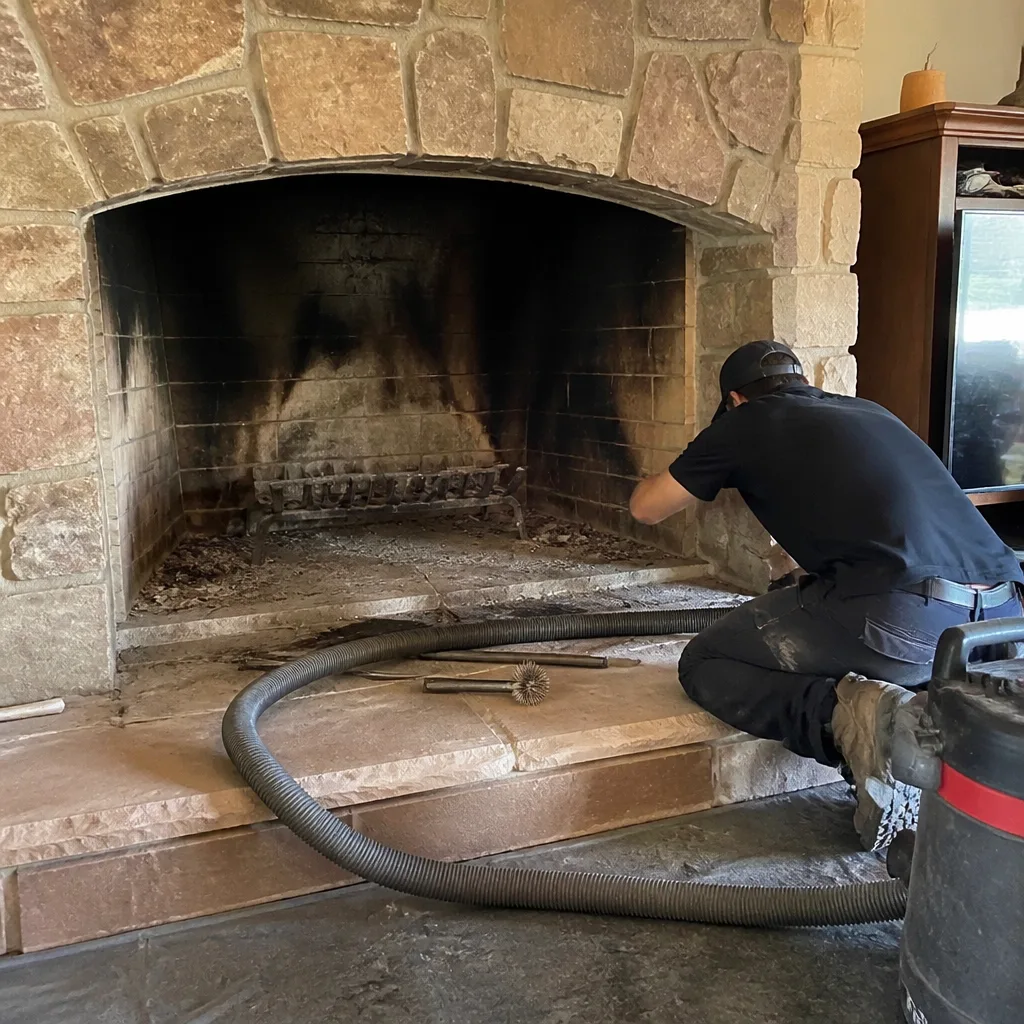 Before
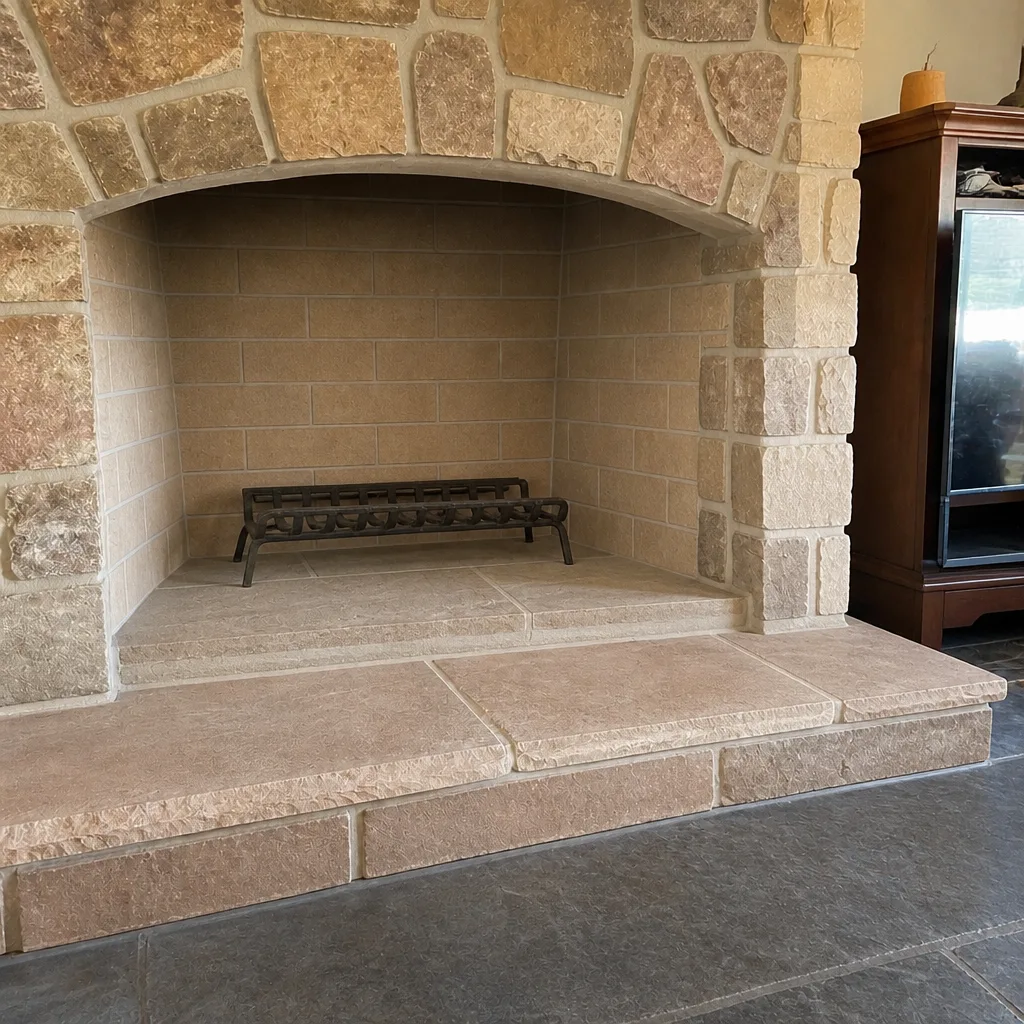 After
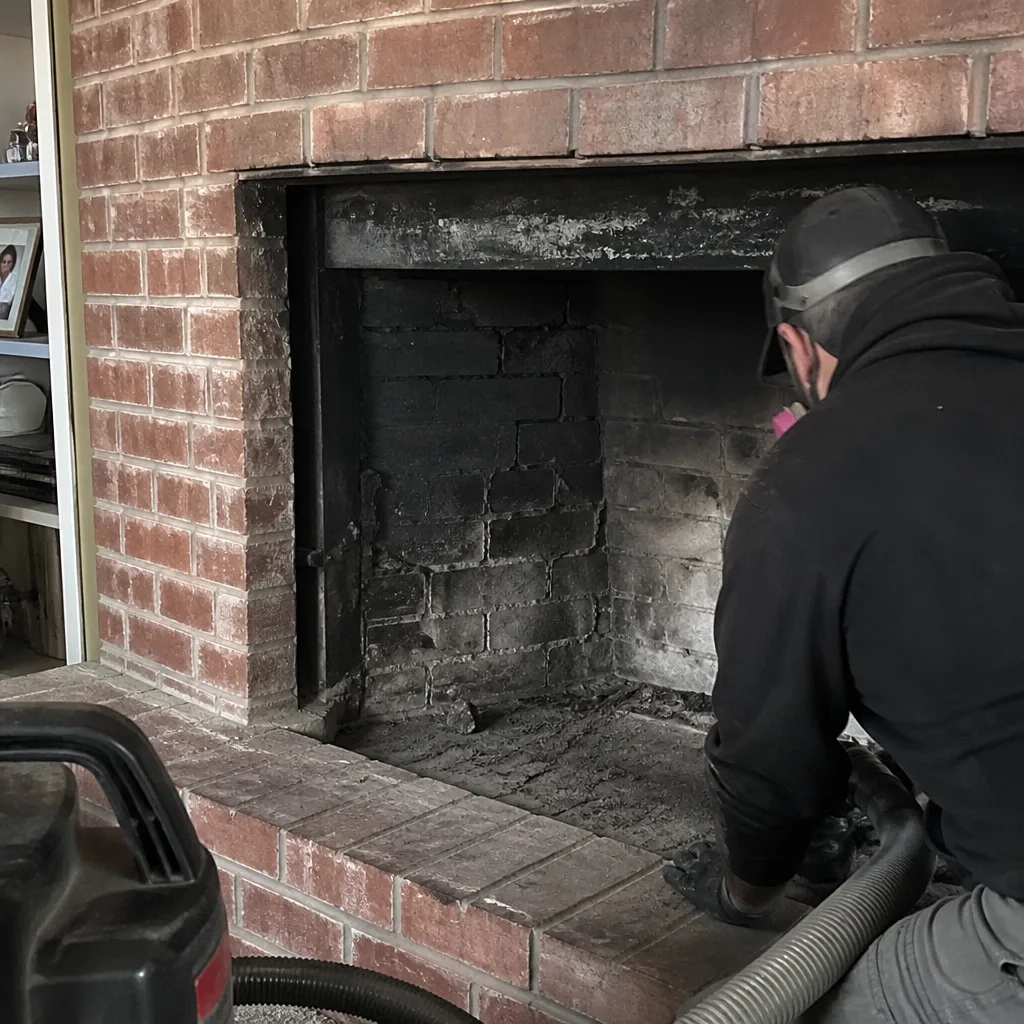 Before
 After
 Before
 After
When to Call a Professional
Any time the work involves more than routine sweeping, it’s worth having a trained technician on site. Liner work, crown replacement, cap installation, and HeatShield resurfacing all require equipment and training that a homeowner can’t replicate with a hardware store kit. High-tension components, electrical connections on gas appliances, and work at the top of a chimney are genuinely dangerous, so safety is the reason to call rather than attempt it.
The other clear signal is when you’re being quoted a repair and can’t tell what’s going into your system. Camera inspection is the way to verify what a proposal is based on, and it’s something you should be able to see for yourself. Chimney Sweep Central Park offers free estimates in Central Park. We inspect it, explain it, and document every inspection with photos, so the proposal you approve is grounded in what’s actually in the flue. Call (855) 550-7509. We answer 24/7. Fast dispatch from 7am to 7pm, Sunday through Friday.
Frequently Asked Questions
The most common professional-grade brands used by chimney specialists in Central Park are HeatShield for flue and smoke chamber resurfacing, Saver Systems for liner repair compounds, DuraFlex and Olympia Chimney for stainless liners, Gelco and Famco for caps and crowns, Copperfield for premium caps, and Rutland for high-temperature sealants. The right mix depends on what the inspection finds. A proposal naming these brands is showing you what’s going into your system. Call (855) 550-7509 for an exact quote – estimates are free.
No. Sweep logs and retail creosote removers are formulated for light soot and first-degree creosote, and they don’t dissolve the glazed Stage 2 buildup that forms after repeated low-temperature burns. Stage 2 creosote needs mechanical removal, sometimes with a chemical treatment applied by a trained technician. If your flue has visible glaze, a sweep log isn’t going to address it. Call (855) 550-7509 to schedule an inspection so you know what you’re actually dealing with.
A specific proposal names brands, gauge, alloy, and construction, and it references the inspection findings that justify the work. If the proposal says “liner repair” or “crown coat” with no product name, ask what material will be used and why. A verified contractor will have an answer. Our inspections are documented with photos, and our proposals name the materials. Call (855) 550-7509 for a free estimate.
Rigid stainless liners like HeatFab components are used in straight flue runs with limited offsets. Flexible systems like DuraFlex are used when the flue has a bend, sits on an exterior wall, or needs to navigate around an obstacle. Both are professional-grade. The choice depends on the geometry of your flue and the appliance you’re venting. In Central Park, older homes often need flexible systems because of the flue layout. Call (855) 550-7509 and we’ll walk through the options.
Often both need attention, but not always. The cap keeps rain and animals out of the flue; the crown sheds water away from the masonry at the top. A failing crown with a sound cap is a crown job. A sound crown with a rusted or poorly fitted cap is a cap job. Inspecting both at the same time is how you avoid paying twice. We use Gelco and Famco components for both. Call (855) 550-7509 for a free estimate.
Annual inspection is the baseline for any working chimney, and sweeping is done as the inspection shows it’s needed. Central Park’s cold, long-burn winters tend to build creosote faster than a milder climate would, so the annual visit matters. If your fireplace is used regularly, don’t skip it. If you’re buying a home in Central Park, a standalone inspection before closing is also worth scheduling. Call (855) 550-7509 to book one.
The Bottom Line
Chimney cleaning brands are not interchangeable, and the material selection behind a repair matters as much as the labor. HeatShield resurfacing, Saver Systems repair compounds, DuraFlex and Olympia Chimney liners, Gelco, Famco, and Copperfield caps and crowns, Rutland sealants: each brand is engineered for a specific job, and the right pairing is what gives a repair its lifespan. Read your next proposal for material specificity, ask the questions in the script above, and treat the inspection as the foundation for everything that follows. A clean chimney is the starting point; a safe, structurally sound chimney is the goal. If you’d like a straight answer on what your chimney needs in Central Park, we’re here for the whole system, from the firebox floor to the Chimney Sweep Central Park point at the top of the flue. Call (855) 550-7509 for a free estimate. We answer 24/7. Fast dispatch from 7am to 7pm, Sunday through Friday.
Written by the team at Chimney Sweep Central Park.