
Last updated November 24, 2026
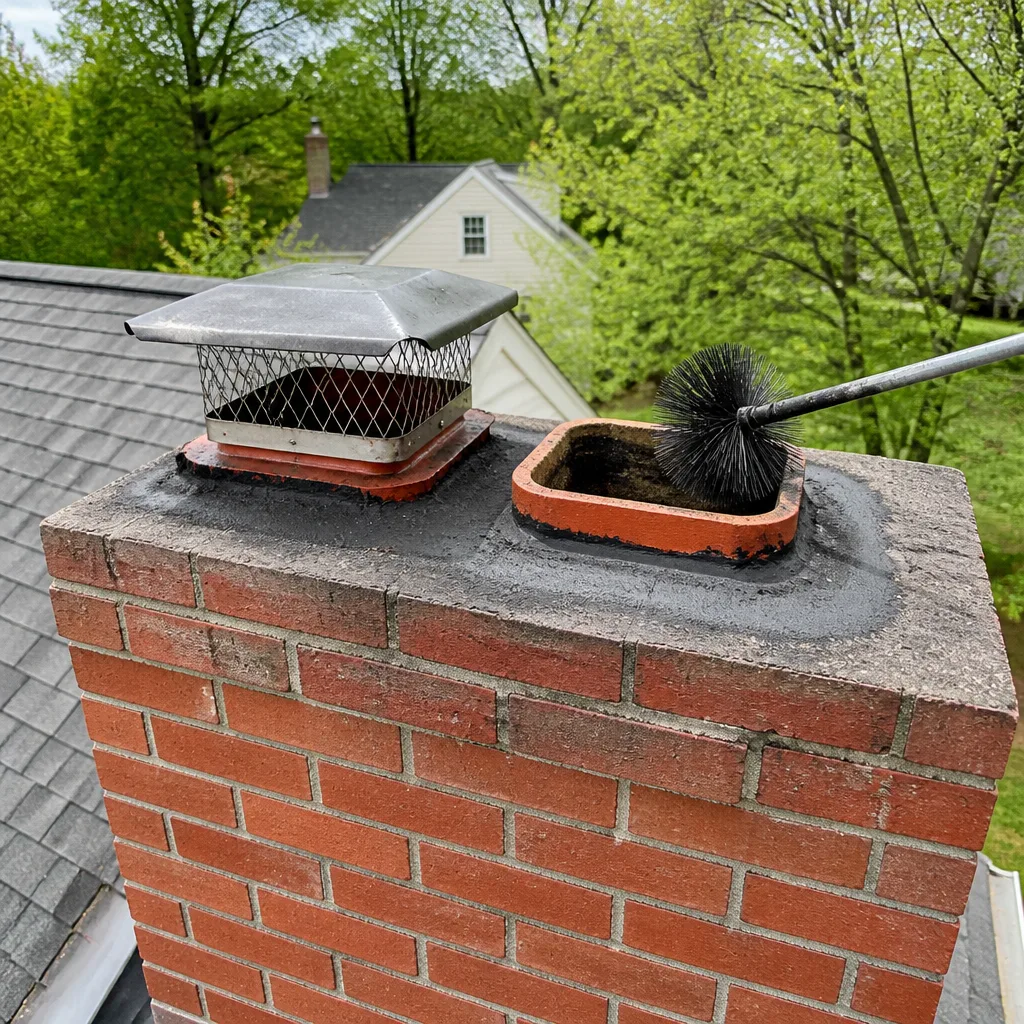 Sweep & inspection
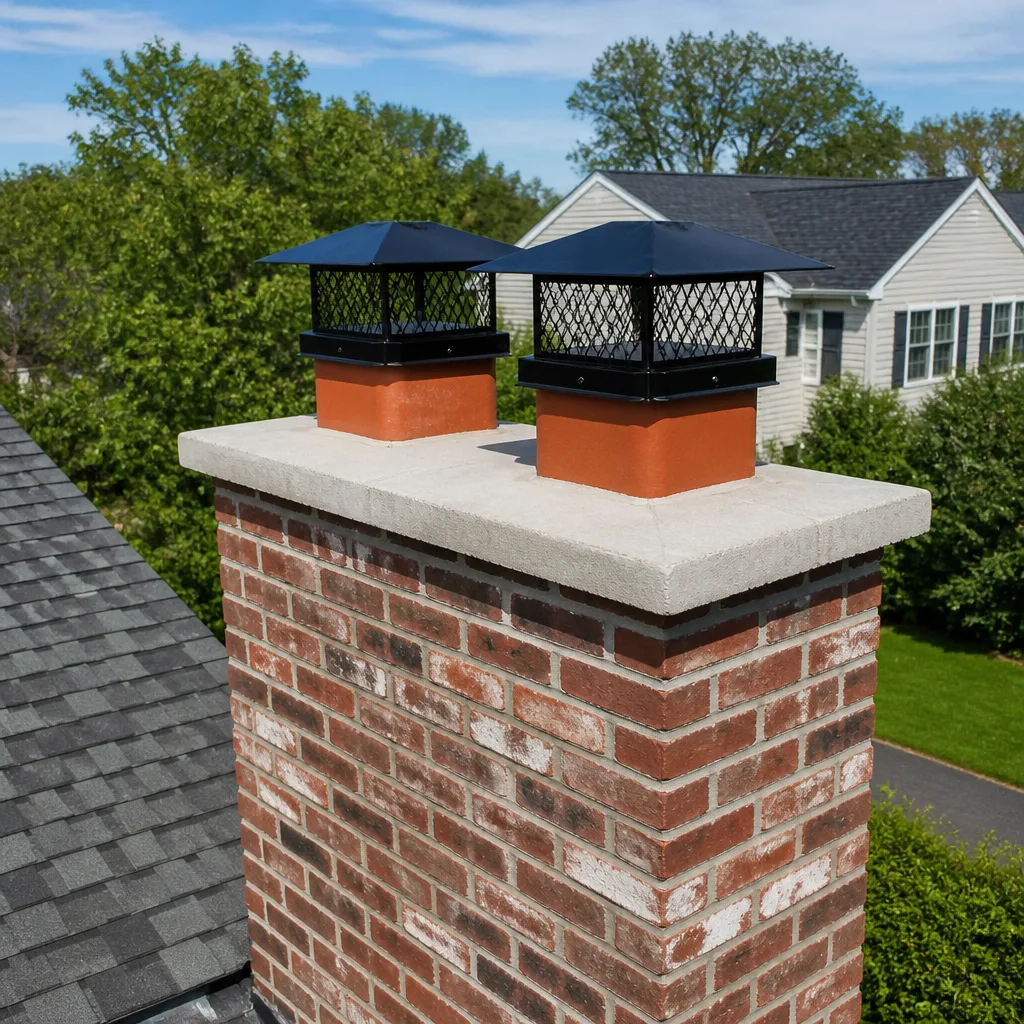 Caps & crowns
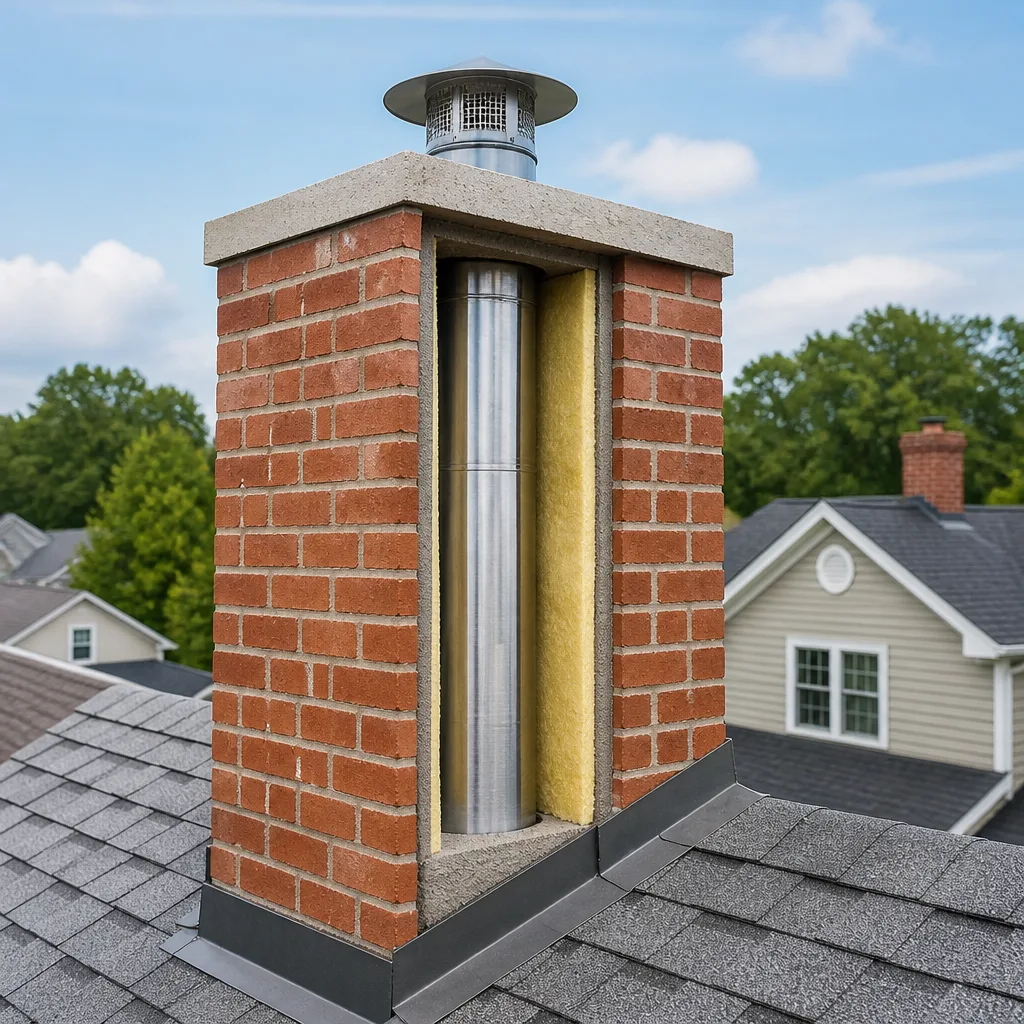 Flue relining
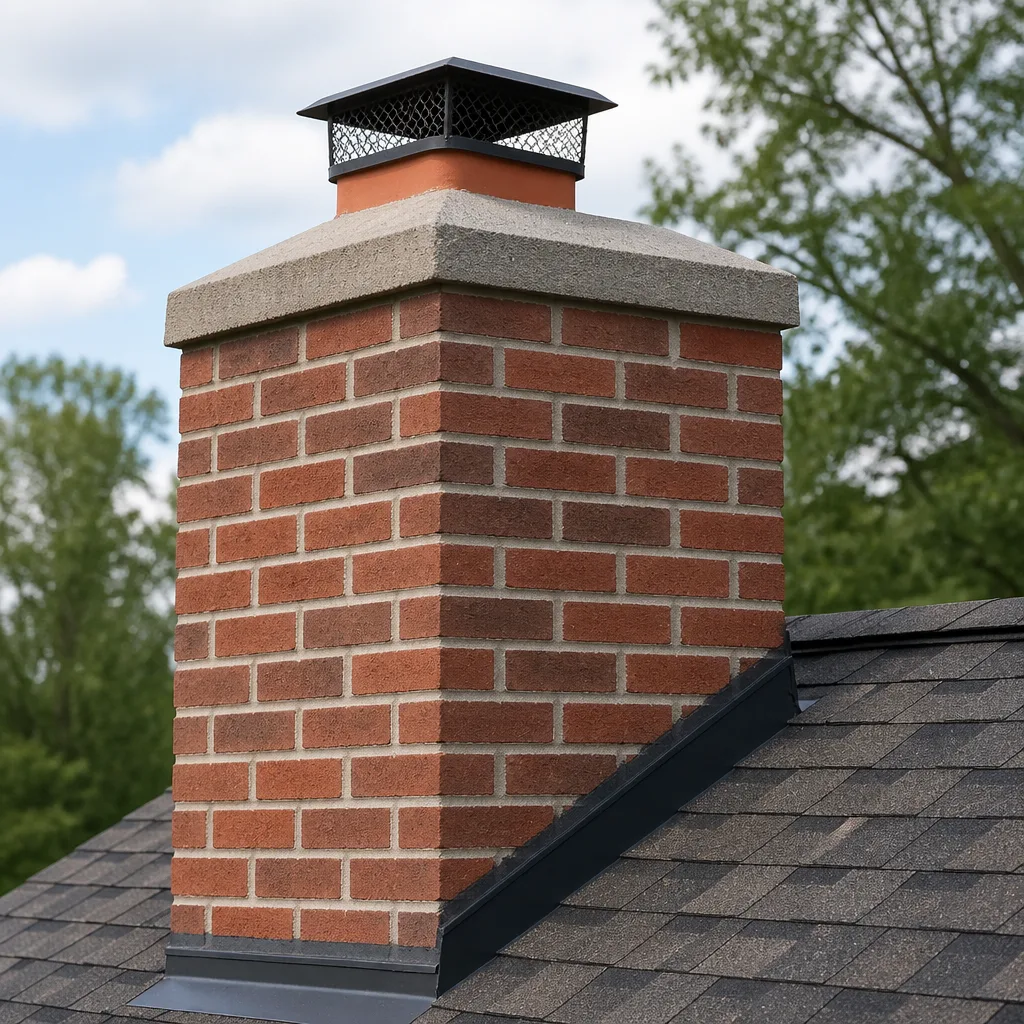 Masonry repair
 Gas fireplace service
Level 1 sweep and inspection to the NFPA 211 annual standard - flue, crown, cap, and flashing checked and photographed
Chimney sweep logs do not sweep chimneys. They loosen some creosote - which then falls where a brush and vacuum still have to collect it.
The Complete Guide to Chimney Cleaning in Central Park
A chimney can pass a visual check from the ground and still hold a Stage 2 creosote glaze that no amount of brushing will remove. That fact alone separates a real cleaning from a surface-level visit, and it’s the reason so many Central Park homeowners end up calling us for a second opinion after a sweep-and-run. This guide walks through what chimney cleaning actually involves as a process, not an event. You’ll learn how the three inspection levels work, what a full-system cleaning covers, how creosote stages change the job, how Central Park’s climate drives deposit rates, and what a written service report should tell you. By the end, you’ll be able to tell a thorough job from a quick one before you pay for it.
Quick Answer
Chimney cleaning in Central Park is a system-wide evaluation, not just a flue brushing. A professional cleaning includes a Level 1, 2, or 3 NFPA 211 inspection matched to your situation, removal of soot and creosote from the firebox through the cap, a check of the damper, smoke shelf, and flue liner, and a written report documenting what was found. When creosote reaches Stage 2 or Stage 3, standard brushing is not enough and chemical treatments or professional restoration are required.
Styles & brands we work with
- Sweep & inspection
- Caps & crowns
- Flue relining
- Masonry repair
- Gas fireplace service
Table of Contents
- Level 1, 2, and 3 Inspections Explained
- What a Full-System Cleaning Actually Covers
- The Three Stages of Creosote
- How Central Park’s Altitude and Temperature Swings Affect Your Chimney
- What a Written Service Report Should Include
- How Often to Schedule Cleaning in Central Park
- Signs Your Chimney Needs Attention Now
- Common Mistakes to Avoid
- When to Call a Professional
Level 1, 2, and 3 Inspections Explained
NFPA 211 sets the standard for chimney inspections, and it divides them into three levels. Which level applies depends on what’s changing with your chimney, not on how much trouble you’re expecting. Getting this right is the difference between an inspection that protects your home and one that misses something behind a wall.
Level 1 Inspection
A Level 1 inspection is the baseline. It covers the readily accessible portions of your chimney and venting system: the firebox, damper, smoke chamber, flue, and cap, checked visually without tools that open or alter the structure. This is the appropriate level when you’re keeping the same appliance, same fuel type, and same venting arrangement, and just need a routine check before or after the burning season. A Level 1 inspection is typically what comes bundled with an annual sweep.
Level 2 Inspection
A Level 2 inspection is required any time a change occurs: a new appliance, a change in fuel type, a flue liner replacement, a chimney fire, a property sale, or a major weather event. It goes beyond the visual walk-through and includes accessible attic, crawlspace, and rooftop areas, plus video scanning of the flue’s interior. In Central Park, a Level 2 is the right call before buying a home with a fireplace, and any time you’ve noticed a chimney fire or a creosote glaze you can’t explain.
Level 3 Inspection
A Level 3 inspection is the deepest level and is used only when a serious hazard is suspected and the previous levels couldn’t resolve it. It can involve removing parts of the chimney or building structure to access concealed areas. This level is rare, but it’s the right answer when a hidden defect, a known chimney fire, or a failed flue is suspected and someone needs to be certain. In our experience, most Central Park homeowners never need a Level 3, but you should understand the tier exists so you recognize when a technician escalates appropriately rather than guessing.
Knowing which level you’re buying is the first step to knowing you got a real inspection. If a company won’t tell you which level applies and why, ask.
What a Full-System Cleaning Actually Covers
A chimney is not one pipe. It’s an assembled system of components, each with its own failure mode. A proper cleaning addresses all of them, and a sweep that only brushes the flue has honestly done less than half the job. Here’s what each part does and what a thorough cleaning checks and clears.
- Firebox – The firebox takes the most direct heat and the most damage. Cleaning clears ash and debris, while the inspection looks for cracked firebrick, deteriorated mortar joints, and gaps in the refractory panels that would let heat into the surrounding structure.
- Damper – A damper that’s stuck open or stuck closed changes how your fireplace behaves. Cleaning clears debris that jams the mechanism and checks that it opens fully and seats fully.
- Smoke shelf and smoke chamber – These sit just above the damper. They’re the hidden, angled surfaces where soot collects and where poor draft often begins. Brushing the smoke chamber to smooth surfaces is part of a real cleaning; a technician who skips it is leaving deposits behind.
- Flue liner – The liner is the flue’s actual barrier. Cleaning removes creosote and soot from the liner walls; the inspection checks for cracks, gaps, spalling, and misaligned sections that would let heat or carbon monoxide escape.
- Chimney crown – The crown is the concrete or masonry cap at the top that sheds water. A cracked crown lets water into the masonry, and that water freezes and splits the chimney in Central Park winters. Cleaning includes a check of the crown’s condition and flashing.
- Chimney cap – The cap (the hood, not the crown) keeps rain, birds, and animals out. A damaged or missing cap is a common cause of water intrusion and nesting. Cleaning includes checking and, when needed, replacing it with a purpose-built component.
When we take on a cleaning, we work from the firebox floor to the chimney cap. If something isn’t right, we tell you what it is and what fixing it involves. The cleaning is the starting point. A structurally sound, safe chimney is the goal.
The Three Stages of Creosote
Creosote is the residue left behind by wood smoke, and it doesn’t arrive in one form. It develops in three stages, and each one demands a different response. This is where so many cleaning visits fall short: brushing removes one stage and simply polishes the others.
Stage 1: Sooty, Flaky Creosote
Stage 1 is the fresh, light deposit that looks like blackened dust or thin flakes. It brushes off easily with standard chimney brushes. A routine sweep handles Stage 1 without anything special.
Stage 2: Tar-Like, Sticky Creosote
Stage 2 is where the job gets serious. The deposit hardens into a tar-like coating that clings to the flue walls and doesn’t respond to a standard brush the way flaky soot does. Stage 2 accumulation is why periodic cleaning matters so much; left alone, it builds into Stage 3. Removing Stage 2 typically requires chemical creosote treatments that soften the deposit so it can be removed, followed by rotary brushing. A sweep-only crew that only carries a brush will leave it there and call the job done.
Stage 3: Glazed, Hard Creosote
Stage 3 is a hard, shiny, glaze-like layer that bonds to the flue surface. It’s dense, it’s difficult to remove, and it’s the form most associated with stubborn chimney fires. Stage 3 requires chemical treatment and often mechanical work, and sometimes it points toward flue restoration rather than cleaning. In our experience, Stage 3 glaze is the single most common reason a homeowner discovers the previous “cleaning” wasn’t as complete as they thought.
The distinction matters for a practical reason: you should ask, when you book, what stages the technician is prepared to handle. If the answer is “we brush,” you now know why that answer tells you less than it seems to.
What Removes Each Stage
- Stage 1 – Standard wire or poly brushes, swept by hand or on rods.
- Stage 2 – Chemical creosote treatment applied and given time to act, then rotary brushing to lift the softened deposit.
- Stage 3 – Chemical treatment in some cases, but often a professional assessment that the flue itself may need resurfacing or relining rather than continued cleaning.
When a flue already has heavy glazing or a failed liner, cleaning alone isn’t the fix. That’s where our ability to perform ceramic resurfacing with HeatShield and to install DuraFlex liner systems becomes the difference between a stopgap and a repair. Our technicians have up to 15 years of experience evaluating which of those paths a given flue needs.
How Central Park’s Altitude and Temperature Swings Affect Your Chimney
Central Park sits in the Denver basin at high elevation, and that changes how your chimney behaves compared with lower-elevation Colorado towns. Thinner air at altitude holds less oxygen and less moisture, and that alters both how a fire burns and how smoke drafts. A fire that burns hotter and faster produces different deposit patterns than a fire at sea level, and a fire that struggles to draft leaves more residue behind in the smoke chamber and flue.
The bigger factor in Central Park, though, is the temperature swing. Days can be mild and nights drop hard, and that cycle repeats through the burning season. Masonry expands and contracts with those swings, and any crack or weak joint in the crown or flashing opens a little wider each cycle. Water gets in, freezes overnight, and expands, and that freeze-thaw cycle is the slow, quiet enemy of a Central Park chimney. That’s why we check the crown and cap on every visit and why we install purpose-built caps and crowns from Gelco and Copperfield rather than improvising a fix.
Draft is the other local consideration. A chimney needs warm air rising through it to pull smoke out. On a cold Central Park morning, a chimney that hasn’t been used recently can be slow to establish draft, and if the flue is narrowed by deposits, that slow start gets worse. Homeowners often read a smoky fire as a wood problem when the real cause is a partially blocked or cold flue. The fix starts with an inspection that can tell the difference.
How Housing Stock Fits In
Central Park has a wide mix of housing, and that mix affects what we find. Older masonry chimneys tend to have more accumulated Stage 2 and Stage 3 deposit and more crown and flashing wear. Newer homes more often have a pre-fabricated metal flue, where the concern shifts to liner integrity and appliance compatibility. The cleaning approach and inspection level should match the chimney in front of us, not a template.
What a Written Service Report Should Include
A written service report is your record of what happened, and it’s your tool for confirming the work was thorough. Ask for one before you book. Here’s what a report from a professional cleaning should contain.
- Inspection level performed – Which level (1, 2, or 3) was done and why it applied.
- Condition of each component – Firebox, damper, smoke chamber, smoke shelf, flue liner, crown, cap, and exterior masonry, each with a condition note.
- Creosote stage observed – What stage was found and how it was removed, or why it couldn’t be fully removed in that visit.
- Photographs – Before and after, and any defects found. Photos are how you see what we saw.
- Measurements where relevant – Flue dimensions, clearances, and liner condition noted with specifics, not vague reassurances.
- Recommendations, separated from facts – What needs attention now, what can wait, and what’s purely optional.
- A clear statement of what was left undone – If a component couldn’t be accessed or a repair is pending, the report should say so plainly.
If a company isn’t willing to give you a written report with photos, that’s the answer to whether the job was full-system. Ask us what we found, because we document every inspection. That documentation is also how you tell a repair recommendation from an upsell: nothing is recommended without evidence you can see for yourself, and we’ll tell you plainly when work can safely wait.
How Often to Schedule Cleaning in Central Park
There’s no single calendar answer that fits every home, but there are practical guidelines that hold for most Central Park households. The right frequency depends on how much you burn, what you burn, and what your inspections reveal.
- Annual inspection – Once a year, ideally before the burning season, regardless of how much you burn. This is the baseline in NFPA 211 and the cheapest way to catch a small problem before it’s a big one.
- Sweep based on use – A common rule of thumb is to sweep after roughly one cord of wood burned, or when soot and creosote reach about an eighth of an inch on the flue walls, whichever comes first. Heavy burners should expect more frequent cleaning.
- After a chimney fire – Any suspected chimney fire is a Level 2 inspection trigger, no matter when the last cleaning was.
- After moving in – A Level 2 inspection before you buy or right after you take possession of a Central Park home with a fireplace gives you a documented starting point.
- When you change what you burn – Switching fuels or appliances means the venting system may need a different check. Get it inspected before the first burn.
A clean chimney is the starting point. A safe, structurally sound chimney is the goal, and frequency is one of the levers that keeps it that way.
Signs Your Chimney Needs Attention Now
Some problems announce themselves and some don’t. These are the signals worth acting on, from the visible to the subtle.
- Smoke rolling back into the room – Poor draft, often from a partial blockage or a cold flue. It’s a diagnostic clue, not something to live with.
- A strong, acrid smell even when you’re not burning – Stale creosote and soot deposits produce odor, and the smell is a sign deposits have built up.
- Dark stains on the chimney exterior or ceiling near the chimney – These point to water intrusion, cracked masonry, or a failed crown or flashing.
- Visible creosote glaze inside the firebox or at the damper – A glaze you can see with a flashlight is a sign a professional evaluation is due.
- Crumbling mortar or bricks on the exterior – Freeze-thaw damage progresses quietly. Spalling or crumbled mortar is a sign the masonry needs attention.
- Animals or nests in the flue – A missing or damaged cap is the common cause. Birds and animals in a flue are both a draft problem and a safety problem.
- You’ve never had it inspected – If you’ve moved into a Central Park home and don’t know the chimney’s history, an inspection gives you the facts.
Any one of these is reason enough to book a real inspection. Several at once means call sooner.
Common Mistakes to Avoid
- Treating cleaning as just a flue brushing. The firebox, smoke chamber, damper, crown, and cap are part of the system. A technician who only brushes the flue has done maybe half the job.
- Assuming a visual check from the ground is enough. A chimney can look fine from the yard and still have a Stage 2 glaze inside. Inspections need to get up close and, when warranted, use video scanning.
- Skipping the Level 2 after a chimney fire or a change in fuel or appliance. The lower inspection level won’t reveal what a Level 2 will. If something changed, the level should change with it.
- Putting off crown and cap repairs through Central Park’s freeze-thaw cycle. A small crack opens further with each overnight freeze. Repairing it early is cheaper than repairing the damaged masonry it lets water into.
- Accepting a verbal “you’re all set” with no written report. Without documentation and photos, you have no way to verify what was found or what was done. Ask for the report.
- Burning unseasoned or wet wood. Wet wood burns cooler, drafts worse, and lays down more creosote per fire. Dry, seasoned wood is the simplest way to slow deposit buildup.
- Hiring a sweep-only crew for a repair-level problem. If your liner is glazed, cracked, or unlined, cleaning alone won’t fix it. The right answer is a company that can diagnose and repair the full system.
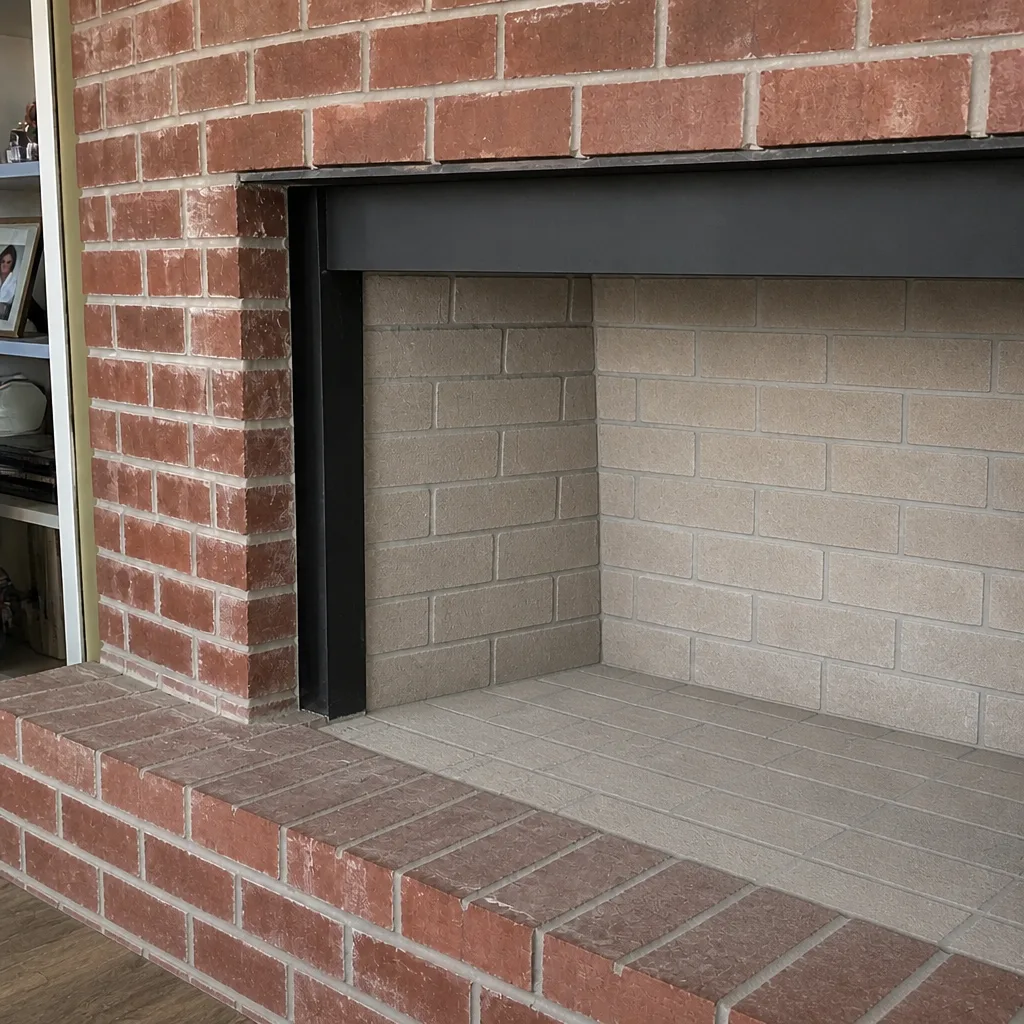
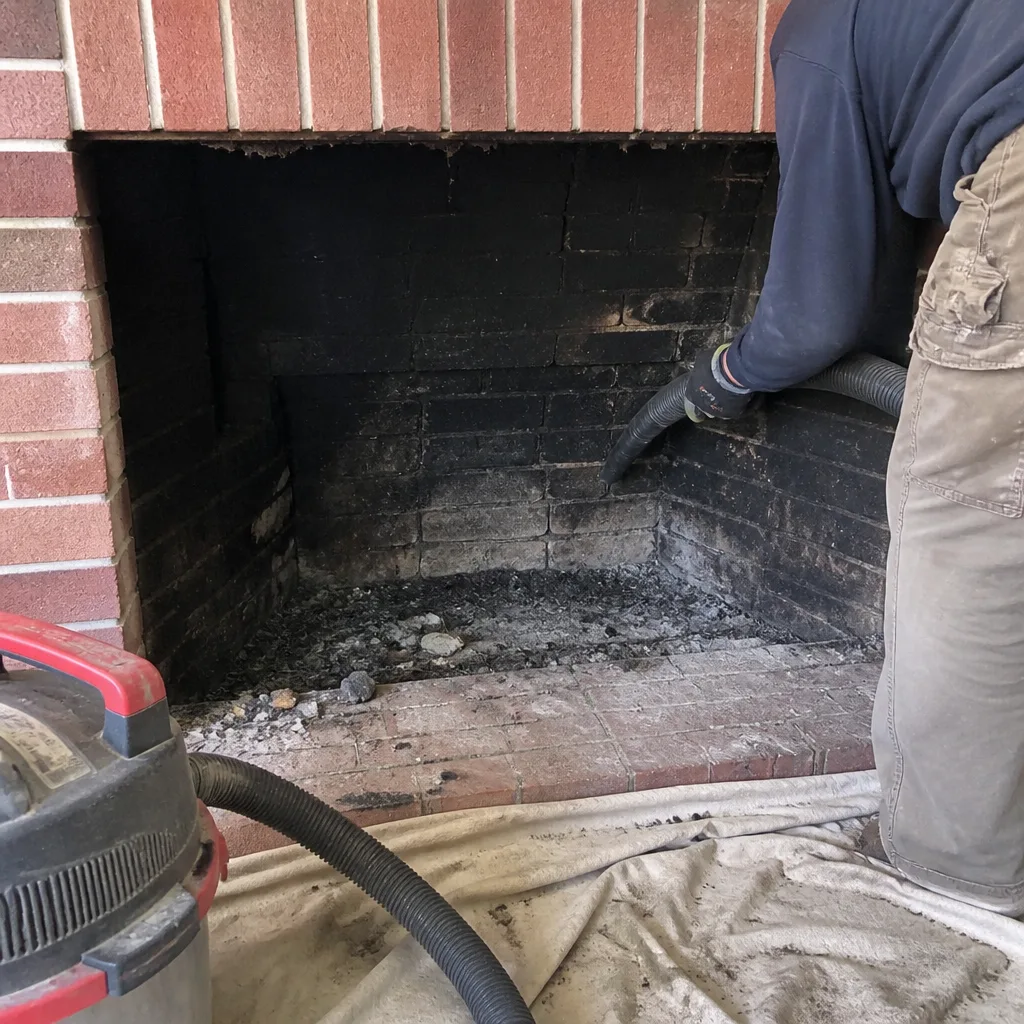
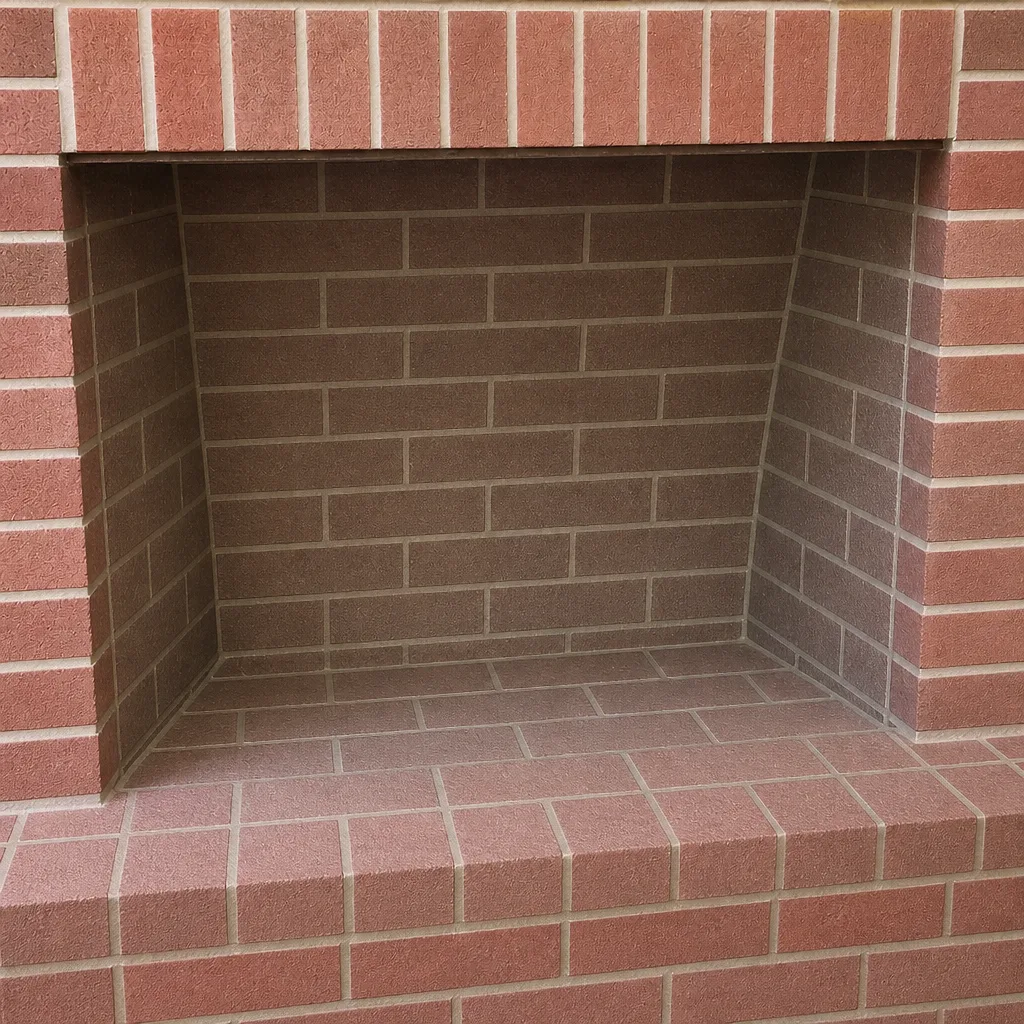
See the difference
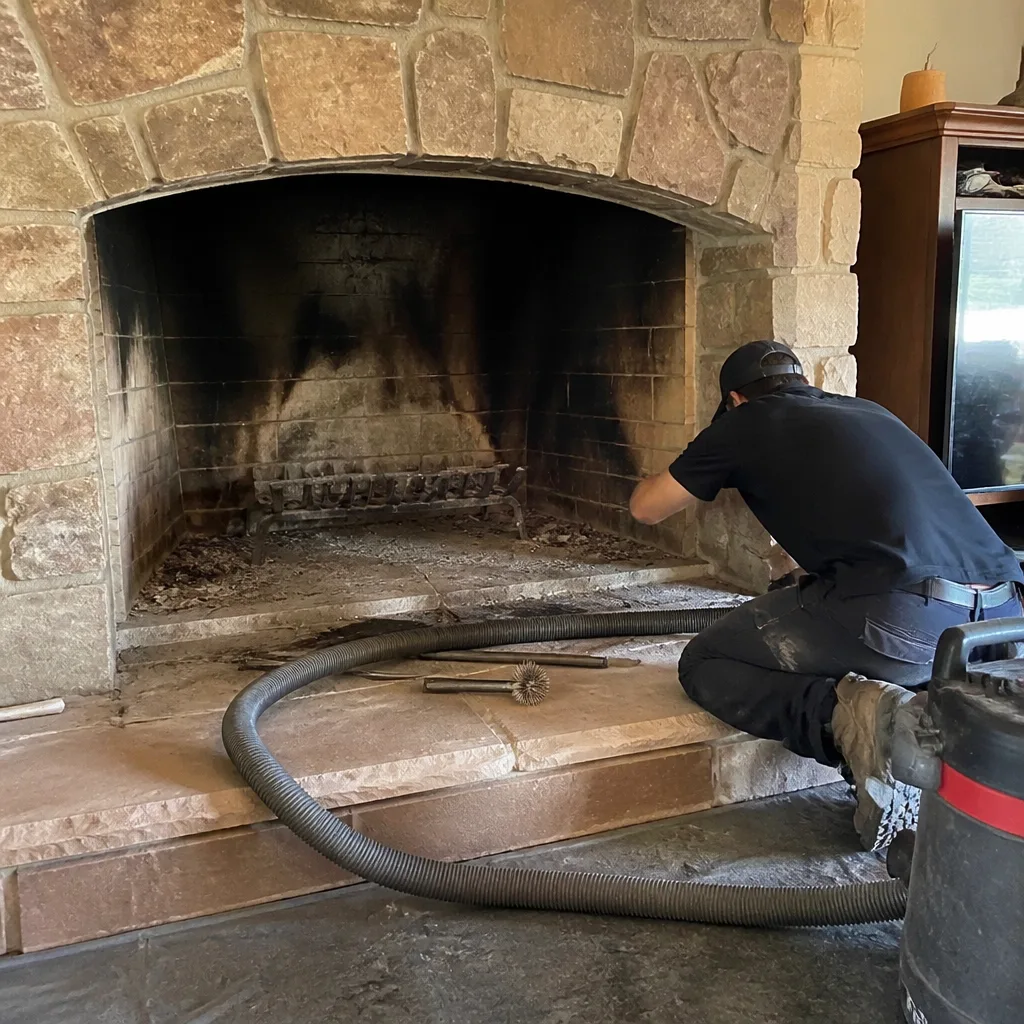 Before
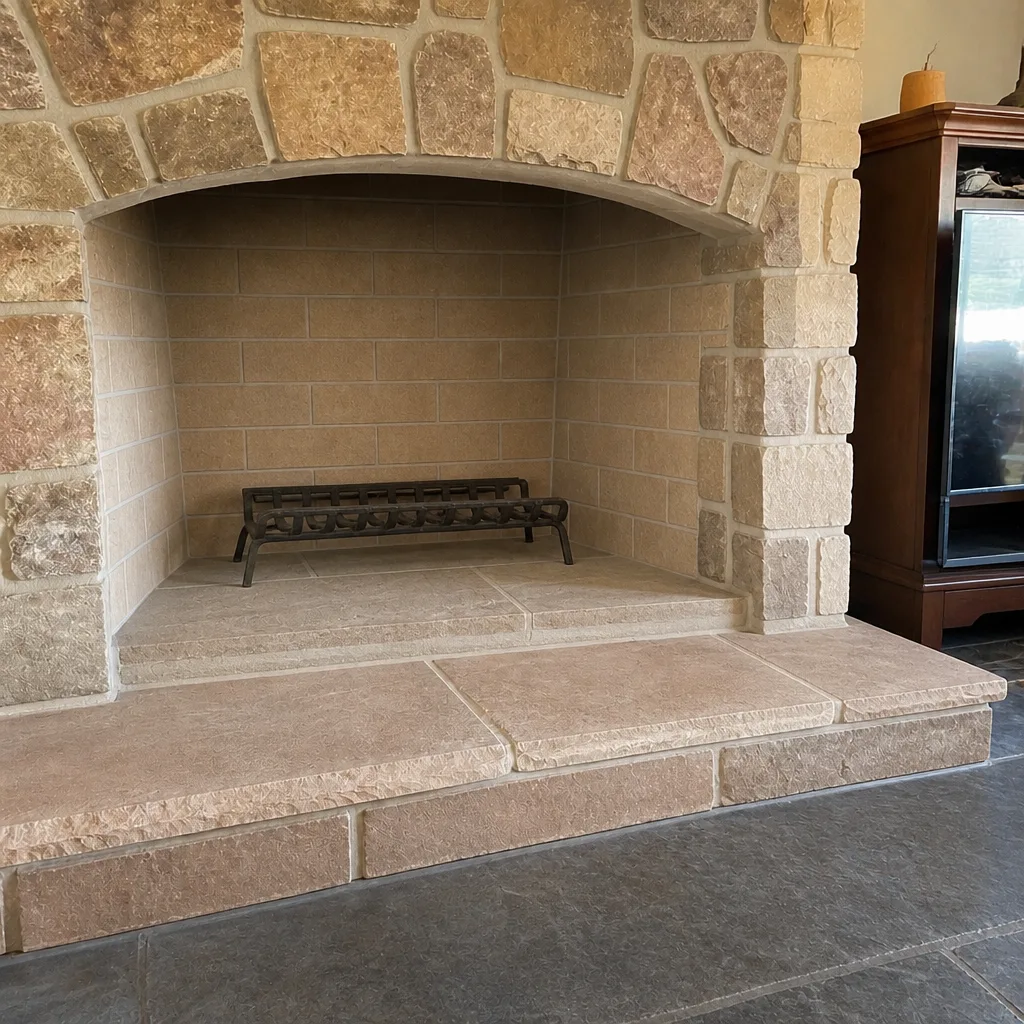 After
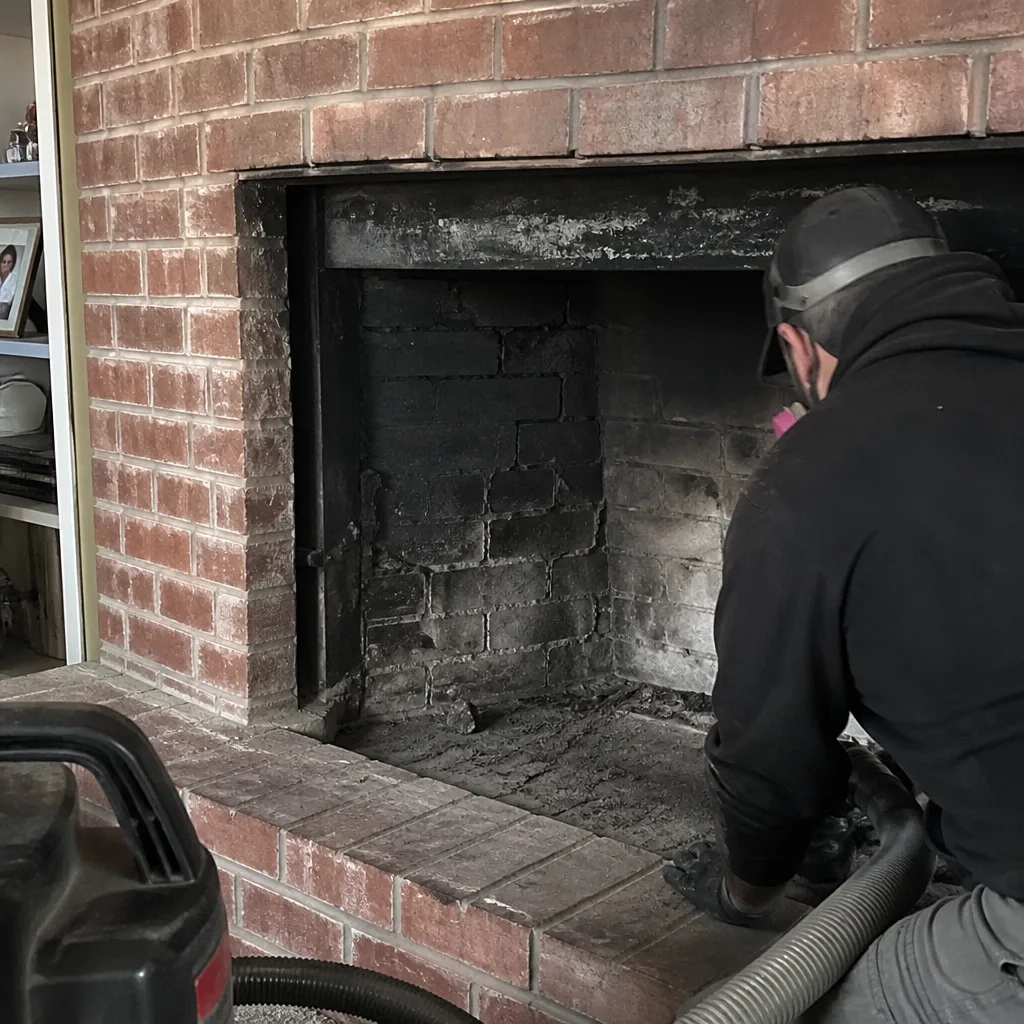 Before
 After
 Before
 After
When to Call a Professional
Some chimney work belongs with a trained professional, not a homeowner and a flashlight. Call us when you notice smoke backing up, a strong creosote smell, dark stains on the chimney or ceiling, crumbling masonry, or animals in the flue. Call when you’ve had a chimney fire, when you’ve changed your appliance or fuel, when you’re buying or selling a Central Park home with a fireplace, or when you simply don’t know the chimney’s history. A professional evaluation with camera documentation is how you separate a problem that needs a repair from one that can safely wait. Chimney Sweep Central Park offers free estimates in Central Park. Call (855) 550-7509 for an estimate, and you’ll get a written report showing what we found. We answer 24/7. Fast dispatch from 7am to 7pm, Sunday through Friday.
Frequently Asked Questions
Chimney cleaning is priced per job by a written estimate, so the number depends on the chimney, the inspection level, and how much deposit is present. You get a free estimate before anything is booked, and the written estimate sets the final price. Call (855) 550-7509 for an exact quote, and estimates are free.
You need a new liner when there’s camera evidence that the existing one is cracked, spalled, misaligned, or missing, because a damaged liner lets heat and carbon monoxide into the structure. You don’t need one on a technician’s word alone. Ask to see the photos and video, and ask what specifically fails. If the liner is sound, we’ll tell you so. Call (855) 550-7509 with questions, and estimates are free.
Sweep after roughly one cord of wood burned or when soot and creosote reach about an eighth of an inch on the flue walls, and have it inspected at least once a year before the burning season. Heavy burners need it more often. Call (855) 550-7509 to schedule, and estimates are free.
Skipped cleaning lets creosote build from Stage 1 into Stage 2 and Stage 3, which raises chimney fire risk and makes the eventual job larger, and it lets small crown and flashing cracks turn into masonry damage through Central Park’s freeze-thaw cycle. It also lets carbon monoxide risk from a damaged liner go unchecked. Call (855) 550-7509 to book an inspection, and estimates are free.
We clean, diagnose, and repair under one roof, so a sweep and a repair recommendation come from the same company with no handoffs. Whether a repair happens the same visit or needs a scheduled follow-up depends on what the inspection finds and what parts the fix requires. Call (855) 550-7509 to talk through your situation, and estimates are free.
We work on both wood-burning and gas fireplace and chimney systems, and the inspection checks the venting for each type. Gas systems still need their venting evaluated; they don’t burn wood, but the flue still matters. Call (855) 550-7509 to describe your setup, and estimates are free.
Where to Go From Here
If you already know your chimney needs cleaning, the next step is booking. Our chimney sweep service covers the full system, and if repairs come up, we handle fireplace repair and chimney repair ourselves. If your crown or cap is the problem, our chimney cap & crown work uses purpose-built Gelco and Famco components, and for glazed or failed flues we resurface with HeatShield or install DuraFlex liners from Olympia Chimney. For the full picture of what we do, visit the Chimney Sweep Central Park home page.
The Bottom Line
Chimney cleaning in Central Park is a system-wide diagnostic process, and the sweep is only one phase of it. Get the inspection level matched to your situation, insist on cleaning from the firebox floor to the cap, and make sure the technician can handle Stage 2 and Stage 3 creosote rather than just brushing it. Central Park’s altitude and freeze-thaw swings make crown and cap maintenance a yearly concern, and a written report with photos is your tool for confirming the work was thorough. Know what you’re buying before you buy it, and you’ll spot a surface-level job long before you pay for one.
If you’d like a straight answer about your chimney, call (855) 550-7509 for a free estimate. We answer 24/7. Fast dispatch from 7am to 7pm, Sunday through Friday.
Written by the team at Chimney Sweep Central Park.