
Last updated November 24, 2026
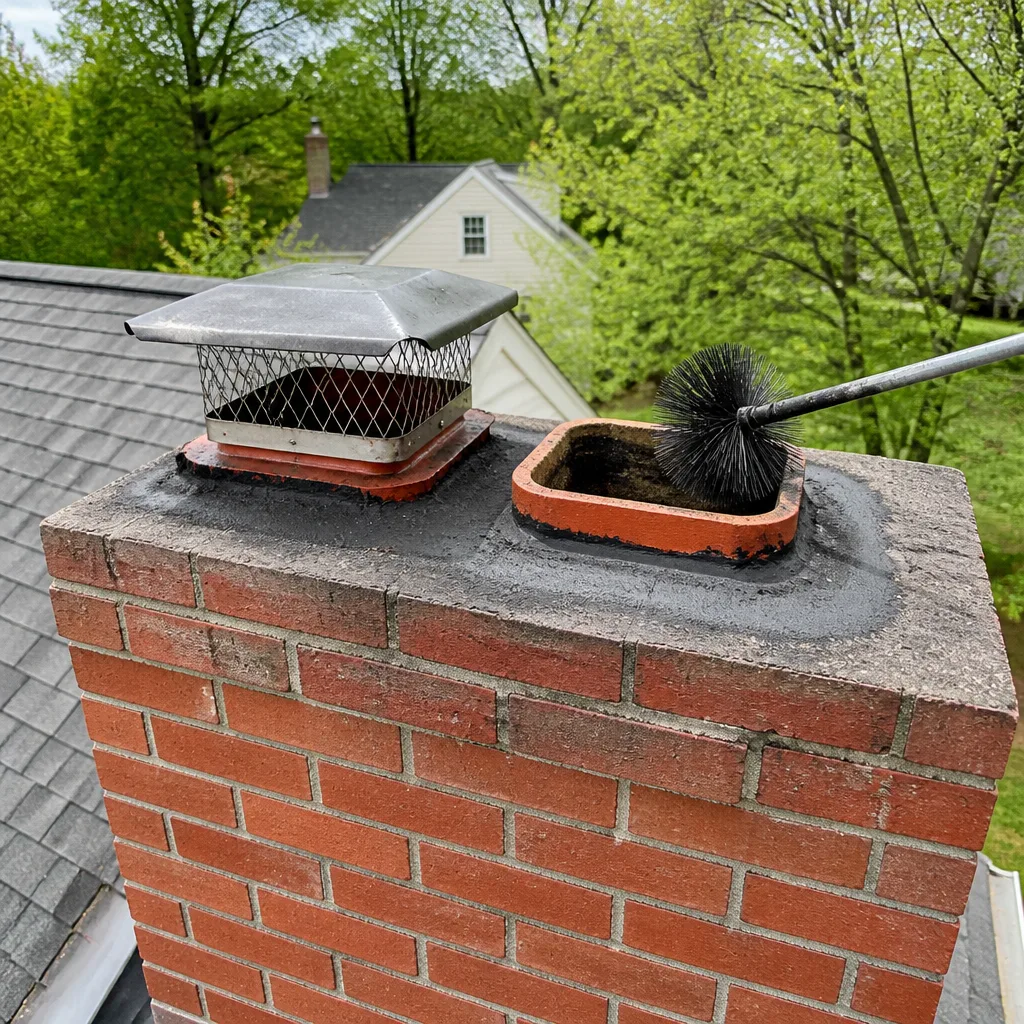 Sweep & inspection
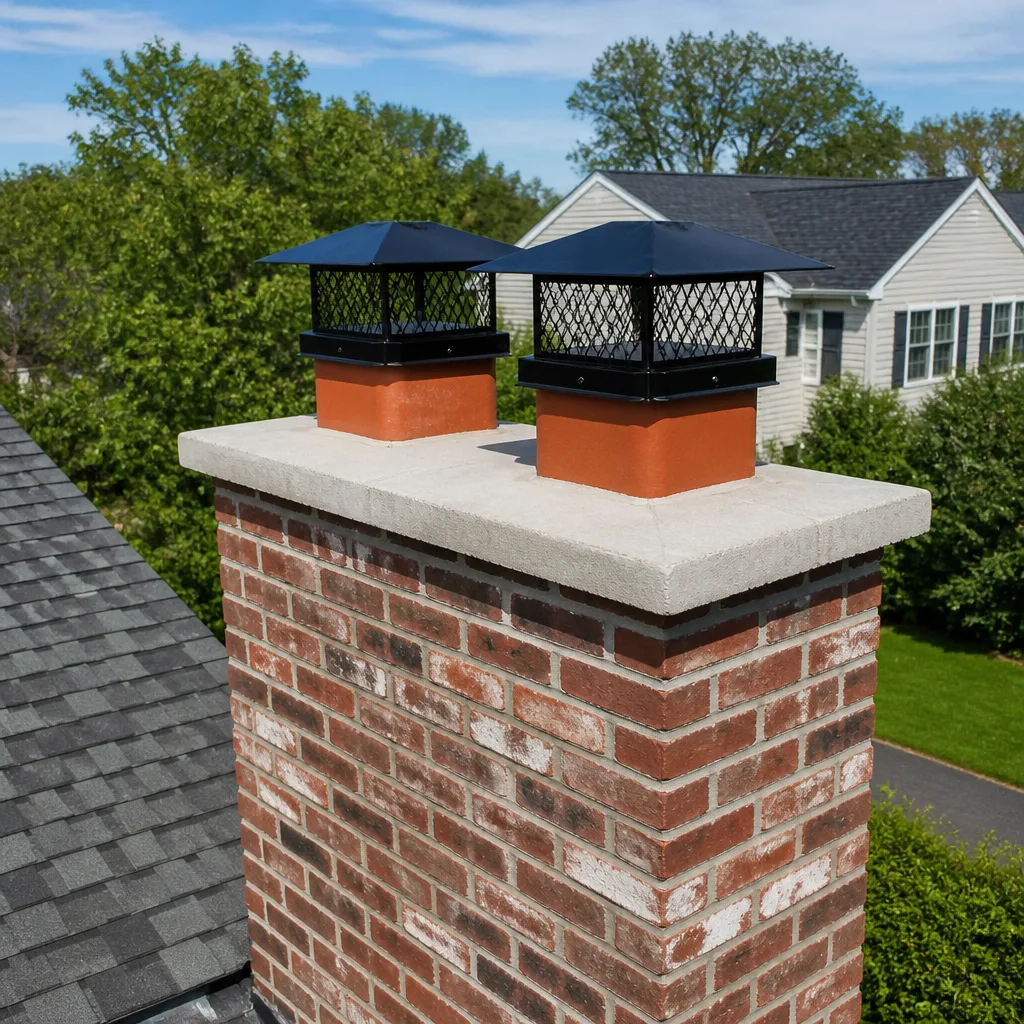 Caps & crowns
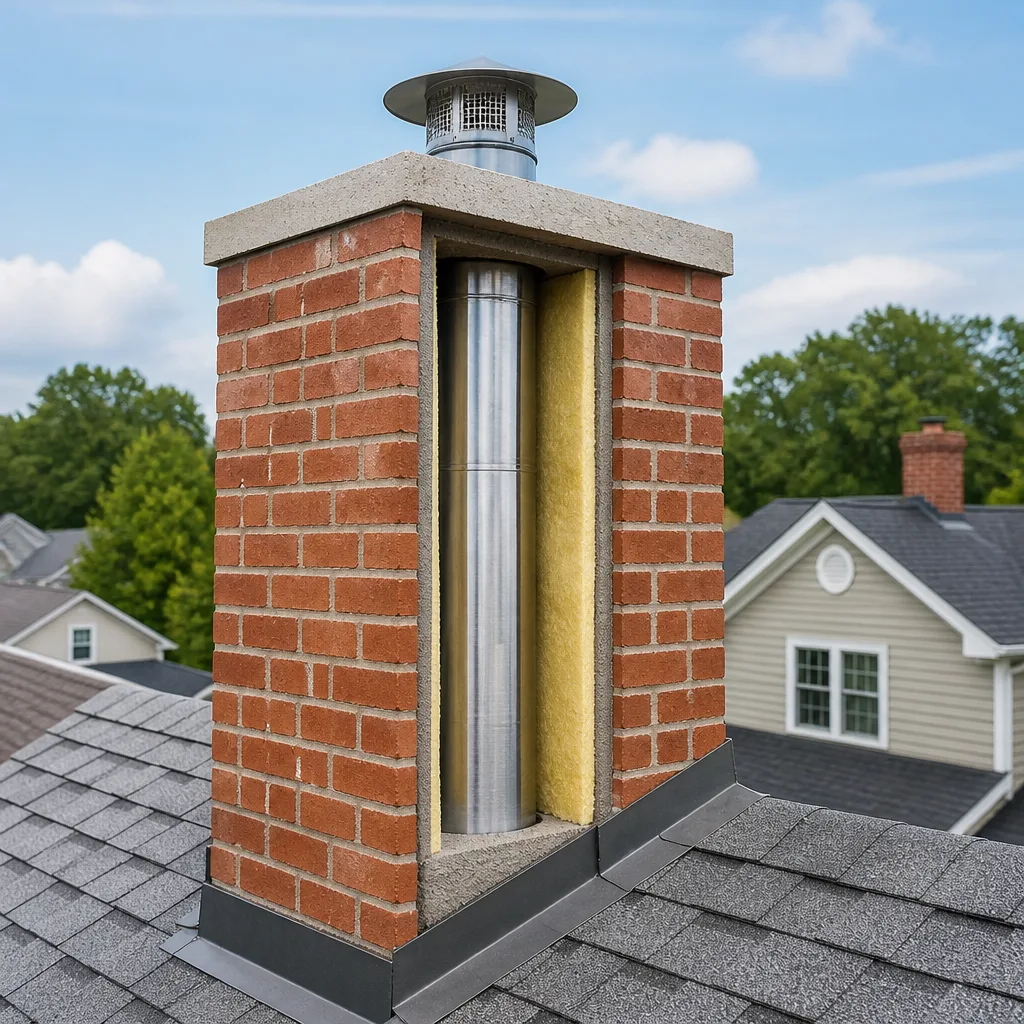 Flue relining
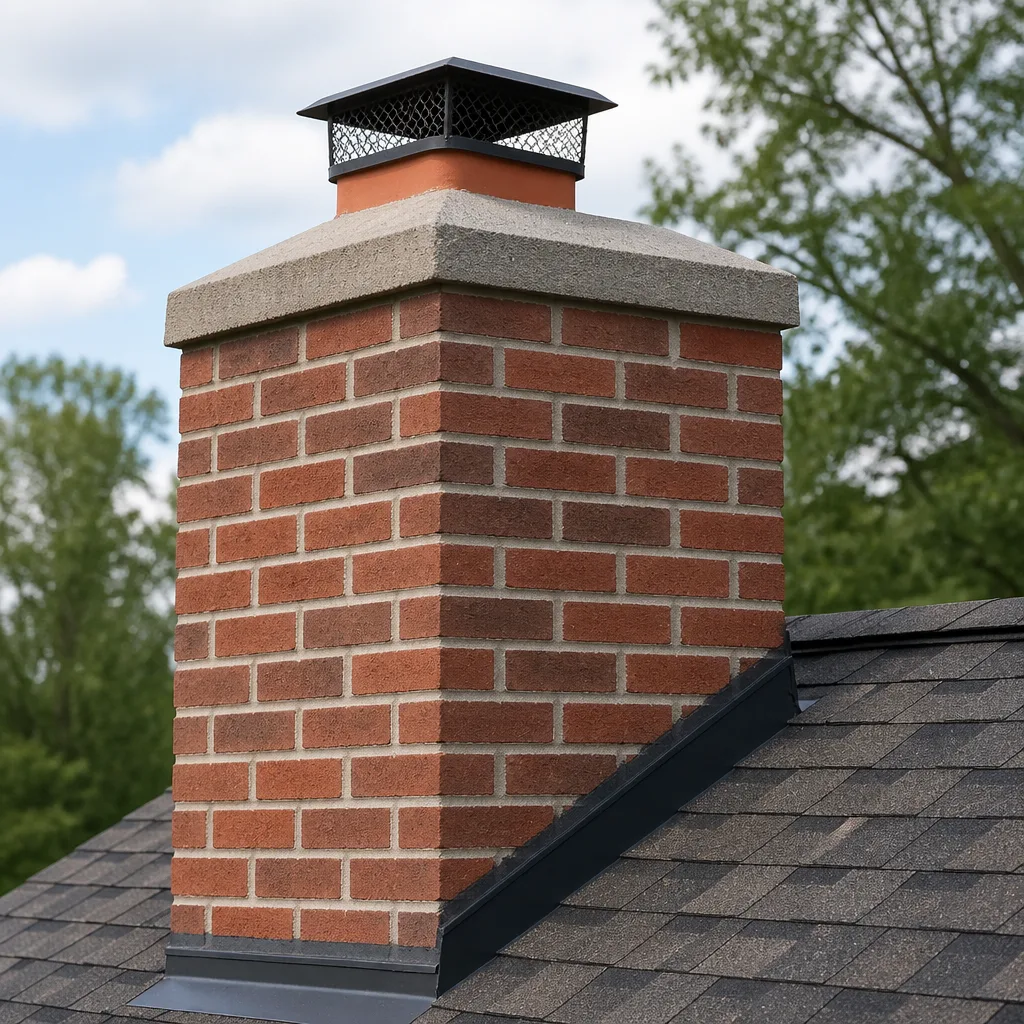 Masonry repair
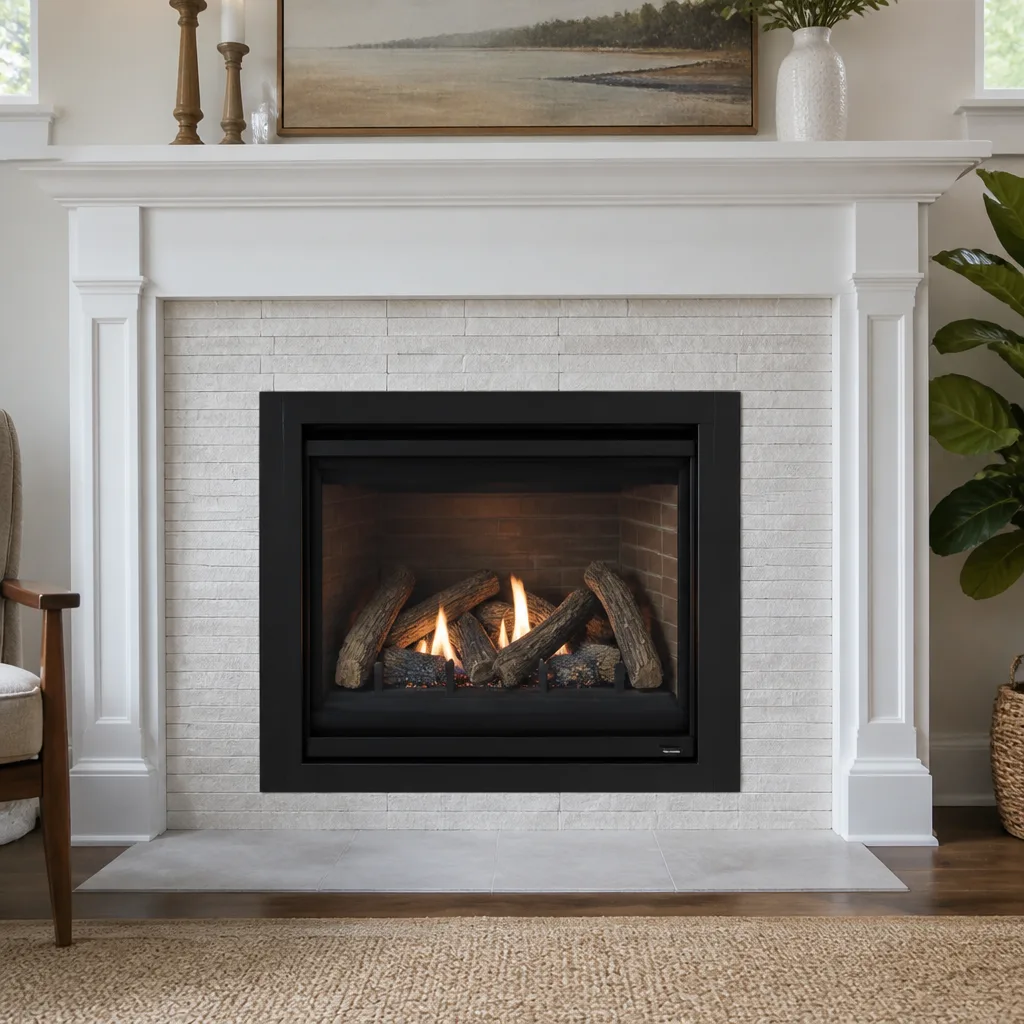 Gas fireplace service
Level 1 sweep and inspection to the NFPA 211 annual standard - flue, crown, cap, and flashing checked and photographed
Chimney sweep logs do not sweep chimneys. They loosen some creosote - which then falls where a brush and vacuum still have to collect it.
Chimney Cleaning Permits, Codes & Inspections in Central Park, CO: What You Need to Know
Most homeowners assume a chimney cleaning is the whole story. It isn’t. The sweep itself almost never needs a permit, but the liner replacement, crown rebuild, or masonry repair that a cleaning often uncovers may. That gap between what’s exempt and what’s regulated is where real trouble hides. If a contractor replaces your liner without pulling a permit, that work may never appear in your home’s record, and that silence surfaces the moment you sell or file a fire-related insurance claim. This guide maps the actual permit triggers in Colorado, explains what NFPA 211 requires, and shows Central Park homeowners how to tell the difference before work begins.
Quick Answer
In Colorado, routine chimney cleaning and inspection generally do not require a building permit, but liner replacement, structural masonry repairs, and new appliance connections usually do. Most Colorado jurisdictions reference NFPA 211, the national chimney standard, which mandates a Level 2 inspection after a chimney fire, an appliance change, a property sale, or any event that may have damaged the system. Always confirm permit requirements with the building department that has jurisdiction over your Central Park address before work starts.
Styles & brands we work with
- Sweep & inspection
- Caps & crowns
- Flue relining
- Masonry repair
- Gas fireplace service
Table of Contents
- What’s Permit-Exempt vs. What Triggers a Permit
- NFPA 211: The Standard Colorado Jurisdictions Reference
- What a Level 2 Inspection Actually Includes
- Adams County and Denver Metro Jurisdictions: Which Applies to You
- How Unpermitted Work Affects Homeowner’s Insurance
- What Documentation You Should Walk Away With
- How the Permit and Inspection Process Usually Goes
What’s Permit-Exempt vs. What Triggers a Permit
This is the distinction that matters most, and it’s the one most homeowners never hear explained plainly. Cleaning a flue and documenting its condition through an inspection are maintenance activities. They alter nothing structural. Repair and replacement work is different, because it changes the system’s components and, in some cases, how the chimney performs under fire conditions.
Permit-exempt work in Colorado typically includes:
- Routine sweeping of the flue and firebox
- Level 1, Level 2, and Level 3 inspections
- Removing creosote, soot, and debris
- Replacing a chimney cap with a like-for-like unit
- Minor firebox cleaning and ash removal
Work that commonly triggers a building permit includes:
- Flue liner replacement or installation of a new liner system
- Structural masonry repairs to the chimney stack or exterior
- Crown replacement that changes the structure
- Connecting a new wood stove, insert, or gas appliance to the flue
- Any change to the chimney’s height or footprint
For Central Park homeowners, the practical rule is simple: if the work changes a structural component or connects a new appliance, ask the permit question before the estimate is signed. The scope of a chimney sweep is maintenance. Liner work is construction. They live in different regulatory worlds, and knowing which one you’re in protects your home’s record.
One more point worth stating plainly: permit rules are set by the authority having jurisdiction, not by the contractor. A reputable contractor will tell you what’s required in your area and won’t dodge the question. If the answer is vague, that’s a signal.
NFPA 211: The Standard Colorado Jurisdictions Reference
NFPA 211, the Standard for Chimneys, Fireplaces, Vents, and Solid Fuel-Burning Appliances, is the national benchmark that local building codes lean on. Colorado doesn’t publish its own separate chimney code. Instead, jurisdictions adopt model codes and reference NFPA 211 for the specifics of chimney inspection and construction. That’s why the same standard applies whether you’re in Central Park or anywhere else along the Front Range.
What NFPA 211 requires is mostly about when an inspection must happen, not just how. Under the standard, a Level 2 inspection is required when any of the following occur:
- An appliance is changed, replaced, or added
- A property changes occupancy or ownership
- A chimney fire has occurred, whether or not damage is visible
- An event has occurred that may have damaged the chimney, such as a seismic event, a nearby fire, or severe weather impact
- There is visible evidence of a problem, such as cracking, deterioration, or blockage
NFPA 211 is also where the inspection levels come from. Level 1 covers readily accessible components without tools. Level 2 adds a video scan of the flue. Level 3 opens concealed areas when a hazard is suspected. The standard also specifies clearances to combustibles, which is why a chimney that “looks fine” can still fail compliance if a remodel brought framing too close.
In our experience, the most common Central Park scenario where NFPA 211 kicks in is a home sale. Buyers and their inspectors expect a Level 2 report, and sellers who don’t have one often end up ordering it under time pressure. Getting the inspection done on your own schedule is easier.
What a Level 2 Inspection Actually Includes
A Level 2 inspection is the documented, video-scanned assessment of the entire chimney system. It’s the inspection NFPA 211 requires for real estate transactions, after a chimney fire, after an appliance change, and after any event that may have impacted the system. It’s more than a look up the flue with a flashlight.
A proper Level 2 inspection covers:
- The firebox, damper, and smoke chamber
- The full length of the flue, examined with a camera
- The chimney exterior, crown, cap, and flashing
- Clearances to combustible materials in accessible areas
- The appliance connection and any venting components
- Attic, crawlspace, and other accessible areas where the chimney passes through
The output is documentation: a written report with photo and video evidence of what was found, including the condition of the flue liner, any cracks or gaps, creosote levels, and structural concerns. That documentation is the entire point. It’s what a buyer’s inspector wants to see, what your insurer may ask for after a claim, and what a contractor needs in order to quote repair work accurately.
We treat the inspection as a standalone service, so homeowners can buy a house, close a sale, or plan repairs with a real report in hand before any cleaning or repair is booked. If you’ve had a fire or a suspected event, the inspection comes first, not the sweep. Repairs follow only when the evidence justifies them, and we document what we found in every case. Ask us what we found; we’ll show you.
Adams County and Denver Metro Jurisdictions: Which Applies to You
Central Park sits near the boundary between Denver and Adams County, and address-level jurisdiction matters. The same street can fall under different building departments depending on which side of the line it sits. Denver and Adams County each administer their own permitting and inspection processes, and their requirements can differ on details like whether a liner replacement needs a permit and what documentation accompanies it.
Before you hire anyone for repair work, do this:
- Look up which county your address falls in using your property tax record or the assessor’s site.
- Call that jurisdiction’s building department and ask whether the specific scope of work requires a permit.
- Ask what inspections are required after the work and who schedules them.
- Get the answer in writing, even if it’s an email confirming the work is exempt.
If the contractor isn’t sure which jurisdiction applies, that’s not a reason to skip the question. It’s a reason to slow down. A contractor who routinely works in Central Park knows the boundary and knows which department to call. We verify jurisdiction before quoting repair work that could require a permit, because getting it wrong after the fact is expensive for everyone.
The other thing to know about the local building stock: much of Central Park’s housing was built within a fairly narrow window, which means similar construction details repeat across neighborhoods. That helps when planning repairs, but it doesn’t change the permit question. Jurisdiction is determined by address, not by house style.
How Unpermitted Work Affects Homeowner’s Insurance
Here’s the consequence most homeowners learn too late. If a liner is replaced or a chimney structure is altered without a permit, and a fire later occurs, an insurer may investigate whether the work was done to code. Unpermitted work can complicate a claim, delay payout, or in some cases become a coverage dispute. The policy language varies, but the underlying principle doesn’t: insurers care whether the work was done properly and documented.
This isn’t a scare tactic. It’s a documentation problem. When work is permitted, there’s an inspection record and a paper trail that shows the installation met code. When it isn’t permitted, the only record is the contractor’s word and whatever paperwork they handed over. If that contractor is out of business or unreachable, the homeowner carries the risk alone.
The same logic applies at resale. A buyer’s inspector who spots an unpermitted liner or a crown replacement with no record will flag it, and the seller has to answer for it, often under negotiation pressure. The fix at that point is a Level 2 inspection and possibly a re-inspection by the jurisdiction, which costs time and money.
Our recommendation is straightforward. Any work that changes a component of the chimney system, whether it’s a chimney cap & crown or a full liner, should come with a documented scope and, where required, a permit. We source liner components from DuraFlex and resurfacing materials from HeatShield, and we treat documentation as part of the job, not an extra. That’s how a repair holds up years later when someone asks questions.
What Documentation You Should Walk Away With
Every visit to your chimney should produce a paper trail, whether it’s a cleaning, an inspection, or a repair. If you don’t get documentation, you don’t have proof, and proof is what matters at resale, in an insurance claim, and when a future contractor needs to know what’s already been done.
For a cleaning, expect:
- A written summary of what was swept and what was found
- Before-and-after photos where relevant
- Creosote level noted, with a recommendation on timing for the next sweep
For an inspection, expect:
- A written report with a stated inspection level
- Photo and video evidence of the flue, firebox, crown, and cap
- A clear list of issues found, separated into categories: safety, code compliance, and maintenance
- A recommendation on what needs repair now and what can wait
For a repair, expect:
- A written estimate with line items and the final price set by that estimate
- Permit documentation where required
- A description of materials used, by brand and type
- Photos of the completed work
In our experience, this documentation is what separates a maintenance visit from a guess. If you’re considering a fireplace repair, ask what the documentation will look like before work starts. A contractor who can’t answer that question clearly probably doesn’t have a process.
How the Permit and Inspection Process Usually Goes
The permit process for chimney work is not complicated, but it has a sequence. Here’s how it typically runs when a permit is required:
- Inspection and scope. A Level 2 inspection documents the problem and defines the scope of repair.
- Jurisdiction check. The contractor confirms which building department has authority and whether the scope requires a permit.
- Permit application. The application is filed with the scope and, in many cases, a drawing or description of the work.
- Work performed. The repair happens to the scope of the permit. Changes in the field require an amended permit.
- Inspection. A jurisdiction inspector checks the work against code and the permit.
- Close-out. The permit is closed and the record is filed. You keep a copy.
What can go wrong is skipping step one or step two. When a homeowner hires a sweep and the contractor discovers a cracked liner mid-job, the temptation is to replace it on the spot with no inspection documentation and no permit. That’s where unpermitted work happens, and it’s the scenario that creates problems later.
We handle this by slowing down at the right moment. If a sweep uncovers a liner problem, we stop, document it, and offer an inspection if one hasn’t been done. Repair work is scheduled after the scope is clear and the permit question is answered. It’s less convenient for a day and much less expensive in the long run.
Also worth knowing: a permit has value even when the jurisdiction doesn’t require an inspection visit. The record in the file is the thing. It’s what a buyer’s agent pulls, what an insurer asks about, and what a future contractor reads before touching the system.
Common Mistakes to Avoid
- Assuming cleaning includes a permit. Sweeping and inspection are exempt. Skipping the question entirely is the mistake, because it means nobody checked whether the follow-on repair needs one.
- Letting a contractor replace a liner without documentation. If the work isn’t permitted and isn’t documented with photos and a written scope, your only record is a contractor’s promise. That’s thin ground at resale.
- Ordering a Level 2 inspection after the sale closes. Central Park sellers often order the inspection under contract pressure, which limits options. Get it done early.
- Confusing a cleaning with an inspection. A sweep cleans the flue. An inspection documents its condition with a camera and a written report. They’re separate services with separate purposes.
- Guessing at jurisdiction. Central Park straddles Denver and Adams County lines. A permit requirement for one address may not apply to the one next door, because different departments administer the code.
- Treating a post-fire chimney as “fine because it looks fine.” NFPA 211 requires a Level 2 inspection after a chimney fire whether or not there’s visible damage. Visible char is the smallest problem, not the biggest.
- Skipping permits to save time. The permit costs less than the problem it prevents. Unpermitted work shows up at resale and in insurance claims, and unwinding it is more expensive than doing it correctly the first time.
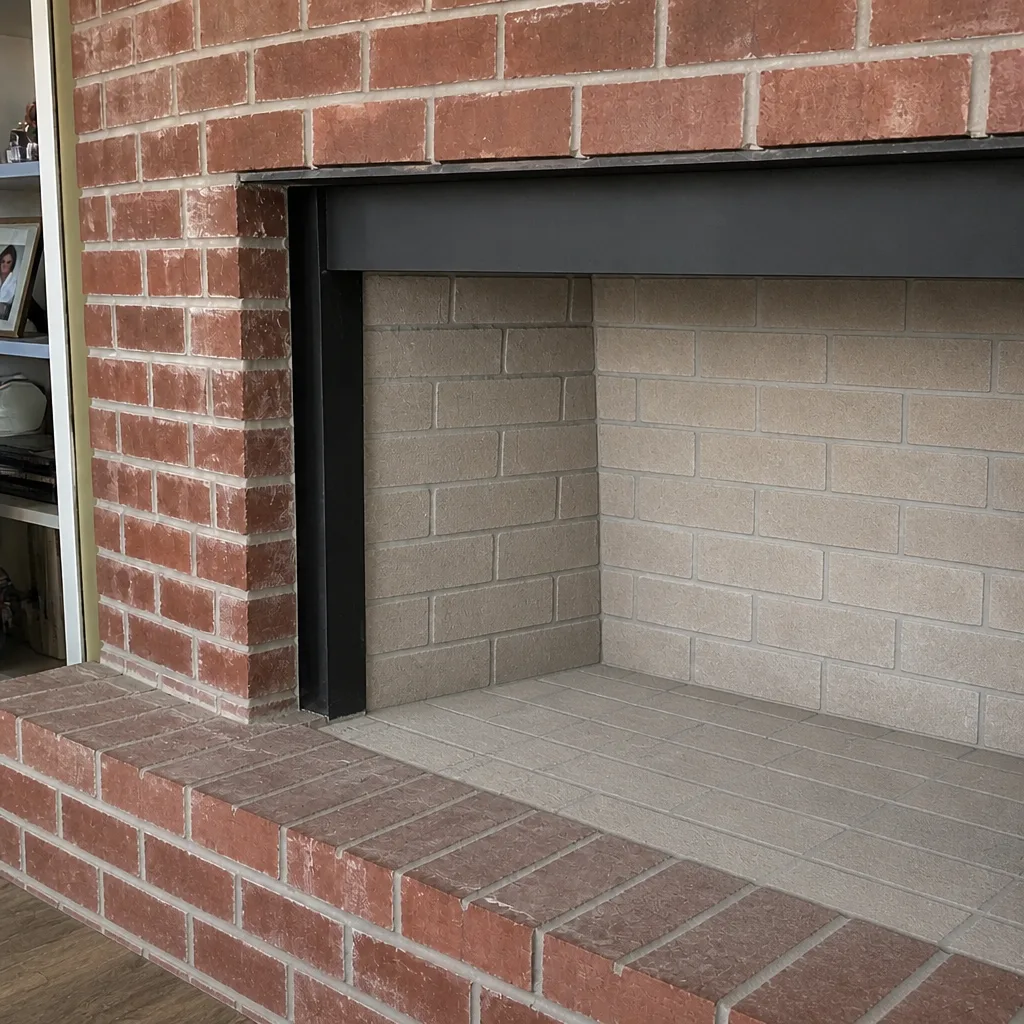
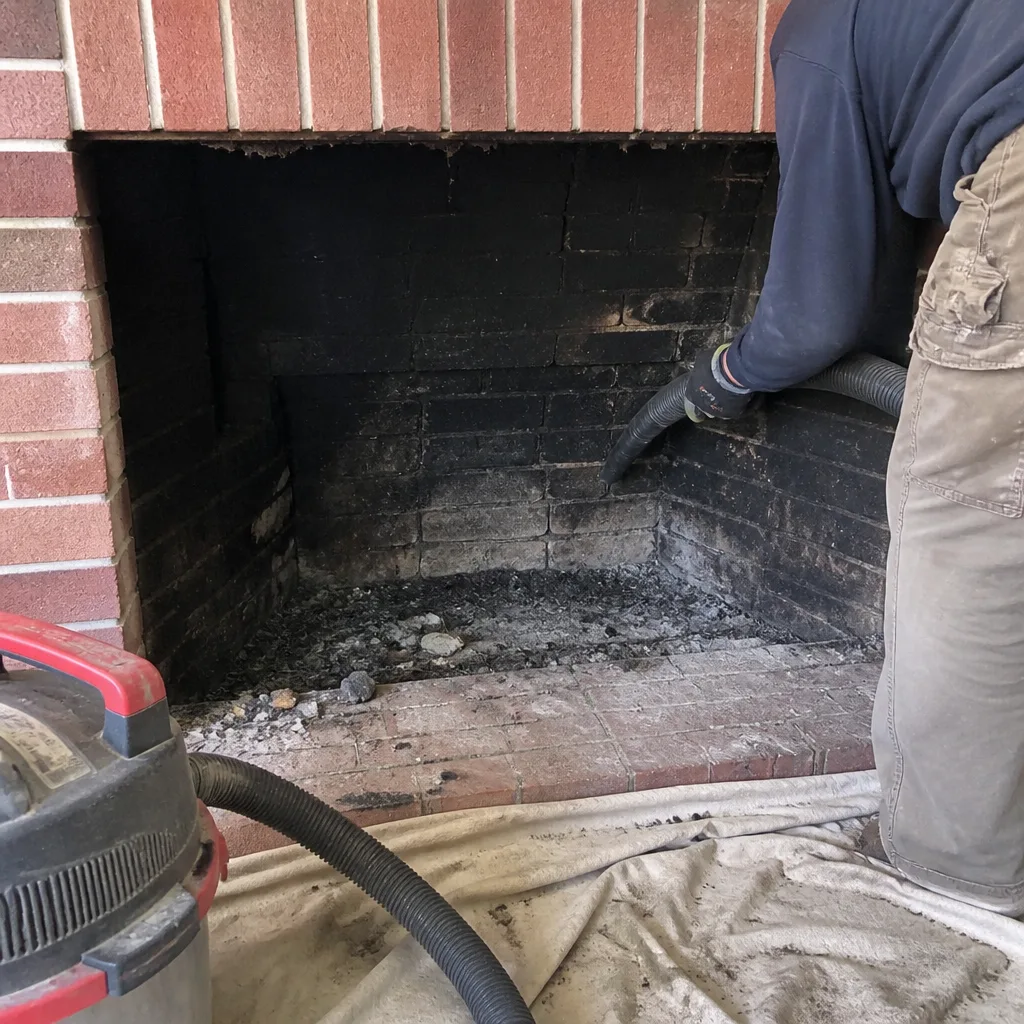
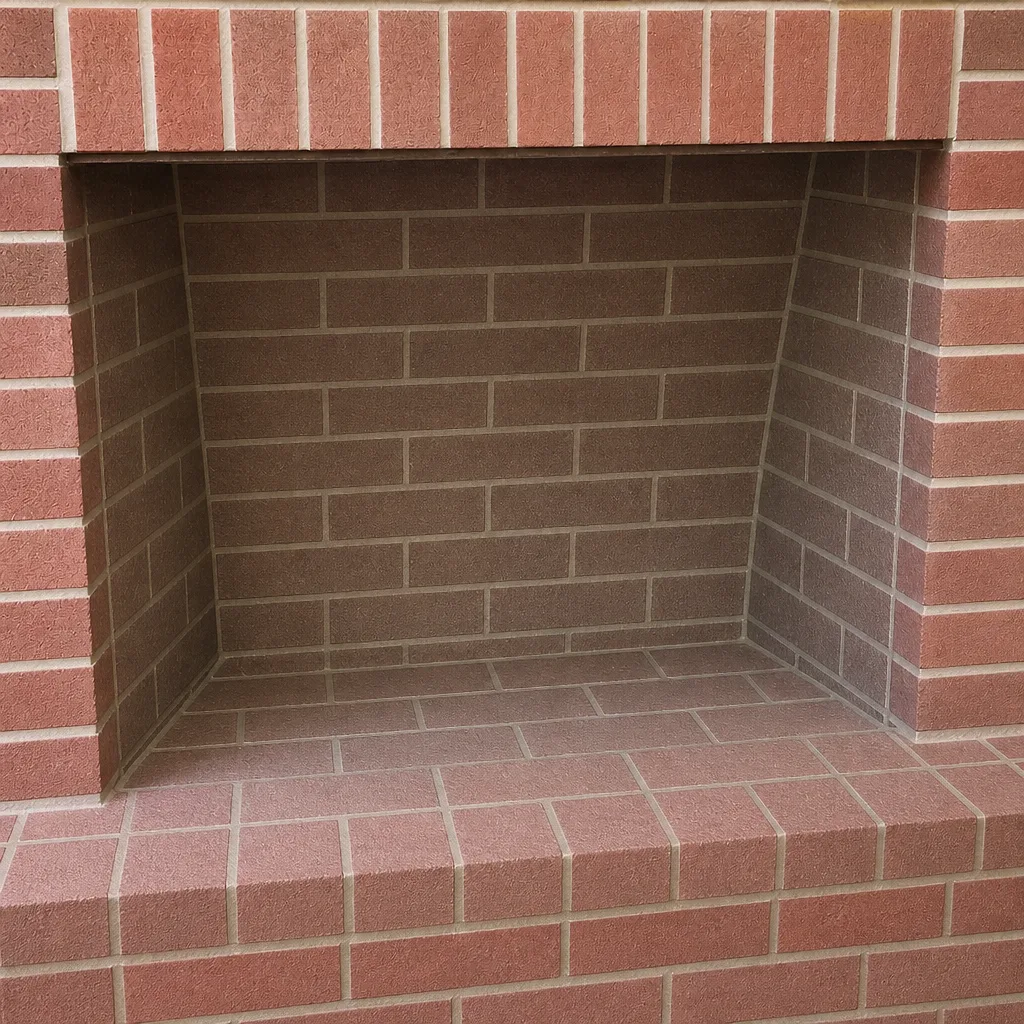
See the difference
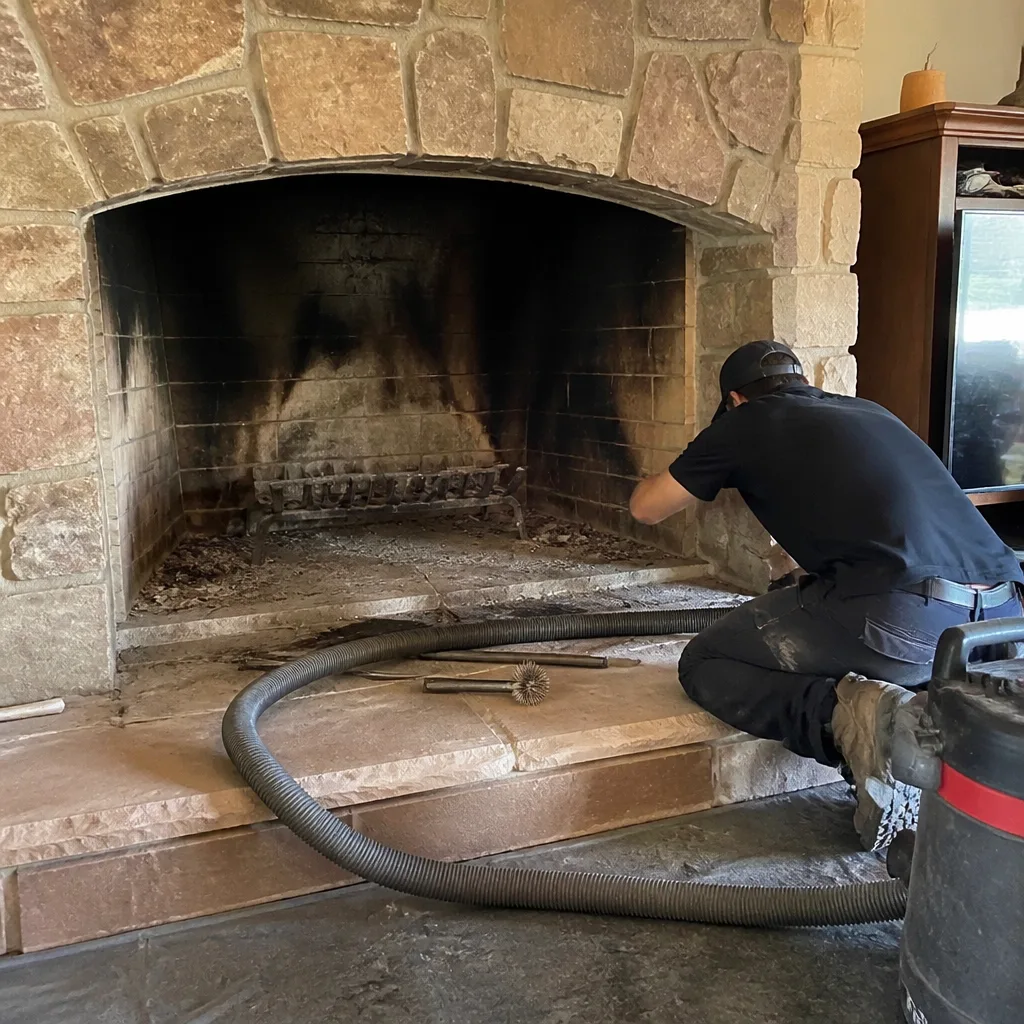 Before
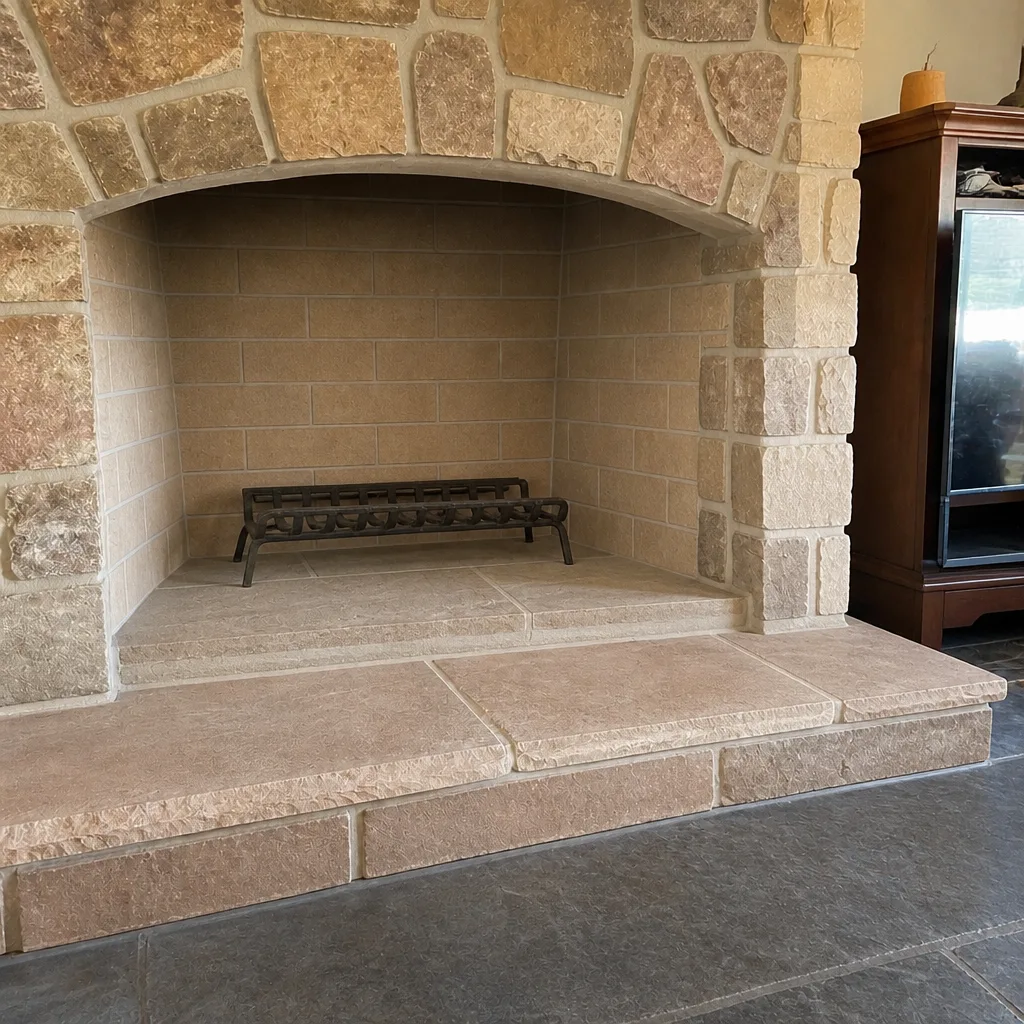 After
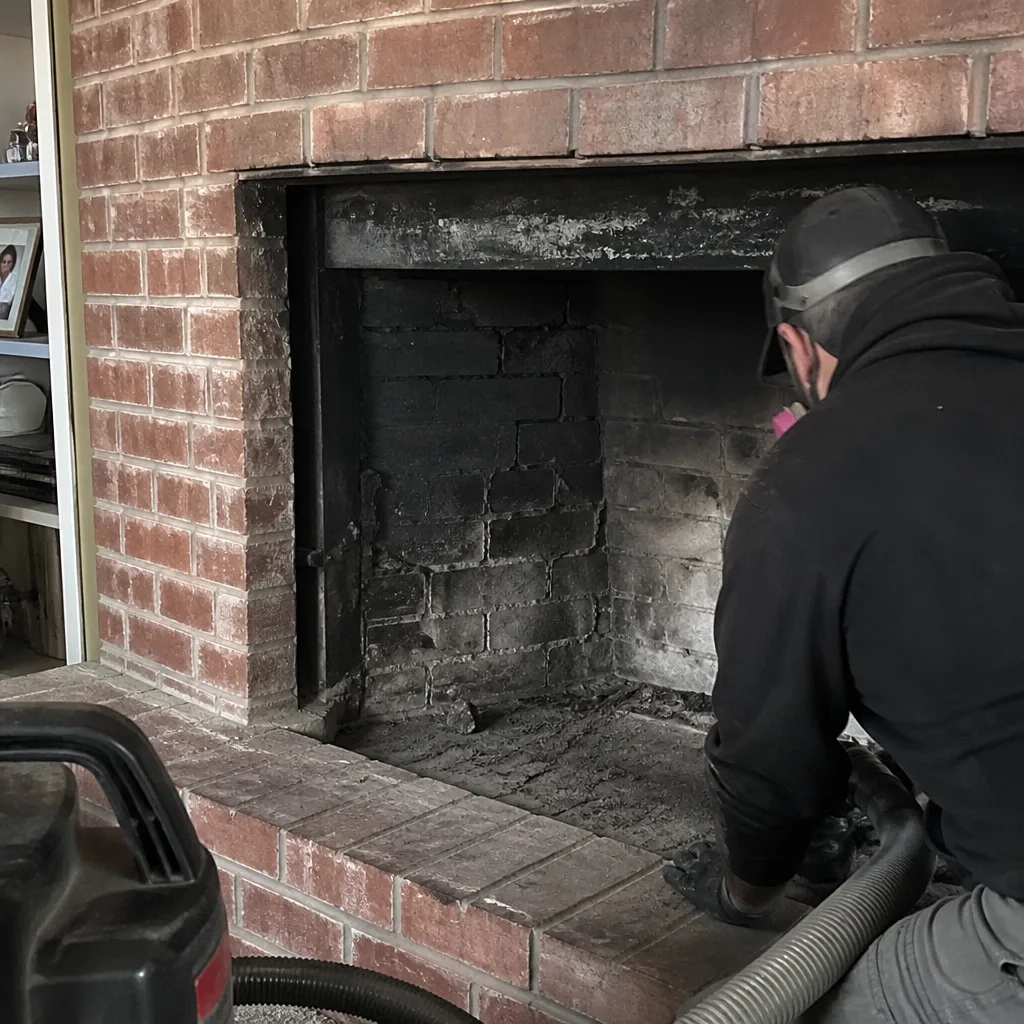 Before
 After
 Before
 After
When to Call a Professional
Call for a professional inspection when you buy or sell a home, change or add an appliance, have had a chimney fire, or notice cracking, staining, smoke spillage, or a persistent odor. Call for cleaning when creosote has built up to the point that it’s visible or the flue hasn’t been swept in a while. Call for a repair quote when an inspection has documented a liner defect, a damaged crown, or masonry deterioration. And call before you sign anything, because the permit question belongs at the start of the conversation, not the end.
Chimney Sweep Central Park offers free estimates in Central Park. Call (855) 550-7509. We answer 24/7. Fast dispatch from 7am to 7pm, Sunday through Friday. We inspect it, explain it, and fix it right the first time.
Frequently Asked Questions
No. Routine chimney cleaning and inspection are generally permit-exempt in Colorado. The permit question applies to repair and replacement work like liner installation, structural masonry repairs, and new appliance connections. Confirm with the building department that has jurisdiction over your address before repair work starts.
A Level 2 inspection is required after a chimney fire, after an appliance change, at a property sale or occupancy change, and after any event that may have damaged the system. NFPA 211 sets these triggers, and Colorado jurisdictions reference the standard. If any of those situations apply to your Central Park home, order the inspection before the cleaning or repair. Call (855) 550-7509 for an exact quote; estimates are free.
It depends on the address. Central Park sits near the Denver and Adams County boundary, and the two jurisdictions administer their own permits. Use your property tax record to confirm the county, then call that building department directly. We verify jurisdiction before quoting any repair that could require a permit. Call (855) 550-7509 to talk through your address before scheduling.
Yes. If work was done without a permit and a fire later occurs, an insurer may investigate whether it was done to code. Unpermitted work can complicate a claim or create a coverage dispute. Documentation is the safeguard: permitted work leaves an inspection record, while unpermitted work leaves only the contractor’s word.
Costs vary by inspection level and access, and the written estimate sets the final price. A Level 1 inspection is the least involved, and a Level 2 adds a video scan of the flue. We provide a free estimate for the inspection you need. Call (855) 550-7509 to book.
You can list without one, but a buyer’s inspector will usually flag it. NFPA 211 treats a property sale as a trigger for a Level 2 inspection, and buyers expect a report. Ordering it early avoids contract pressure and gives you time to address anything found before negotiations begin. Call (855) 550-7509 for an estimate.
The Bottom Line
Chimney cleaning is almost always permit-exempt. Liner replacement, structural repair, and new appliance connections usually aren’t. Colorado jurisdictions reference NFPA 211, which sets the inspection levels and the situations that require a Level 2: sales, appliance changes, chimney fires, and events that may have damaged the system. Central Park straddles Denver and Adams County lines, so confirm which department governs your address before repair work starts. And keep the paperwork. Permits and inspection reports are what protect you at resale and in an insurance claim. If any of this sounds like your situation, call before you book the work.
Chimney Sweep Central Park handles sweeping, inspection, and repair as one accountable scope, from the firebox to the cap. We work with DuraFlex and HeatShield components and document every inspection so you can see what we found. Call (855) 550-7509 for a free estimate. We answer 24/7. Fast dispatch from 7am to 7pm, Sunday through Friday.
For a full picture of how we work, start at Chimney Sweep Central Park.
Written by the team at Chimney Sweep Central Park.