
Last updated November 24, 2026
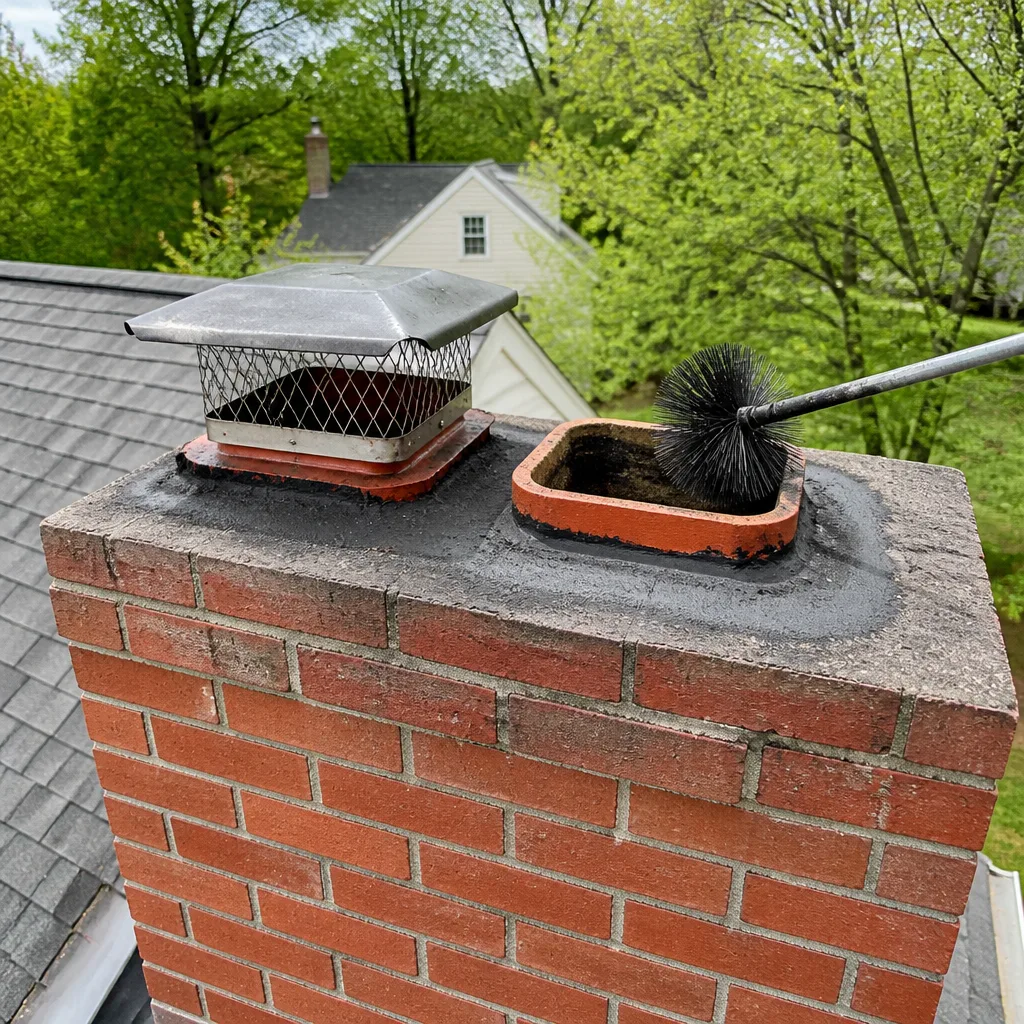 Sweep & inspection
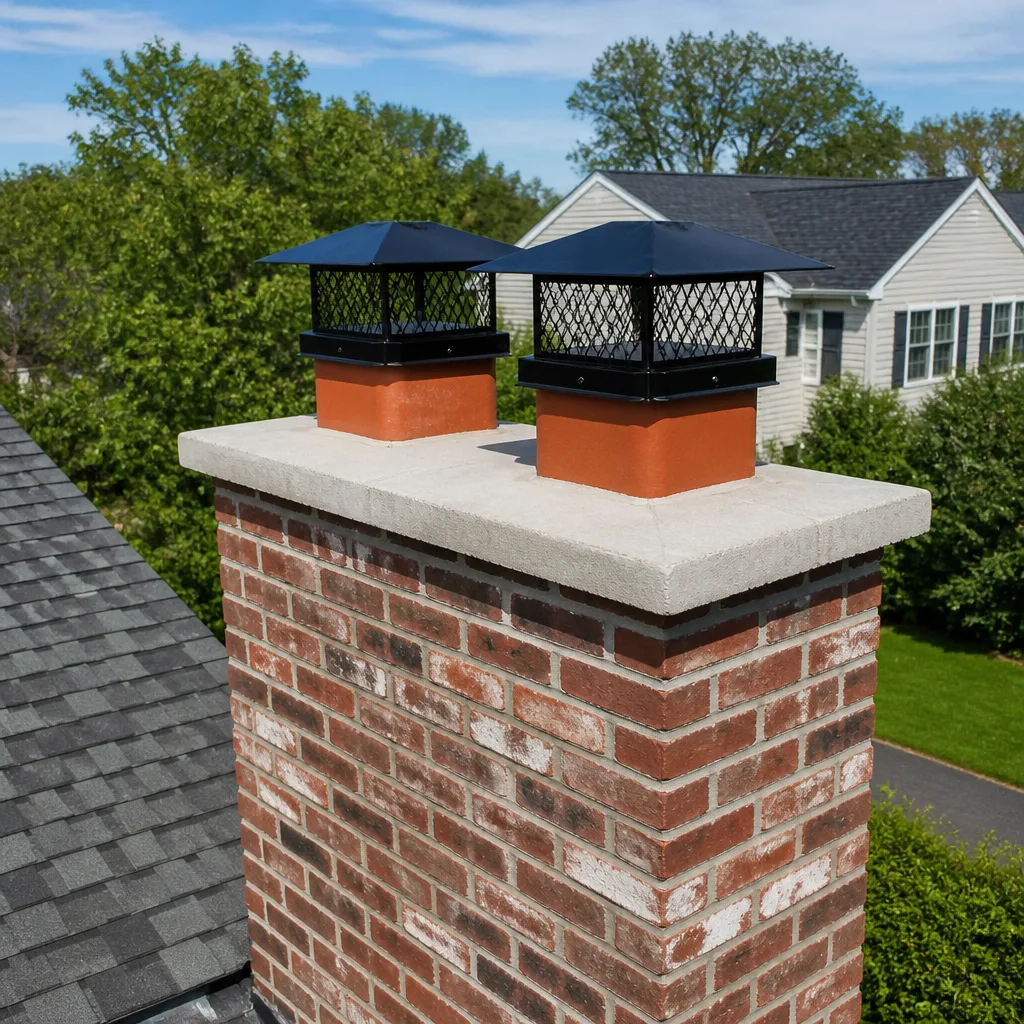 Caps & crowns
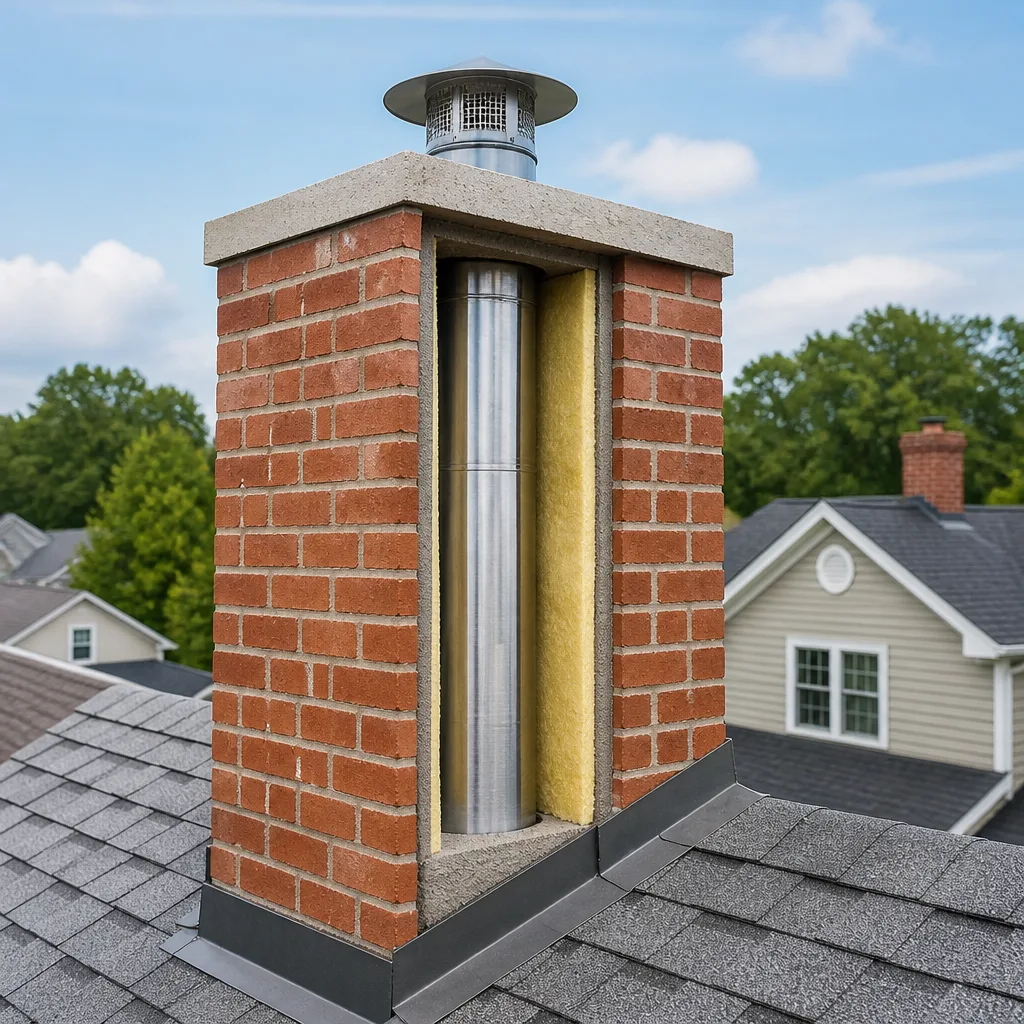 Flue relining
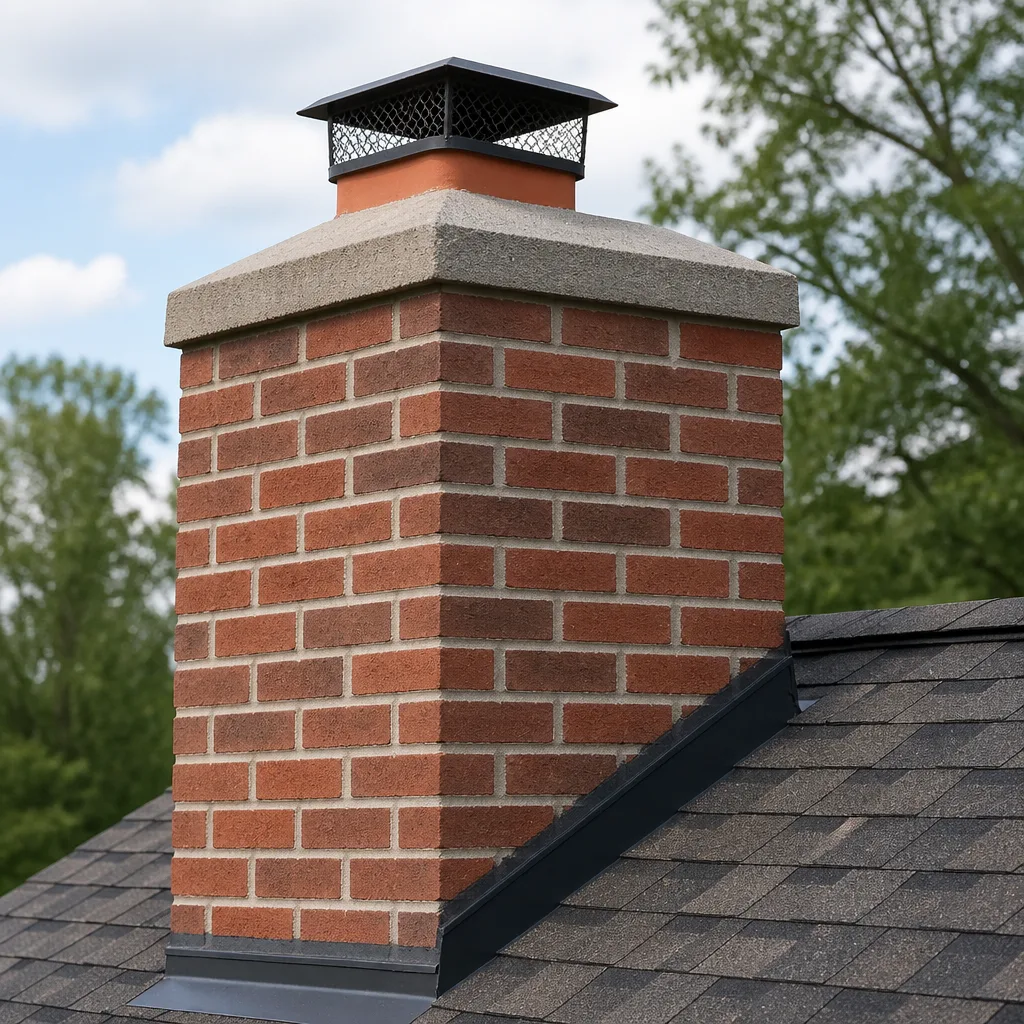 Masonry repair
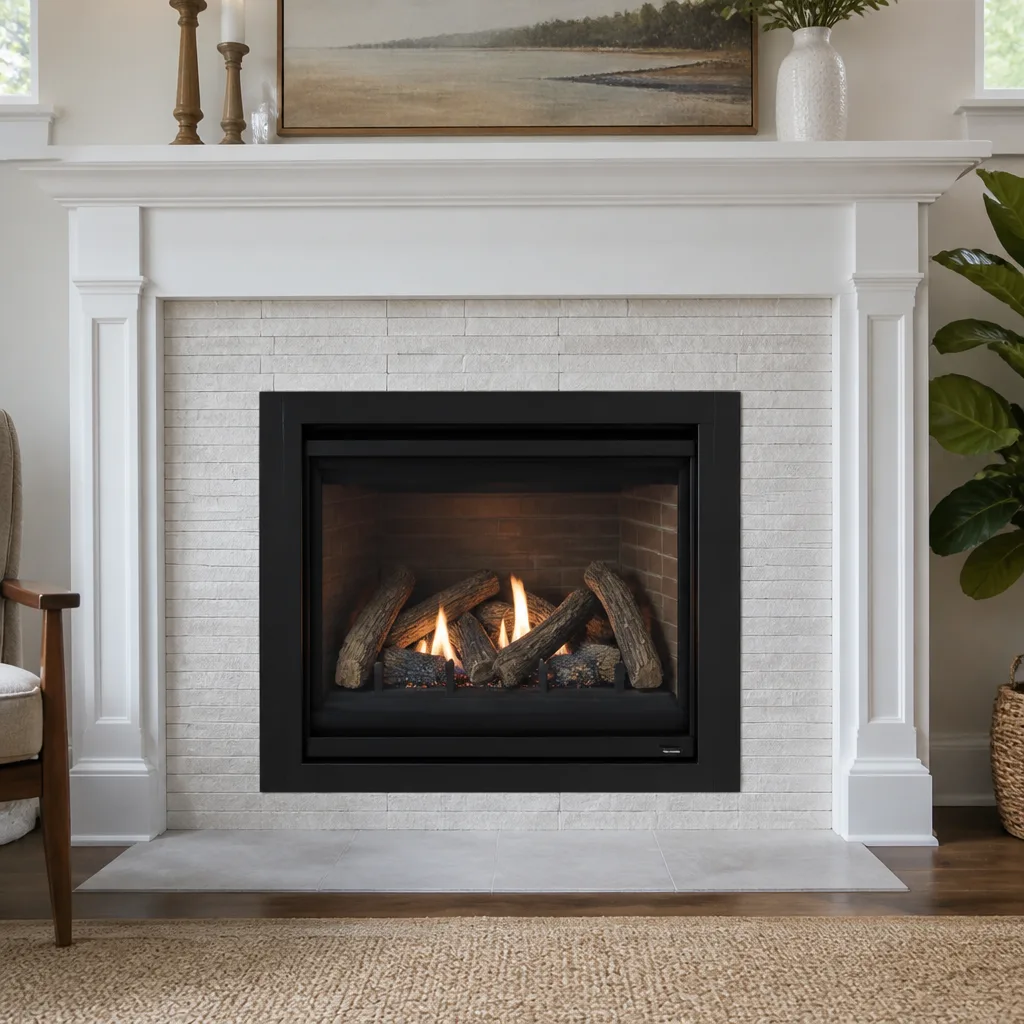 Gas fireplace service
Level 1 sweep and inspection to the NFPA 211 annual standard - flue, crown, cap, and flashing checked and photographed
Chimney sweep logs do not sweep chimneys. They loosen some creosote - which then falls where a brush and vacuum still have to collect it.
Seasonal Chimney Cleaning Care for Central Park: Year-Round Homeowner’s Guide
Most homeowners in Central Park think about their chimney once a year, usually in October, usually after the first cold snap. That timing gets the danger backwards. Spring is the hardest season on a Central Park chimney. Freeze-thaw cycles in March and April work their way into mortar joints and hairline cracks faster than any other stretch of the year, and by the time the first fire of fall gets lit, that damage has had six months to deepen. This guide lays out what actually happens to a chimney across all four seasons in Central Park, what to check and when, and how a year-round rhythm keeps small problems from turning into liner and masonry work. You’ll get a month-by-month calendar built for this climate, not a generic Colorado checklist.
Quick Answer
Seasonal chimney care in Central Park means inspecting for water and freeze-thaw damage in spring, protecting the flue from humidity and wildlife in summer, doing a full pre-season inspection and sweep in fall, and watching for draft and condensation signals in winter. A cheap annual sweep at the last minute misses the two seasons that cause the most cumulative damage. The goal is a safe, structurally sound chimney year-round, with cleaning as the starting point rather than the whole job.
Styles & brands we work with
- Sweep & inspection
- Caps & crowns
- Flue relining
- Masonry repair
- Gas fireplace service
Table of Contents
- Spring: The Season That Quietly Damages Most Central Park Chimneys
- Summer: Humidity, Creosote Hardening, and Animal Intrusion
- Fall: The Pre-Season Inspection That Actually Matters
- Winter: Backdrafts, Poor Draw, and Condensation Signals
- Month-by-Month Chimney Calendar for Central Park
- Why Central Park’s Elevation and Climate Change the Schedule
- Step-by-Step: A Full Year of Chimney Care
- Common Mistakes to Avoid
- When to Call a Professional
- Frequently Asked Questions
Spring: The Season That Quietly Damages Most Central Park Chimneys
Spring is the most damaging season for a chimney in Central Park, and almost nobody looks at one until October. The reason is freeze-thaw. Through March and April in Central Park, daytime temperatures climb above freezing and drop back below it overnight, sometimes for weeks. Water that has soaked into mortar joints, the crown, or a hairline crack in the flue expands when it freezes and pushes the material apart a little further. Then it thaws, seeps deeper, and freezes again. That cycle repeats dozens of times in a single spring. It opens mortar joints in exterior masonry faster than any other weather pattern we see, and it does the same thing to a chimney crown once the crown has lost its seal.
What spring actually does to a central Park chimney
- Crown cracking. Flat crowns that shed water correctly hold up. Ones with a hairline crack let meltwater in, and the next freeze widens the crack into a real opening.
- Mortar joint erosion. South and west-facing masonry dries fastest by day and freezes hardest by night, so those faces tend to show joint damage first.
- Flue liner cracks. Clay flue tiles don’t expand and contract the way masonry does, so a freeze-thaw cycle can open a crack that wasn’t visible before winter.
- Water staining inside the firebox. A brownish streak on the firebox brick in spring is the most reliable sign that water got in somewhere above it.
Post-winter is the best time to find flue cracks, because the damage is fresh and the weather still lets us work on the roof without snow or ice in the way. A crack found in April is a small repair. The same crack found in October has had a summer of humidity and a full burn season to get worse. A proper inspection in spring, before the first summer storm season, gives you a full picture of what winter did. If the firebox or damper has issues, that’s often the moment to sort out fireplace repair rather than wait for fall.
Summer: Humidity, Creosote Hardening, and Animal Intrusion
Summer looks like the safe season for a chimney, and for fire risk it mostly is. The risks that build in summer are different, and they’re easy to miss because nobody’s using the fireplace. There are three: creosote hardening in an unused flue, humidity driving moisture into masonry, and wildlife finding an open chimney cap or a missing screen.
Creosote doesn’t take the summer off
Creosote left in a flue from the previous winter goes through a slow change in warm, humid air. The lighter, flaky deposits that a sweep can brush out easily in spring become harder and more glazed as summer humidity works on them. By fall, what was a straightforward sweep can turn into something that needs more time and care to remove. This is the practical argument for sweeping in late spring rather than waiting. It’s not that summer makes a chimney dangerous on its own; it’s that creosote hardening over a humid summer makes the fall job harder than it needs to be.
Animals and the chimney cap problem
An open flue is a chimney swift or squirrel’s idea of a good nesting spot, and Central Park’s tree cover and open space make that a real summer pattern. A cap with an intact screen stops it. A cap that’s rusted through, dented, or missing its screen doesn’t. The fix is a proper cap and screen, not a piece of hardware cloth wedged on top. We install chimney cap & crown components from Gelco and Famco, which are built as weatherproofing hardware rather than improvised covers. During summer, check that the cap is still attached and the screen is intact. That’s a two-minute look from the ground with binoculars.
Humidity and masonry
Summer humidity in Central Park is moderate, but it’s enough to keep a compromised crown or a cracked mortar joint wet for long stretches. Wet masonry doesn’t fail immediately. It fails at the next freeze. Sealing a crown or repointing a joint in summer, while the weather is dry and workable, means the repair has time to cure before the freeze-thaw season comes back around. That timing is one of the biggest reasons a summer inspection pays off.
Fall: The Pre-Season Inspection That Actually Matters
The fall inspection is the one most homeowners already know about, but the scope is where people get it wrong. A fall visit that stops at “swept and done” misses the parts of the system that decide whether the heating season goes safely. A real pre-season inspection in Central Park covers the whole system, from the firebox floor to the chimney cap. Here’s what that includes:
- Creosote stage assessment. We check how much creosote is in the flue and what stage it’s in. Stage one brushes out easily. Stage two is denser and takes more work. Stage three is glazed and hard, and it means the flue needs more than a brush. Knowing the stage tells you whether you’re safe to burn and how urgent the sweep is.
- Damper check and sealing. A damper that doesn’t close fully lets heated room air escape up the flue all winter. That’s money out the chimney. A damper that’s stuck open or stuck closed is also a safety issue. We test it and tell you if it needs repair or replacement.
- Smoke shelf and smoke chamber cleaning. The smoke shelf sits just above the damper and collects soot and debris that a top-down brush won’t reach. A dirty smoke shelf causes smoke to spill into the room rather than go up the flue.
- Flue liner inspection. A camera inspection of the flue finds cracks, gaps, and missing mortar joints that you can’t see from the firebox. If the liner has failed, we document it and show you the photos.
- Crown and cap check. We look at the crown for cracks and the cap for damage. Both are the first line of defense against water and wildlife.
- Exterior masonry review. We check mortar joints and brick faces on the chimney exterior for signs of movement or spalling.
Waiting until the first fire of the season to notice a problem is too late. By then you’ve either already burned with a compromised liner, or you’re stuck trying to schedule a repair in the middle of the busy season. A fall inspection done in September or early October leaves time to address whatever it finds before you need the fireplace. That’s why we treat inspection as a standalone service, so you get a documented system assessment before you buy, burn, or repair.
Winter: Backdrafts, Poor Draw, and Condensation Signals
Winter is when the chimney gets used, and it’s also when problems that built through the other three seasons show up as symptoms. Three winter symptoms in particular tell you something that cleaning alone won’t fix: cold backdrafts, inadequate draw, and condensation inside the flue. All three are signals that the system has a structural or design issue, not just a dirt issue.
Cold backdraft
A cold backdraft is smoke or cold air pushing down the chimney and into the room before the fire is established, or when the fireplace isn’t in use. In Central Park’s cold winter mornings, a chimney that’s cold and a house that’s under negative pressure (from a kitchen fan, a bathroom fan, or a furnace pulling air) can push air down the flue. Some backdraft on a cold start is common and eases once the flue warms. Persistent backdraft, or backdraft that happens with the fire already burning, is a draw problem. It could be a flue that’s too short, too large for the fireplace opening, blocked by debris, or missing a cap that would help the draft. Cleaning doesn’t fix it. Diagnosis does.
Inadequate draw
Inadequate draw means the fireplace smokes into the room instead of drafting up the flue. It’s often worse in a tightly built, well-insulated house, because there isn’t enough make-up air getting in. If your fireplace smokes on windy days, or smokes more than it used to, the fix is a diagnosis of the whole system: flue size, cap, smoke shelf, and the air balance in the house. A sweep alone won’t solve it.
Condensation and moisture
In winter, warm moist air from the house hits a cold flue and condenses. That’s normal in small amounts. What’s not normal is heavy condensation that runs down the flue and shows up as staining or a musty smell at the firebox. It can mean the flue is unlined, the liner is cracked, or the cap isn’t keeping weather out. Moisture inside a flue combined with creosote is what makes creosote more corrosive to the liner. If you see staining or smell damp creosote in winter, that’s a signal to get the flue inspected before the next burn season.
When the diagnosis points to a failed liner, that’s where materials matter. We install DuraFlex liner systems where a flue needs a new liner rather than a patch, and we use HeatShield for ceramic resurfacing when the flue can be restored rather than relined. Those are the two routes a damaged flue usually takes, and knowing which one fits your chimney is what a proper inspection tells you.
Month-by-Month Chimney Calendar for Central Park
This calendar is built for Central Park’s specific pattern: a late, wet spring freeze-thaw season, a moderate but humid summer, a short fall, and cold winters with occasional high-wind days coming off the foothills. It’s not a generic Colorado schedule. The point is to put the right task in the right month so you’re never reacting to damage after it’s already done.
- January. Burn season, watch for smoke spillage, backdraft, or a sudden drop in draw. Note anything unusual for the spring inspection.
- February. Mid-winter check from the ground: is the cap still attached? Is there snow or ice damming at the chimney base? Note it.
- March. Freeze-thaw starts. Look at the chimney exterior for new cracks or spalling. This is the first month to schedule a spring inspection.
- April. Peak freeze-thaw damage month in Central Park. Best window for a full inspection to catch winter’s damage while it’s fresh and before summer humidity sets in.
- May. Late-spring sweep if you didn’t do it in April. Creosote is still soft and easy to remove. This is the ideal sweep month for the year.
- June. Check the cap and screen for nesting wildlife. Any crown repair or repointing that needs to cure over dry weather should get scheduled.
- July. Summer humidity peaks. Confirm the crown seal and mortar joints are sound so summer moisture doesn’t soak in. Check for water staining at the firebox.
- August. Last call for any liner or cap work before the fall schedule fills up. Check damper operation now, not in October.
- September. Full pre-season inspection: creosote stage, liner, damper, smoke shelf, crown, cap, exterior masonry. Leave time for repairs before first burn.
- October. Final pre-burn checks. If September found anything, this is the month to complete the repair. Burn season typically starts late in the month.
- November. First fires. Watch for backdraft and draw problems. If the fireplace smokes, don’t push through it; get it diagnosed.
- December. Peak burn season. Keep an eye on the cap for ice and snow buildup, and watch for water staining or a musty smell that signals condensation.
Two months do most of the work in this calendar: April and September. April catches what winter did. September makes sure the system is ready before you need it. The other ten months are about protecting the repairs and watching for signals, not about scheduling another sweep.
Why Central Park’s Elevation and Climate Change the Schedule
Central Park sits in the Denver basin at roughly a mile of elevation, and that changes how a chimney behaves compared to lower-altitude parts of the country. Two things matter most here. First, the freeze-thaw cycle. At this elevation, spring days can swing from well above freezing to below freezing overnight for weeks on end. That’s the driving force behind the mortar joint and crown damage we see in spring. Second, winter wind off the foothills. Central Park gets wind events that other Front Range neighborhoods don’t feel the same way, and wind is the single biggest cause of backdraft and draw problems in a fireplace. A chimney that drafts fine on a calm day can smoke on a windy one.
Summer humidity is moderate compared to the East Coast, but the dry, warm air in summer lets masonry dry out between storms, which is why summer is the right season to do crown and joint repairs. They cure well. The fall window in Central Park is short. The first hard freeze often arrives before the leaves are fully down, so an inspection booked for late October is risky. September is the safe month. And winters at this elevation include enough very cold mornings that the cold-flue backdraft issue is more than a nuisance; it’s the top complaint we hear from homeowners who relocated from lower altitudes.
If the firebox itself is showing cracks in the brick or the firebox floor is wearing through, winter cold and summer humidity together speed that up. Firebox repair is one of the pieces of fireplace repair we handle as part of a full-system chimney assessment, and it’s the kind of thing that’s much simpler to fix in summer than in the middle of a cold snap. Central Park homes with older masonry chimneys are especially worth checking in summer, before the freeze-thaw season comes back around.
Step-by-Step: A Full Year of Chimney Care
If you want the short version of this guide, here it is as a numbered plan you can run through over a year. It puts the high-value work in the right season and leaves the low-effort checks spread through the rest.
- Schedule a spring inspection in March or April. This catches freeze-thaw damage while it’s fresh, and it’s the best window to find liner cracks before they worsen. It’s the single highest-value move in the whole year.
- Book the annual chimney sweep for late April or May. Creosote is softest and easiest to remove in late spring, before summer humidity hardens it. A proper chimney sweep in spring also includes a visual check of the flue.
- Inspect and repair the crown and cap in late spring or early summer. Cracked crowns let water in; a missing or damaged cap lets wildlife and weather in. Fix both while the weather is dry enough for materials to cure.
- Do a mid-summer ground check. Binoculars at the chimney from the yard: cap still on, screen intact, no obvious spalling or new cracks. Look for water staining at the firebox.
- Schedule the fall pre-season inspection for September. Full scope: creosote stage, liner, damper, smoke shelf, crown, cap, exterior masonry. Document everything.
- Complete any repairs the September inspection found in early October. Leave the rest of the month for the first burn and any fine-tuning.
- Monitor through winter. Note any backdraft, smoke spillage, drop in draw, or damp smell. These are the winter symptoms that cleaning won’t fix and that point to a structural problem.
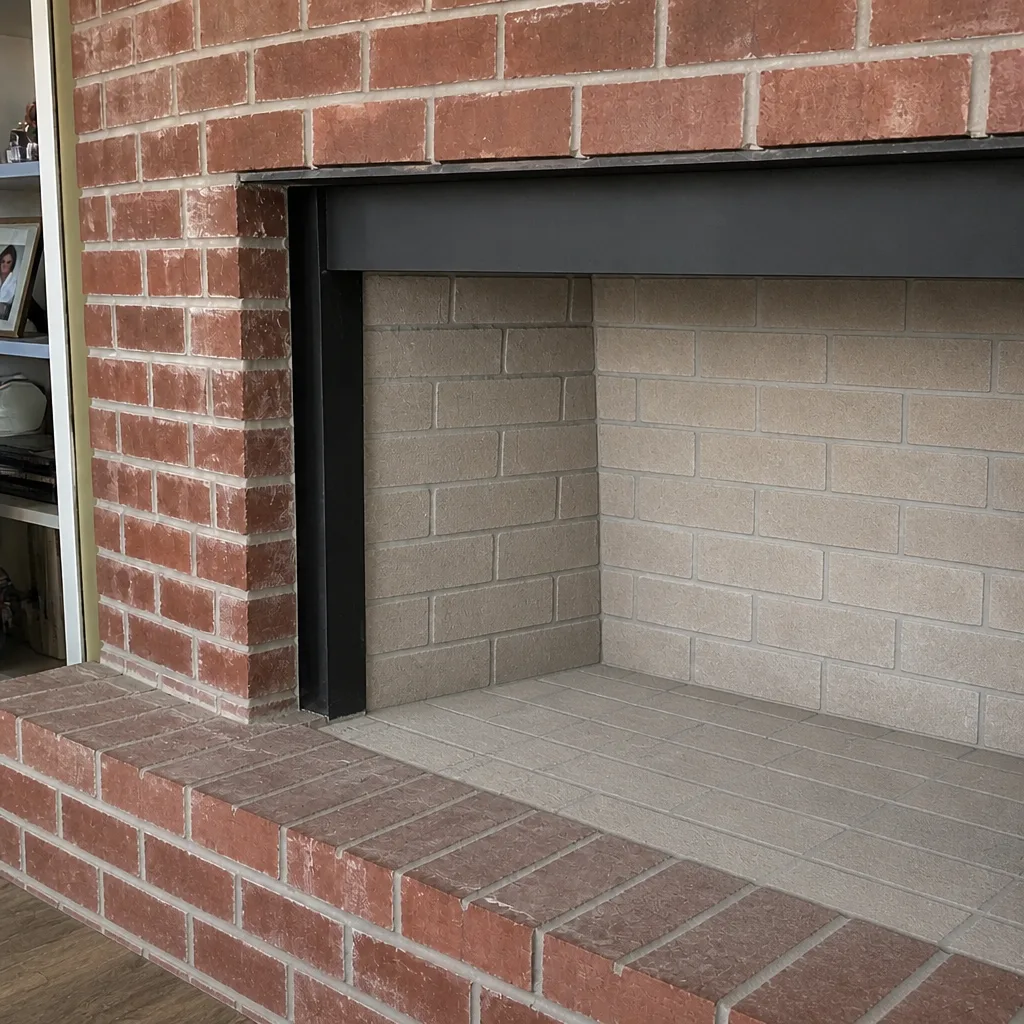
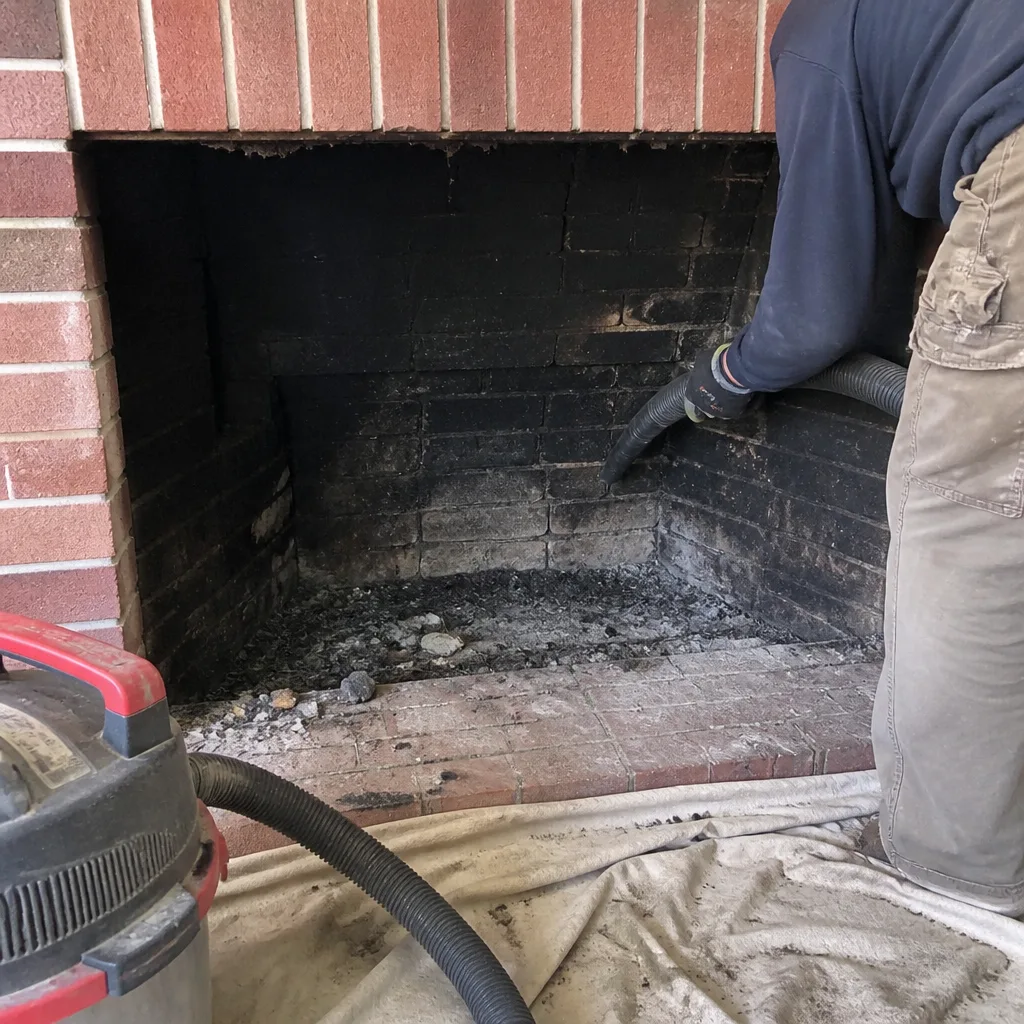
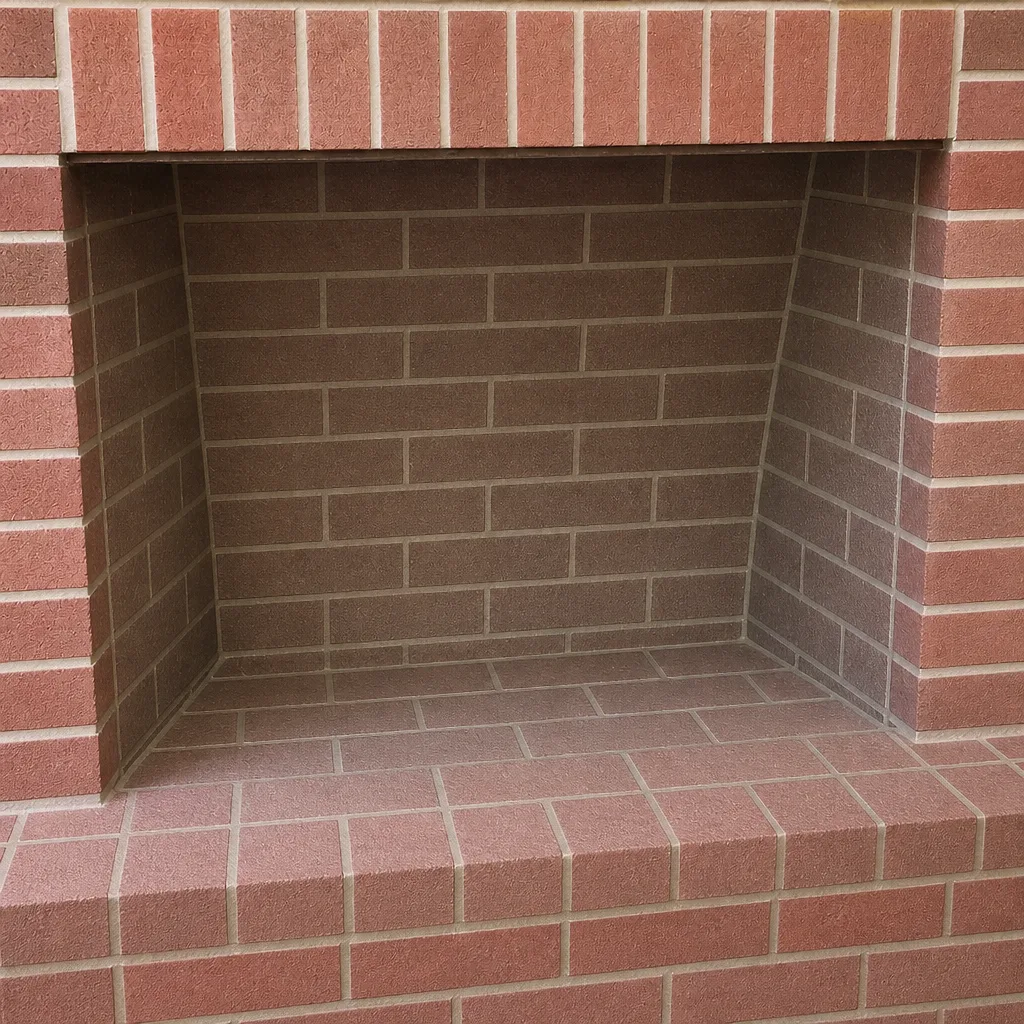
See the difference
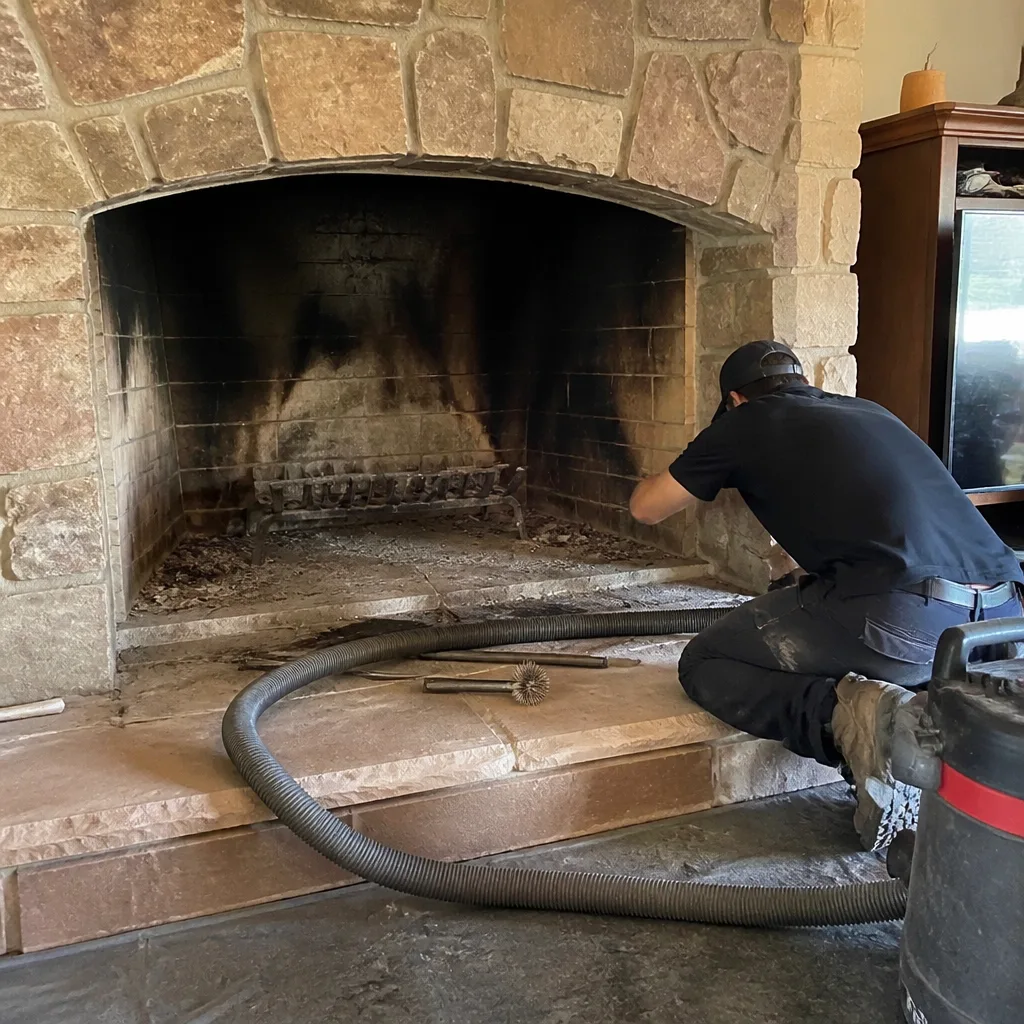 Before
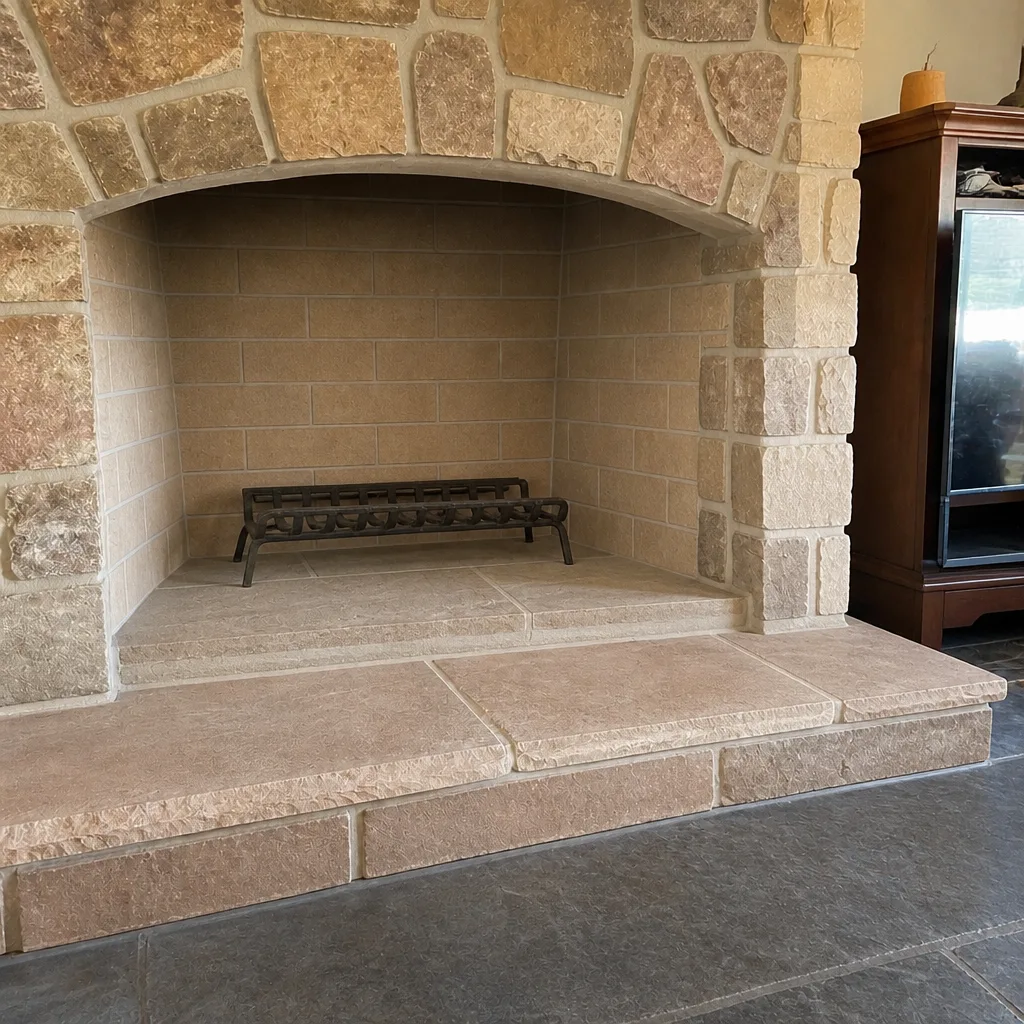 After
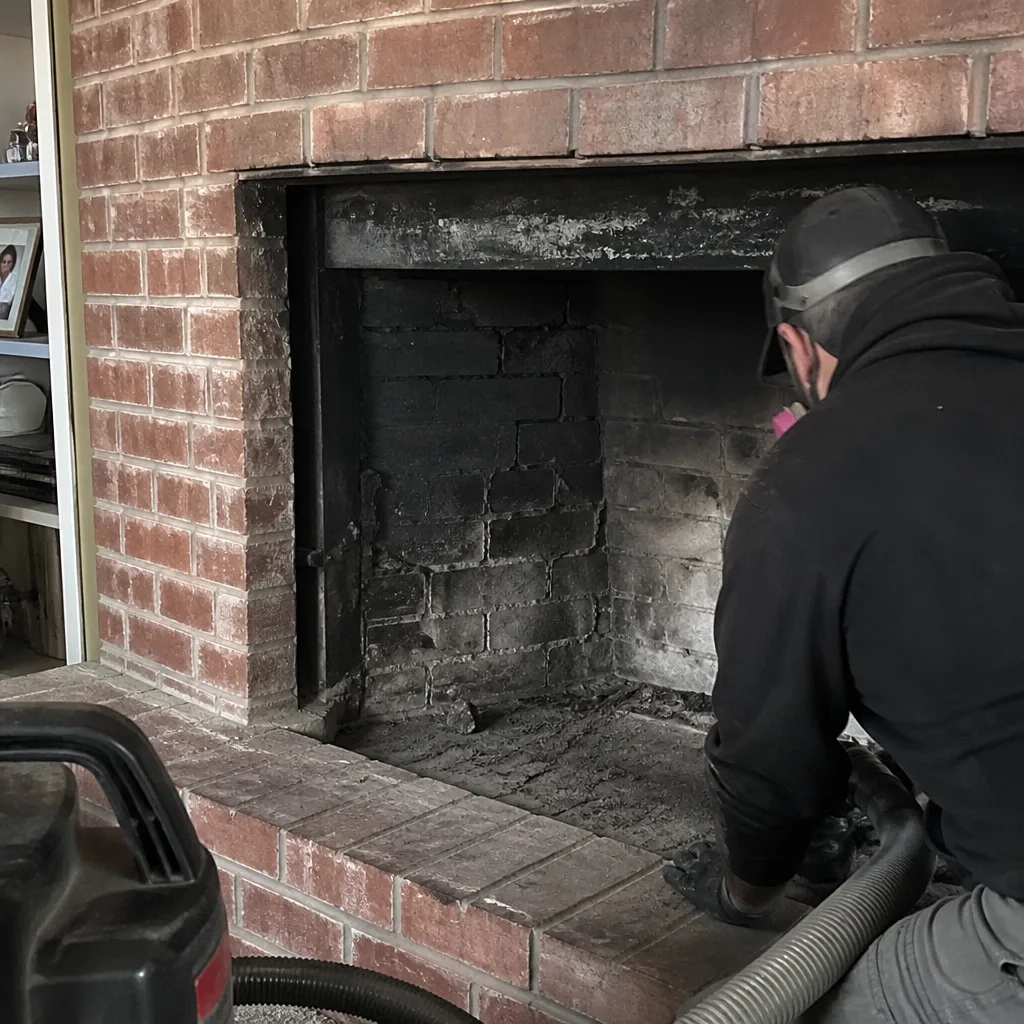 Before
 After
 Before
 After
Common Mistakes to Avoid
- Waiting until October for everything. By fall, freeze-thaw damage has already happened, and the repair window is short. Spring and summer are when the work actually gets done cheaply.
- Treating a sweep as a full inspection. A sweep cleans the flue. It doesn’t necessarily assess the crown, cap, liner, damper, or smoke shelf. Ask for a documented inspection, not just a brush.
- Ignoring a cracked crown because “it’s just a little crack.” In Central Park, a small crown crack that gets freeze-thawed repeatedly becomes a structural opening. Small crown repairs are the cheapest work in this guide.
- Skipping the cap or fitting an improvised one. A cap without a proper screen doesn’t stop summer wildlife. A cap that isn’t a real chimney product rusts or blows off. Use purpose-built cap and screen hardware.
- Burning through winter symptoms. If the fireplace is backdrafting, smoking into the room, or smells damp, don’t keep firing it. Those signals mean a draw or liner problem that cleaning won’t solve.
- Assuming creosote removal is the same job in every season. Fall creosote is often harder and more glazed than spring creosote. A sweep booked in late spring is a faster job with better results.
- Hiring a sweep-only company for structural work. If the inspection finds a failed liner or a cracked crown, you want the same company to handle the repair and the materials, not a handoff to a separate contractor.
When to Call a Professional
Some chimney work is a job for a trained professional, full stop. High-tension components, working at roof height, electrical and gas connections, and anything inside the flue itself fall into that category. Don’t climb on your own roof for a flue inspection, and don’t try to reline a flue or repoint a chimney crown yourself. Call us for any of these: a swollen or spalling exterior, a crown crack you can see from the ground, water staining at the firebox, smoke spilling into the room, persistent backdraft, a damp or musty smell, a cap that’s missing, loose, or damaged, or any doubt about when the chimney was last inspected. Same goes for an unfamiliar home where you don’t know the liner’s history. A documented inspection tells you what’s actually there, and you can decide from a written photo report rather than a sales pitch. Chimney Sweep Central Park offers free estimates in Central Park. Call (855) 550-7509. We answer 24/7. Fast dispatch from 7am to 7pm, Sunday through Friday.
Frequently Asked Questions
We recommend a spring inspection and an annual sweep in late spring or early summer, plus a fall pre-season inspection before burn season. That’s more than the bare minimum, and it’s because Central Park’s freeze-thaw cycle causes damage across the whole year, not just in fall. A wood-burning fireplace in active use benefits from an annual sweep; one that’s used heavily may need a mid-season check.
Yes, in terms of structural damage, spring is the most damaging season in Central Park. Freeze-thaw cycles in March and April expand water in mortar joints and hairline cracks, opening them further with every cycle. Winter causes creosote buildup and draft problems, but the physical cracking of masonry and crowns happens in spring. That’s why a spring inspection is the highest-value appointment of the year.
A sweep and an inspection are different jobs. A sweep removes creosote from the flue. An inspection documents the whole system: liner, damper, smoke shelf, crown, cap, and exterior masonry, with photos. If your goal is knowing whether the chimney is safe to burn, the inspection is the part that tells you. We recommend both, and we offer inspection as a standalone service.
A failed liner shows up as cracks or missing mortar joints in the flue tiles, often visible only on camera inspection. If the liner has failed, the usual routes are a new liner system, such as DuraFlex, or ceramic resurfacing with HeatShield when the flue can be restored rather than relined. The inspection tells you which route fits your chimney. We show you the camera evidence before recommending either.
Install or repair a cap with an intact screen. A cap is the only reliable barrier against chimney swifts, squirrels, and other wildlife. Check the cap and screen from the ground with binoculars in late spring and again in midsummer. If the cap is damaged or missing, replacing it with a purpose-built product is the fix, not a temporary cover.
Probably not. Smoking on windy days is usually a draw problem, not a dirt problem. It can be caused by a flue that’s too short, a cap that isn’t helping the draft, a blocked smoke shelf, or pressure issues in the house. Cleaning won’t fix it. An inspection of the whole system will identify the cause. Call (855) 550-7509 and we’ll book an inspection to find out what’s actually happening.
The Bottom Line
The case for year-round chimney care in Central Park is practical: spring freeze-thaw causes more structural damage than any other season, and waiting until October to look means the damage has already happened. Sweep in late spring while creosote is soft, repair crowns and caps in summer while the weather lets materials cure, run a full pre-season inspection in September, and watch for winter draft and condensation signals. That rhythm turns a chimney from a once-a-year fire risk into a system you actually understand. A clean chimney is the starting point. A safe, structurally sound chimney is the goal. We inspect it, explain it, and fix it right the first time, from the firebox floor to the chimney cap.
Get Your Chimney on a Year-Round Schedule
If you’ve been meaning to look at the chimney and haven’t, the best time is now. Start with a spring inspection that catches what winter did, or a fall pre-season check that gets you ready to burn. Our technicians have up to 15 years of experience, and we document every inspection with photos so you can see what we found. We handle the whole system with Chimney Sweep Central Park, professional-grade materials from brands including DuraFlex, HeatShield, Gelco, and Copperfield, and a flat-price estimate agreed before booking. Call (855) 550-7509 for a free estimate. We answer 24/7. Fast dispatch from 7am to 7pm, Sunday through Friday.
Written by the team at Chimney Sweep Central Park.