
Last updated November 24, 2026
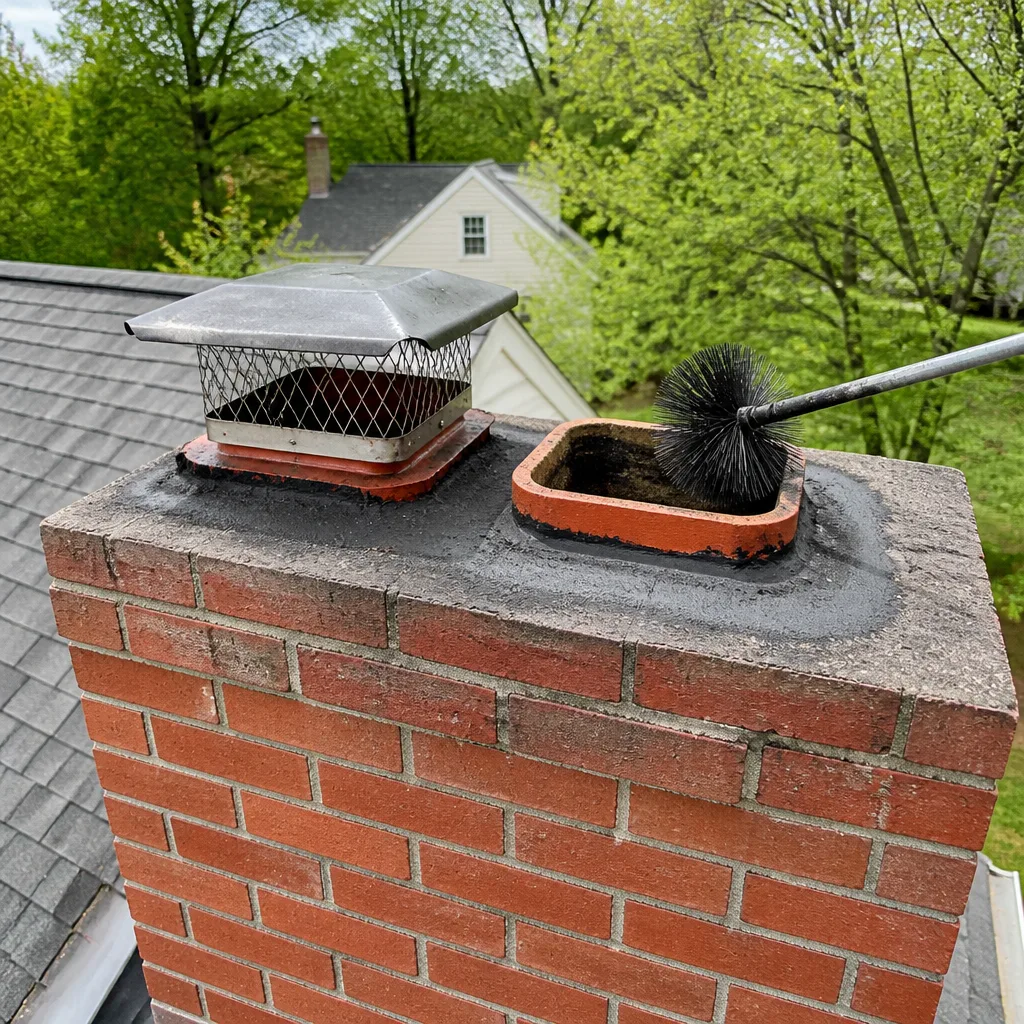 Sweep & inspection
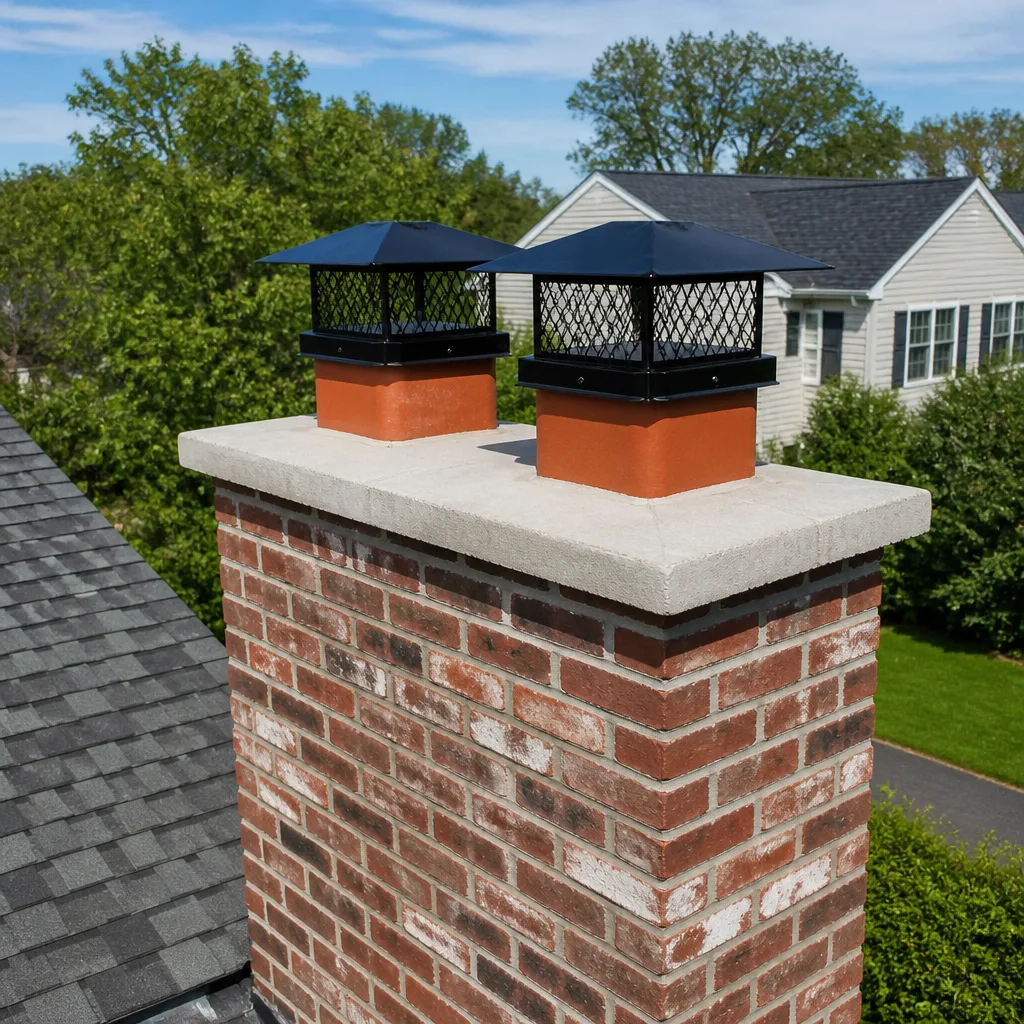 Caps & crowns
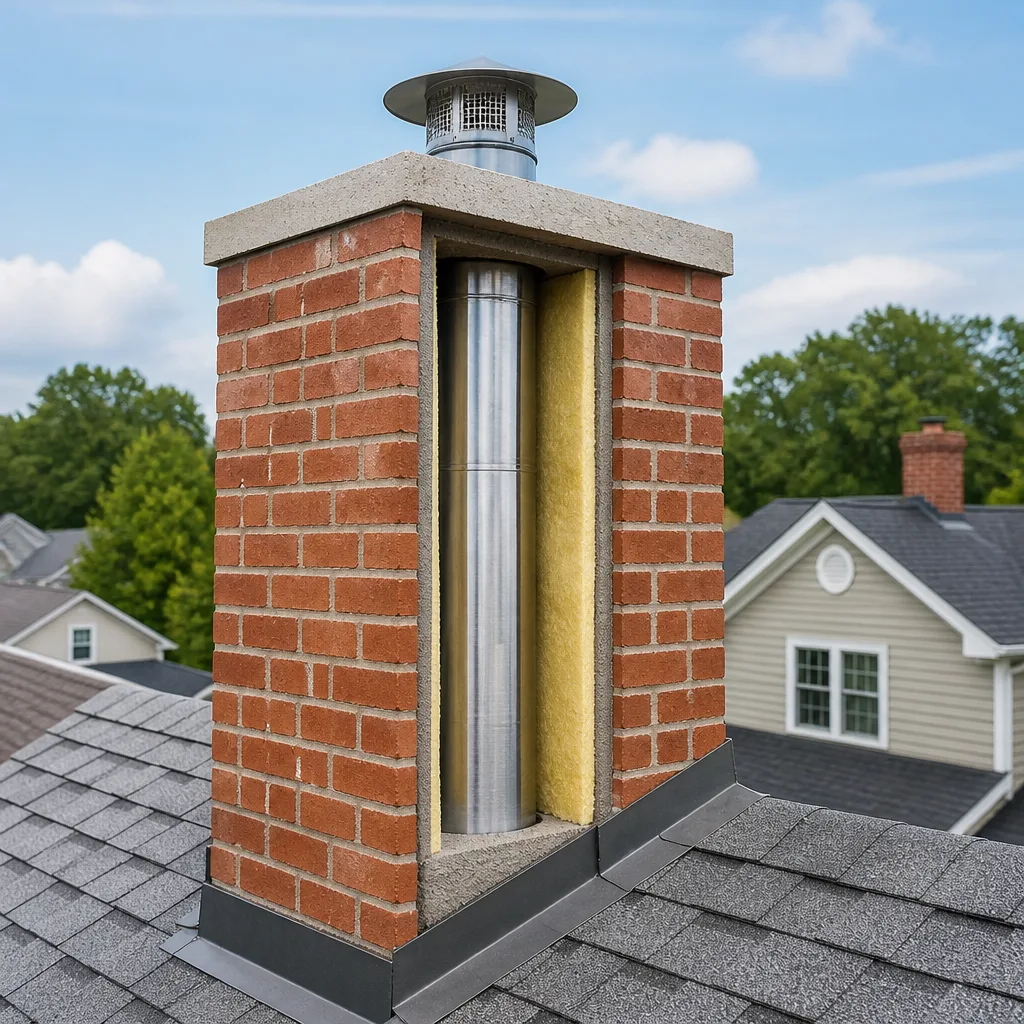 Flue relining
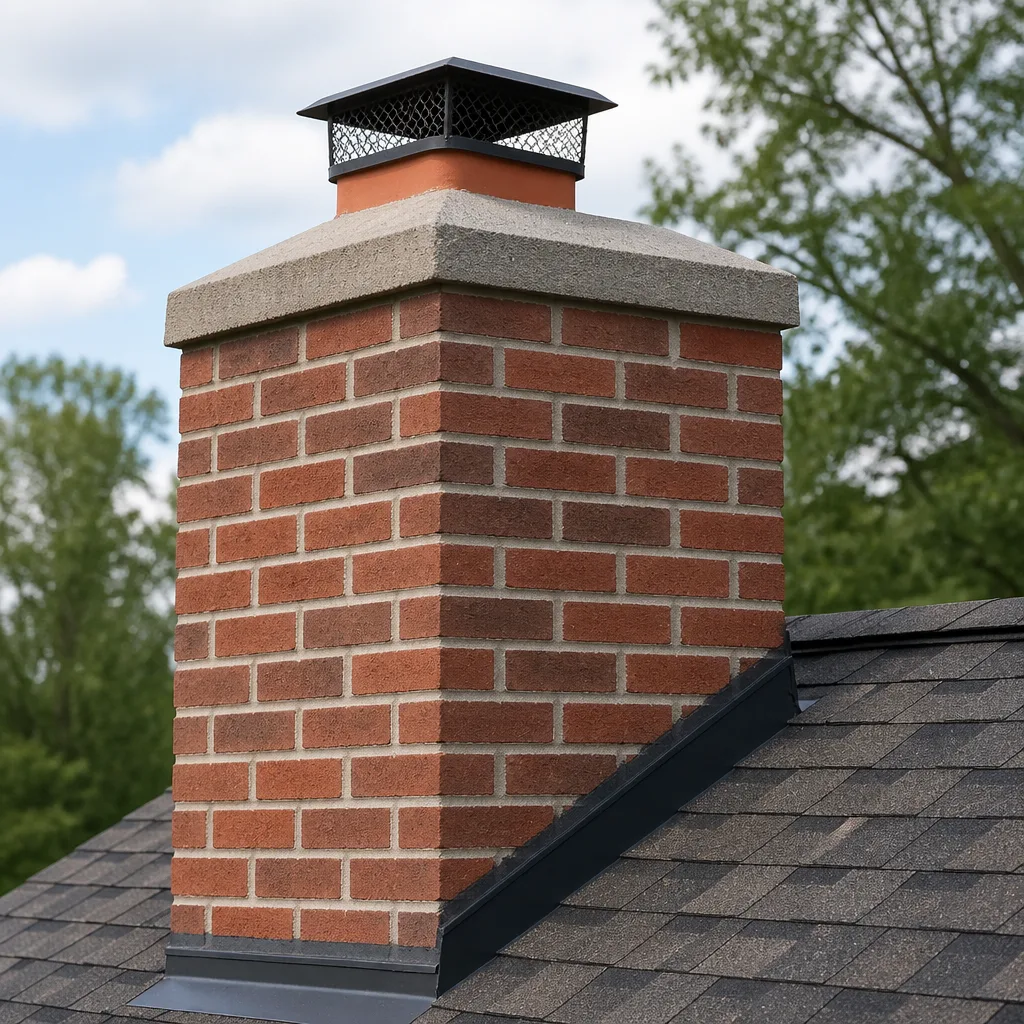 Masonry repair
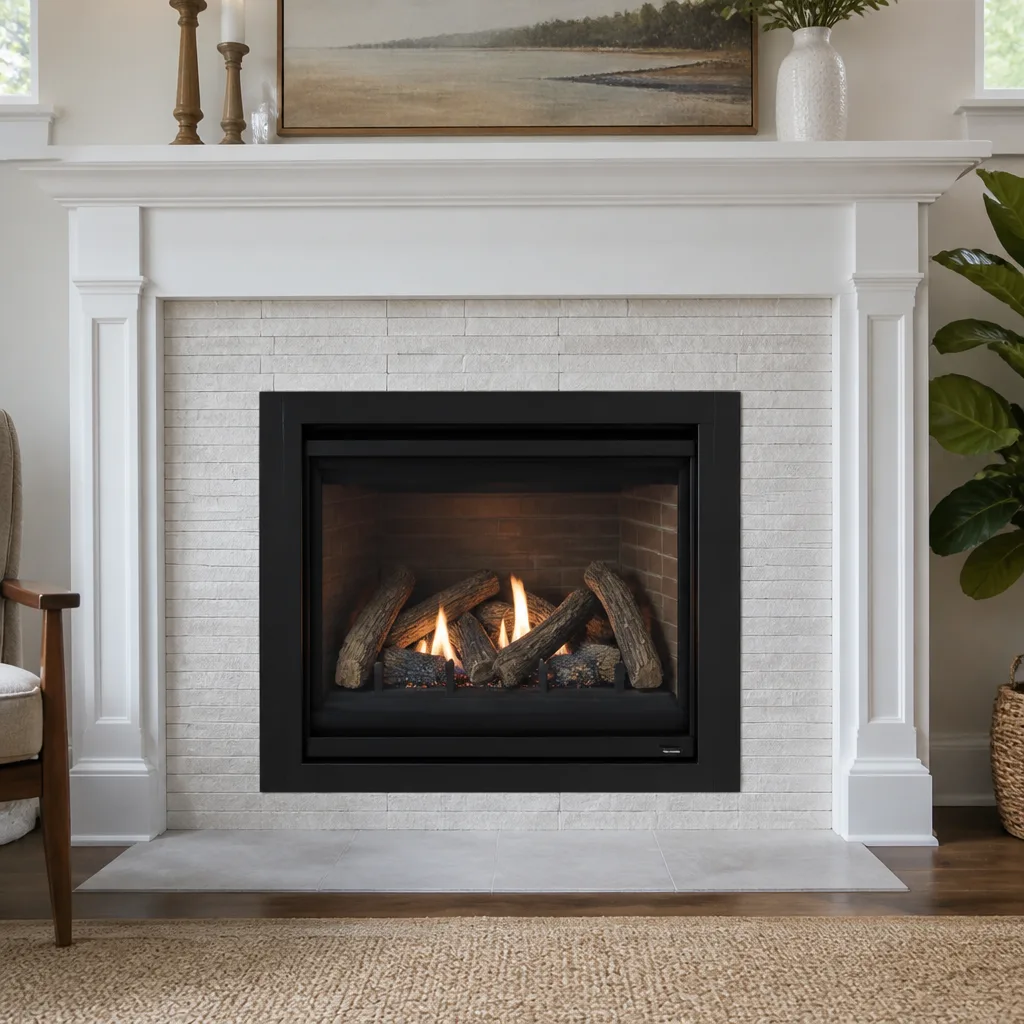 Gas fireplace service
Level 1 sweep and inspection to the NFPA 211 annual standard - flue, crown, cap, and flashing checked and photographed
Chimney sweep logs do not sweep chimneys. They loosen some creosote - which then falls where a brush and vacuum still have to collect it.
Chimney Cleaning Warning Signs: A Central Park Homeowner’s Reference Guide
Most warning-sign lists lead with smoke rolling into the room or a fire that won’t draw. By the time either happens, you already know something is wrong. The signals that actually cost Central Park homeowners money are quieter: a chalky white bloom on the outside brick, a damper that sticks a little more each season, a faint smoke smell in the room the morning after the fire has burned down. None of these announce themselves as chimney problems. All of them are. This guide covers the early, easy-to-dismiss signs, what each one points to mechanically, and how to tell the difference between “book a sweep soon” and “stop burning tonight.”
Quick Answer
The early warning signs of a chimney that needs cleaning or repair are a persistent smoky smell after the fire is out, a whooshing or puffing sound at the firebox, a damper that sticks or won’t hold position, white staining on exterior brick, crumbling refractory panels inside the firebox, and dark discoloration patterns that map where a problem is located. Any sign involving the flue liner, cracked masonry, or a damper that won’t open fully means stop using the fireplace until it’s inspected. Signs involving odor, light soot buildup, or slow draft usually mean schedule a sweep before the season starts.
Styles & brands we work with
- Sweep & inspection
- Caps & crowns
- Flue relining
- Masonry repair
- Gas fireplace service
Table of Contents
- What Does White Staining on Exterior Brick Actually Mean?
- Sounds and Smells: Reading What Your Chimney Is Telling You
- Damper Warning Signs You Can Check Yourself
- What Your Firebox Is Showing You
- Discoloration Patterns and Where the Problem Lives
- Schedule Soon vs. Stop Burning: A Triage Guide
- Why Central Park Conditions Accelerate Chimney Problems
- What a Documented Inspection Should Show You
What Does White Staining on Exterior Brick Actually Mean?
A white, chalky stain on the exterior brick of your chimney is not a cosmetic issue. It’s efflorescence, and it means water is moving through the masonry and evaporating on the surface, leaving mineral salts behind. That water came from somewhere: a failing crown, a missing or undersized cap, open mortar joints, or brick that has gone porous. Efflorescence is the chimney’s way of telling you water is inside the assembly, and in our experience it typically appears well before the structural damage that water eventually causes becomes visible.
What makes efflorescence such a useful early signal is that it’s honest. The masonry can’t hide moisture. When water gets into the chimney chase, it travels through the brick and mortar, and when it evaporates it deposits salts on the face. A chimney with a sound crown, a properly fitted cap, and intact mortar joints doesn’t bloom. One that does is losing the fight against water, and it’s losing it quietly.
Here’s what the stain usually points to, in rough order of likelihood:
- Crown failure. The crown is the concrete cap on top of the chimney that sheds water away from the flue. Hairline cracks are normal over time, but a crown that’s spalling, separating from the brick, or sloping toward the flue instead of away from it is funneling water straight down into the masonry.
- Missing or damaged cap. A chimney cap does two jobs: it keeps rain out of the flue and keeps animals from nesting inside. When it’s gone, rusted through, or the wrong size, water enters the flue directly and the whole chimney gets wetter every storm.
- Failed mortar joints. The mortar between bricks is softer than the brick by design, which means it weathers first. Once joints recede, water has a path inward.
- Porous or spalling brick. Freeze-thaw cycles open tiny cracks in brick over time. Those cracks hold water, and the next freeze pushes the brick apart.
What you don’t want to do is scrub the efflorescence off and call it handled. The stain is a symptom, not the problem. The chimney cap and crown are where most of these water paths start, and those are the components to have examined first. If the crown is failing or the cap is gone, replacing them is usually straightforward, and it’s a much smaller job than rebuilding masonry that’s been soaking for seasons.
If you’re seeing efflorescence on your Central Park chimney, that’s a good reason to have the whole system looked at, not just the top. Water entry rarely happens at one point only.
Sounds and Smells: Reading What Your Chimney Is Telling You
Chimneys communicate. Most homeowners just don’t know the language. Two of the most informative signals are sounds at the firebox and smells in the room after the fire is out, and each points to a different mechanical condition.
A whooshing or puffing sound at the firebox usually means draft reversal or unstable draft. The chimney depends on warm air rising through the flue to pull smoke up and out. When the flue is too cold, too short for the firebox, blocked, or fighting a pressure imbalance inside the house, the draft can stall or reverse. The result is a low whoosh as air moves the wrong direction, or a puffing rhythm as the fire fights for air. In Central Park, where temperatures can swing hard between afternoon and evening, a cold flue is a common cause of a fire that behaves well and then suddenly doesn’t. A whoosh isn’t automatically dangerous, but it’s a signal the draft path needs to be evaluated, especially if it happens repeatedly.
A smoky smell in the room after the fire is out is one of the most reliable early indicators of creosote accumulation at Stage 2 or higher. When wood burns, it produces creosote in stages: Stage 1 is light soot that brushes off easily, Stage 2 is a flaky, crusty deposit that adheres to the flue, and Stage 3 is a glazed, tar-like coating that has baked onto the liner. Stage 2 and Stage 3 deposits smell strongly when the fire is out and the flue cools, because the creosote off-gasses as it settles. If your living room smells like a campfire the morning after you burned, that’s creosote talking, and it’s worth taking seriously.
Here’s how to read the two together:
- Whoosh during the fire, no smell after: likely draft issue, not creosote. Check the flue and the firebox dimensions, and have the draft evaluated.
- No whoosh, smoky smell after: likely creosote buildup. Schedule a sweep before the next fire.
- Both: likely creosote and draft restriction. Stop burning and have the system inspected before the next use.
One more smell worth knowing: a sharp, chemical, almost acrid odor from the fireplace that isn’t wood smoke. That’s frequently a sign that something other than wood has burned or been stored in the firebox, and it’s a reason to have the flue examined rather than just cleaned. Ask us what we found, and we’ll show you the camera footage so you can see the flue condition for yourself.
Damper Warning Signs You Can Check Yourself
The damper is the plate inside the firebox that opens and closes the flue. It’s the one major chimney component a homeowner can inspect safely, without climbing on the roof or reaching into the flue, and it tells you a surprising amount about the rest of the system. Three signs in particular are worth watching.
- The damper is getting harder to open. A damper that sticks, drags, or needs extra force indicates either rust on the hinge or track, or debris and creosote binding the plate. If it’s getting progressively stiffer season over season, that’s a mechanical deterioration, not just a stiff handle. Sticking dampers often accompany a creosote load in the flue above them.
- You see rust flakes on the damper or the firebox floor. Rust on the damper plate is a direct sign of moisture in the chimney. It can come from a leaking crown or cap above, or from water entering through the flue during rain. Rust flakes on the firebox floor after a rainstorm are one of the more specific and reliable moisture indicators a homeowner can spot without a camera.
- The damper won’t hold its position. If you open the damper and it drops back down, or if you can’t fully close it when the fire is out, the plate or frame has warped, the hinge has failed, or the linkage has come loose. A partially open damper means heat escapes up the flue all year and cold air enters the room when the fire isn’t burning. A fully open damper means you can’t fully shut the system down, which is a real consideration for energy and safety.
What each sign points to mechanically: stiffness and binding usually mean creosote or rust on the plate and track. Flaking rust means moisture intrusion from above. Failure to hold position means the damper assembly itself needs repair or replacement, and in some fireplaces the damper plate can’t be replaced independently of the frame. If the damper needs work, that’s the moment to have the firebox and flue checked at the same time, because the conditions that damage a damper often damage the refractory panels too.
One caution: don’t force a stuck damper. Forcing it can snap the linkage or, in older fireplaces, crack the firebox. If it won’t open smoothly, stop and have it looked at. Our fireplace repair service covers damper diagnosis and replacement along with the firebox itself, so you’re not handing the job off between contractors.
What Your Firebox Is Showing You
The firebox is where you burn, and it’s also where a lot of early information lives. Refractory panels, brick, and mortar joints inside the firebox show stress before the flue above them does, because they take the heat directly. Three visual cues matter most.
Spalling refractory panels. Refractory panels are the heat-resistant liners inside the firebox on many fireplaces. When they spall, chunks or flakes come away from the surface, leaving a rough, pitted face. A small flake can be normal wear, but a panel that’s crumbling, cracking through, or missing chunks has lost its heat barrier. Continuing to burn with a compromised refractory panel can expose the framing behind it to heat, which is a fire risk. Spalling panels are a stop-and-inspect sign.
Mortar gaps between bricks. In a brick firebox, the mortar joints between the firebrick are the weak points. When the mortar recedes or cracks, heat can reach the brick and the structure behind it. A joint that’s visibly missing or recessed is more than cosmetic: it’s a heat path. Have it repointed before the next fire.
Discoloration patterns. Discolored streaks or dark patches inside the firebox aren’t just soot. They map where a problem is. Dark streaking that runs up one side of the firebox points to a draft pulling that direction, often because the flue is partially blocked or the firebox is out of balance with the flue size. Dark patches near the damper or the throat often indicate smoke backing up at the top of the firebox rather than going up the flue. Discoloration on the exterior brick of the chimney, as covered above, usually points to water entry. Reading the location of the discoloration tells you which part of the system to look at first.
If you’re seeing spalling or open mortar joints in the firebox, that’s a stop-and-inspect sign. Our chimney sweep service includes a firebox check with every cleaning, so you get a documented assessment of the firebox condition, not just a swept flue.
Discoloration Patterns and Where the Problem Lives
Discoloration is one of the most useful diagnostic tools a homeowner has, because it tells you where to look. Here’s a rough map:
- White, chalky stains on exterior brick: efflorescence, water moving through the masonry. Look at crown, cap, and mortar joints first.
- Rust-colored streaks on exterior brick or metal components: moisture reacting with metal, often from a failing cap or a rusted chase cover. Look at the top of the chimney.
- Dark streaks running up one side of the firebox: draft imbalance or partial flue restriction. Look at the flue and the firebox-to-flue ratio.
- Dark patches near the damper or throat: smoke backing up at the top of the firebox or a damper that isn’t opening fully. Look at the damper and the smoke shelf.
- Discoloration on the ceiling or wall near the chimney: a sign of a leak from the chimney into the house. Look at the flashing, crown, and cap.
- Dark, glossy coating inside the flue (visible on camera inspection): Stage 3 creosote, a glazed, tar-like deposit. This is a stop-and-inspect condition.
The reason this matters is that homeowners often see one stain and assume one problem. In our experience, discoloration rarely happens in isolation. A crown that’s leaking water can cause efflorescence outside, rust on the damper inside, and discoloration at the ceiling near the chimney, all from one failure at the top. Reading the pattern tells you whether you’re looking at one cause or several.
Discoloration on the interior of the firebox or on the firebox surround is normal to some degree with use. Discoloration on the exterior of the chimney or on the house itself is a sign of water or heat escaping the system, and that’s where the diagnosis should start.
Schedule Soon vs. Stop Burning: A Triage Guide
Not all warning signs are equally urgent. The problem with most warning-sign guides is that they grade everything the same, which leaves homeowners either panicking over a light stain or ignoring a cracked liner. Here’s a triage tool to help you decide what to do next without guessing.
Schedule a cleaning or inspection before the next burn:
- A smoky smell in the room after the fire is out (creosote smell)
- Light soot visible on the firebox walls, or a soot line at the top of the firebox
- Efflorescence on the exterior brick, without rust or interior damage
- A damper that’s stiff or sticks but opens fully
- A fire that draws slowly or smokes at startup but settles once hot
- Your last sweep was more than a season ago
Stop burning and have the system inspected before the next fire:
- A whoosh or puff at the firebox during the fire (draft issue)
- A damper that won’t open fully or won’t hold position
- Spalling, cracked, or missing refractory panels in the firebox
- Visible mortar gaps between bricks in the firebox
- Rust flakes on the firebox floor after a rainstorm
- Vigorous smoky smell during the fire itself, not just after
Stop using the fireplace entirely and call right away:
- Dark, glossy or tar-like coating visible on the flue liner (Stage 3 creosote)
- Cracked or missing flue tiles visible through a camera inspection
- Any sign of heat damage on the chase or the house framing near the chimney
- A carbon monoxide alarm sounding or any headache, nausea, or dizziness in the room with the fireplace running
The last group is the one to take most seriously. Carbon monoxide has no smell, and the only warning you get is the alarm or symptoms. If you have any reason to suspect it, get everyone out of the house, call the fire department, and have the chimney and appliance venting checked by a professional before you burn again. That’s not scare language, that’s the standard procedure.
Why Central Park Conditions Accelerate Chimney Problems
Central Park sits in the Front Range high country, and the local cycle of freezing nights, warm days, and dry high-altitude air puts specific pressure on chimney systems. In our experience, the signs above show up faster here than in milder climates, and they’re worth watching for that reason.
The freeze-thaw cycle is the big one. Water enters the masonry through a failing crown, cap, or mortar joint, then freezes overnight and expands, then thaws the next day. Repeat that over a season and small cracks become open joints. That’s why efflorescence on a Central Park chimney is worth taking seriously early: the water entry mechanism is the same one that the freeze cycle is actively exploiting. High-altitude sun and dry air also degrade sealants, crown materials, and chase covers faster than in lower, wetter climates, which means the top of the chimney weathers quicker here.
The dry air matters for creosote too. Creosote builds quickly when the fire is run hot and then cooled before the flue has fully warmed, and Central Park’s temperature swings encourage exactly that pattern. A homeowner who lights a small fire in the evening, then lets it go out quickly when the room warms, can produce more creosote than a homeowner who runs a steady fire in a milder climate. Longer, slower fires with fully seasoned wood produce less, which is worth knowing if you burn regularly.
The practical takeaway: Central Park homeowners should expect the early warning signs to appear faster during and after a cold snap, and should schedule a sweep before the burning season starts rather than waiting for a problem to announce itself. That’s one of the reasons we offer chimney inspection as a standalone service: it gives you a documented picture of the system before the season, and you can plan repairs on your own timeline instead of during an emergency.
What a Documented Inspection Should Show You
An inspection should answer two questions: what condition is the system in, and what actually needs to be done. If the answer you get is “the chimney needs a lot of work” without evidence you can look at, that’s a problem. Here’s what a good inspection covers and what it should produce.
- Visual inspection of the accessible exterior. Crown, cap, flashing, spark arrestor, brick, and mortar joints, with photos or notes on what was found.
- Firebox and damper assessment. Refractory panel condition, mortar joint integrity, damper operation, and firebox-to-flue condition.
- Flue inspection with a camera. A camera inspection inside the flue identifies creosote level, cracked or missing flue tiles, gaps in the liner, and blockages. A camera inspection is what separates “probably fine” from “actually assessed.”
- A written summary of findings. What was inspected, what condition each component is in, what needs doing now, what can wait, and what to watch for next season.
The component-level detail is where the value is. A cracked flue tile isn’t the same repair as a missing cap, and a compromised brick firebox isn’t the same as a swept flue. We install and repair with DuraFlex liner systems for damaged or unlined flues, and perform HeatShield ceramic resurfacing for flues that need restoration rather than lining, which means the recommendation you get is matched to the actual condition of the flue, not just the cheapest option available.
Cap and crown work should be done with purpose-built components. We install and replace chimney cap & crown systems from Gelco and Famco, which are dedicated chimney weatherproofing manufacturers rather than general hardware, and that matters for fit and lifespan. If you’re not sure what condition your system is in, start with an inspection and skip the guessing.
Common Mistakes to Avoid
- Scrubbing off efflorescence and considering it solved. The stain is a symptom of water moving through masonry, not a cosmetic issue. Cleaning the surface without addressing the crown, cap, or mortar joint that’s letting water in just delays the next stain.
- Assuming a smoky smell is normal “fireplace smell.” A faint smoke smell after the fire is out is one of the clearest early creosote signals, and it’s worth a sweep. Waiting for the smell to become a smoke-in-the-room problem means the creosote had more time to bake on.
- Forcing a stuck damper. Forcing a stiff damper plate is how linkages snap and older fireboxes crack. Stop and have it diagnosed instead.
- Burning one more fire with a spalling panel or open mortar joint. “Just one more fire” is the phrase we hear most often right before a firebox repair turns into a bigger job. If the firebox barrier is compromised, the next fire is the risk.
- Skipping the camera inspection because the sweep “already cleaned it.” Sweeping and inspecting are different jobs, and a sweep without a camera inspection can’t tell you about the flue condition. Documented inspection is how you know what you have.
- Assuming the chimney is fine because the fire draws well. A strong draft isn’t a clean bill of health. Many of the warning signs above, like efflorescence and spalling panels, don’t affect draft at all until the problem is far along.
- Waiting for the burning season to book. Central Park’s freeze-thaw cycle damages masonry during the cold months, and the time to catch it is before the season, when a repair can be planned rather than emergency-ordered.
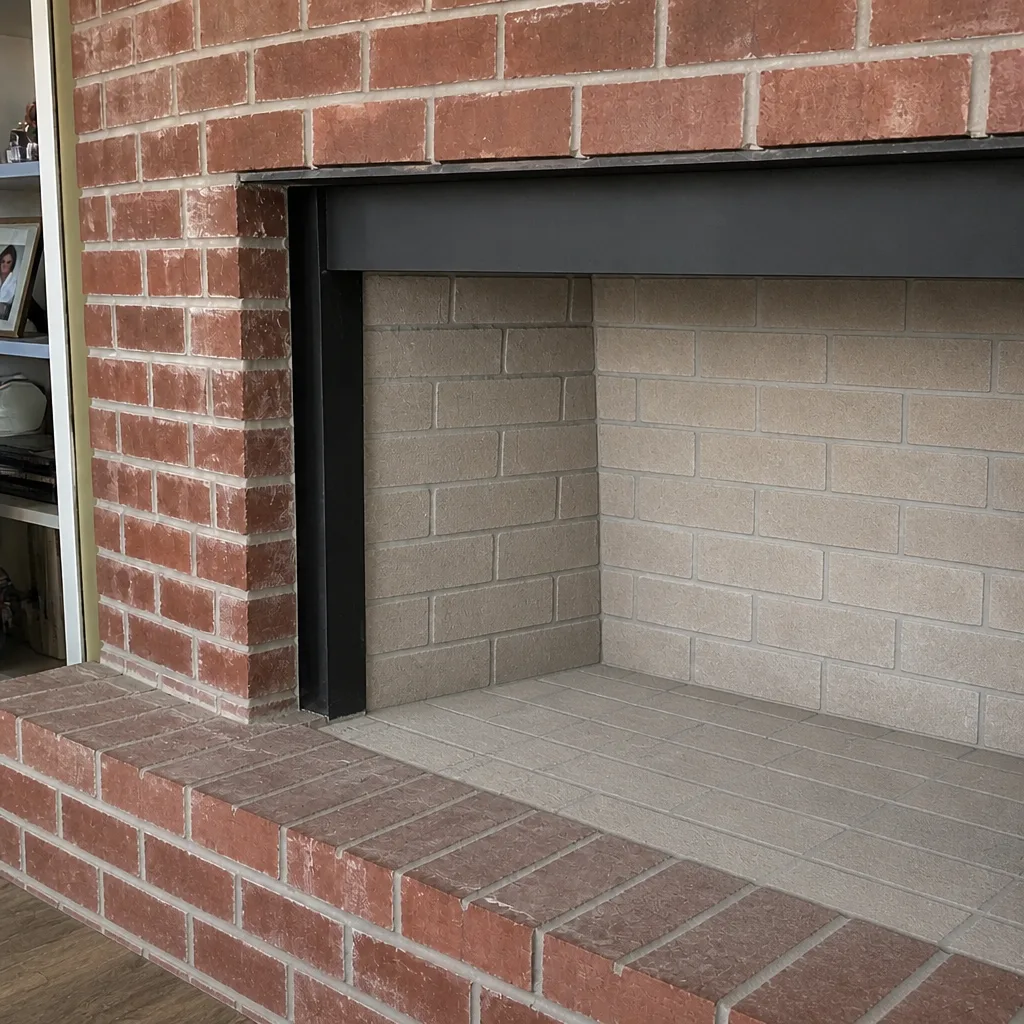
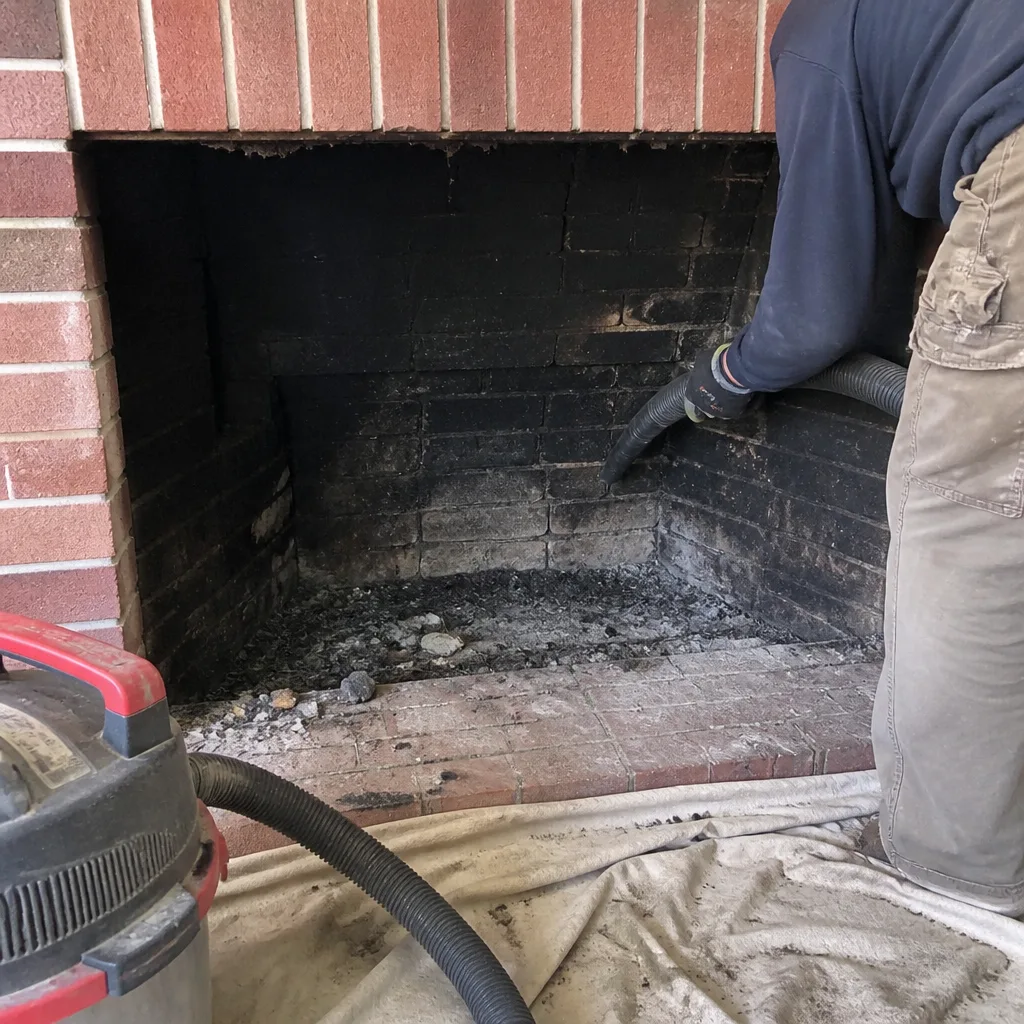
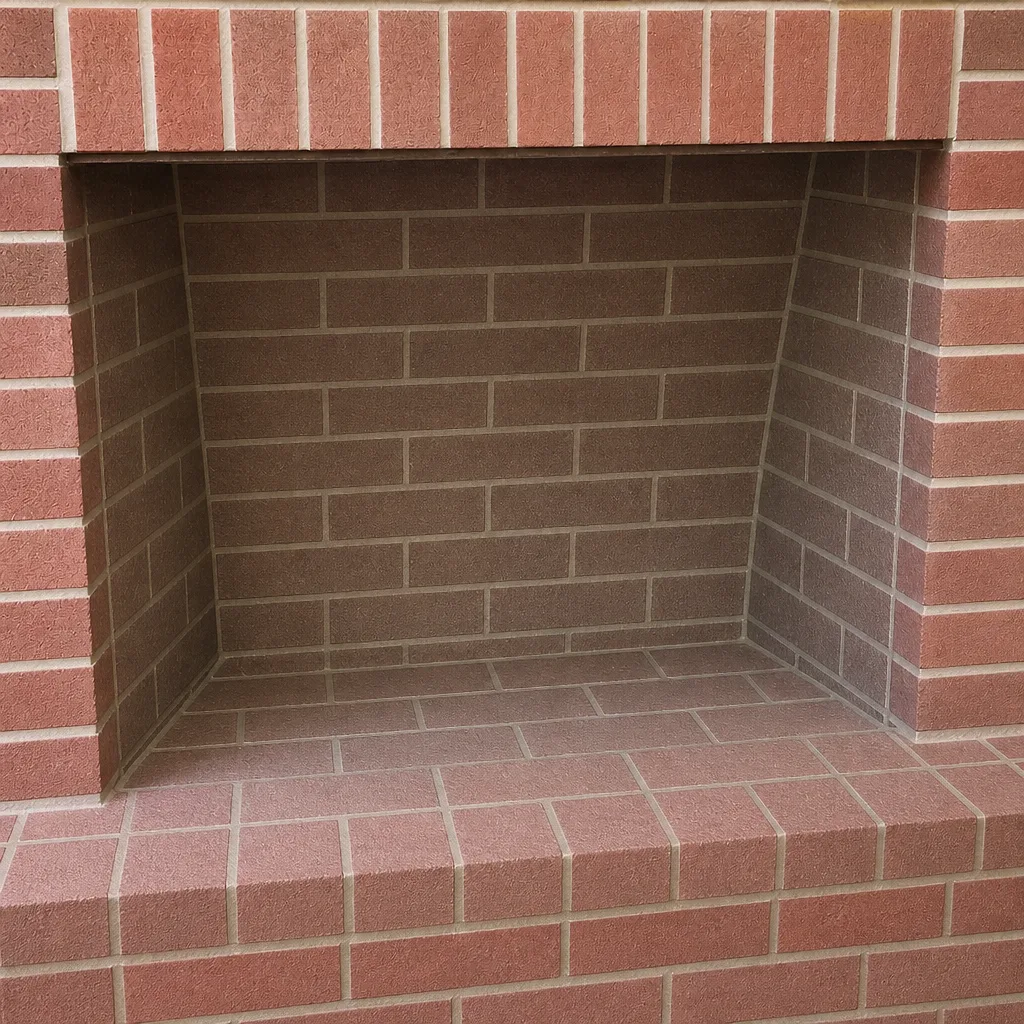
See the difference
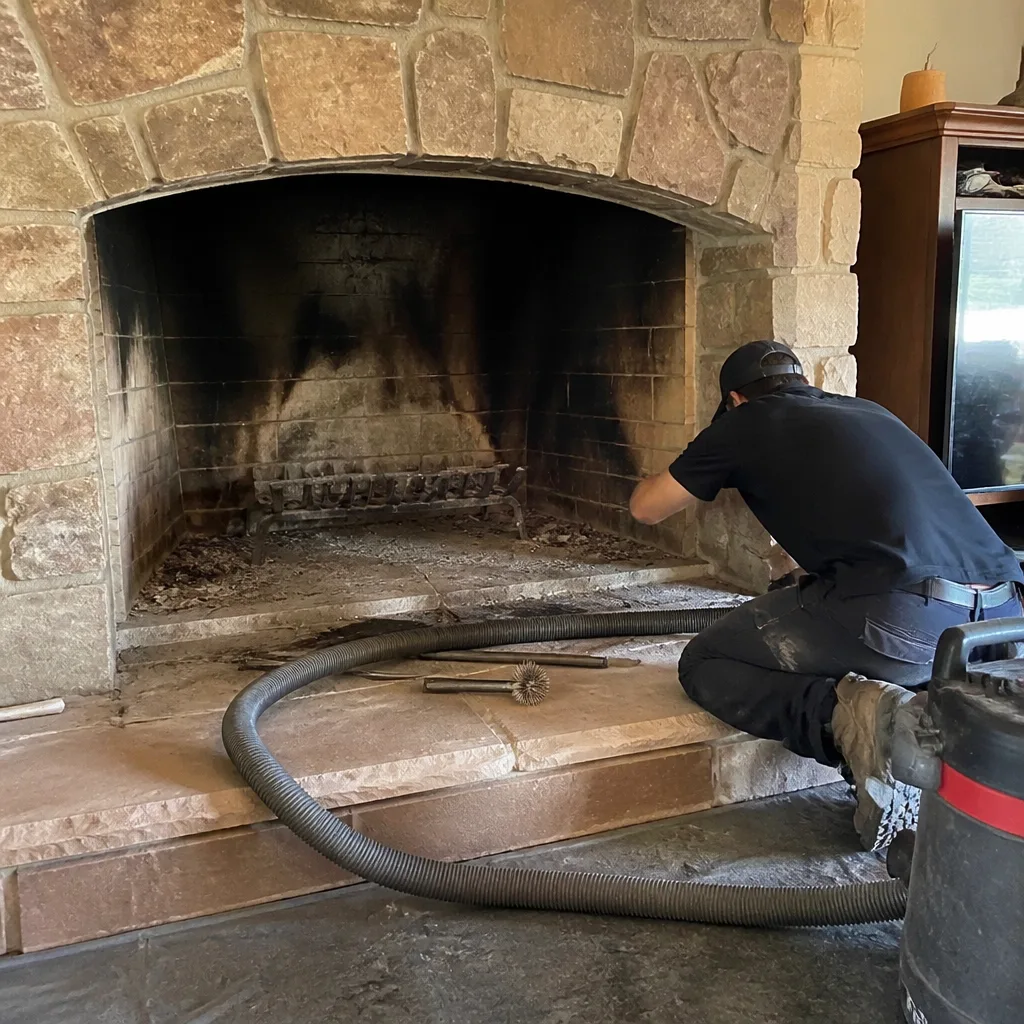 Before
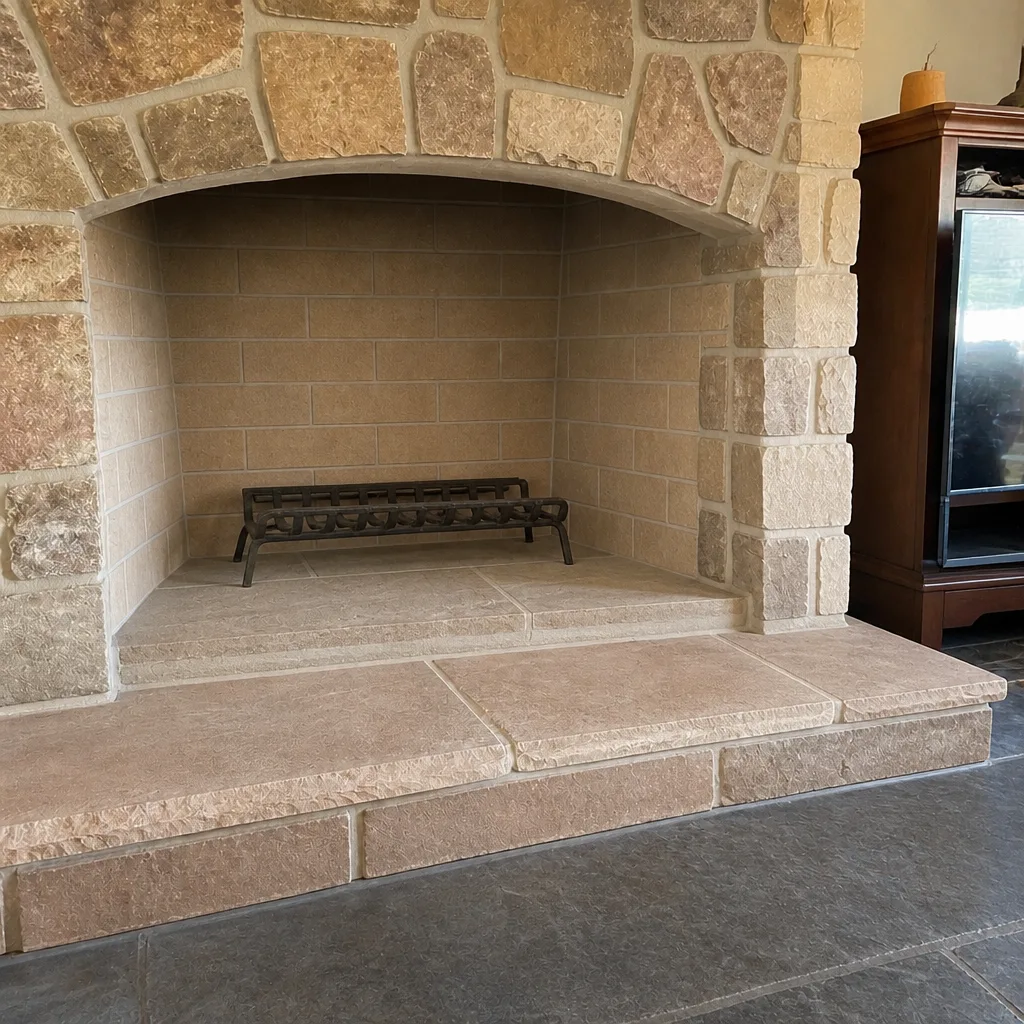 After
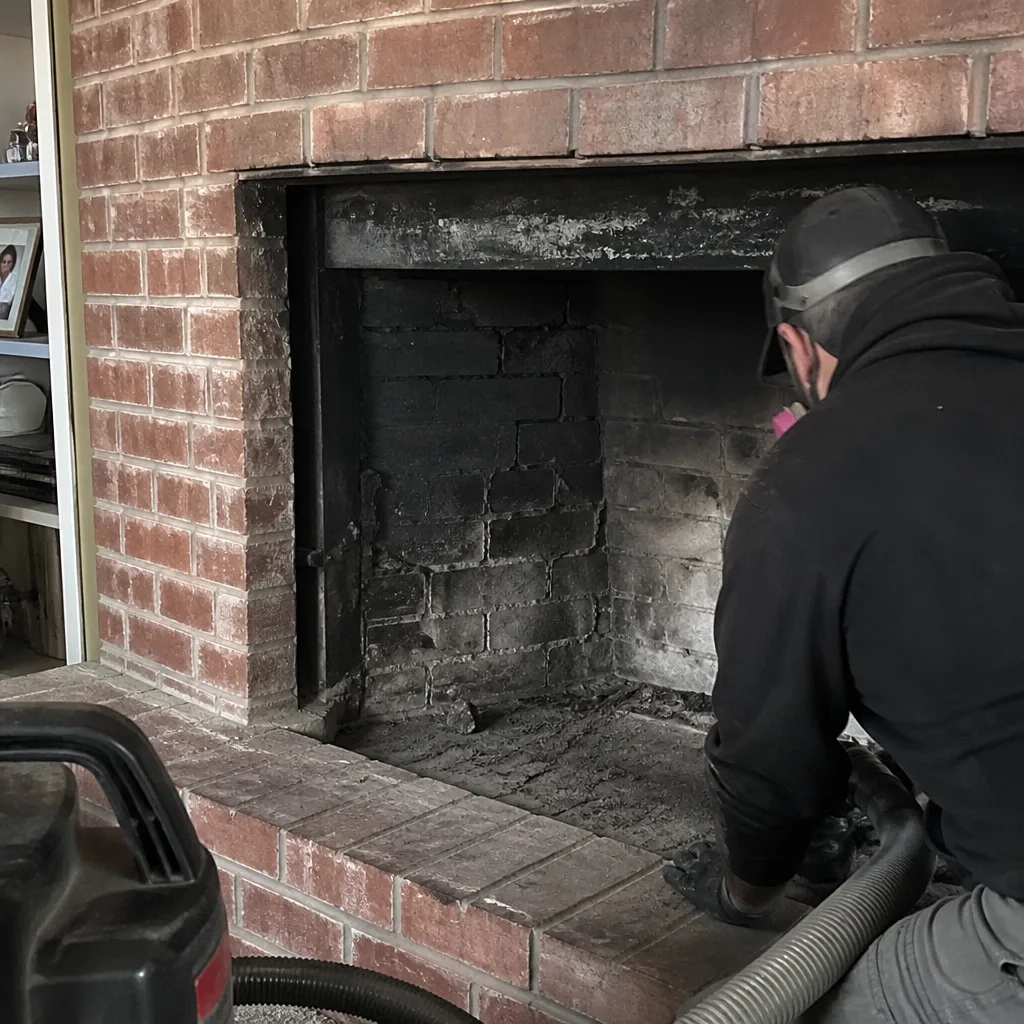 Before
 After
 Before
 After
When to Call a Professional
Call a professional if you’ve spotted any of the “stop burning” signs on the triage list, if you’re seeing efflorescence on exterior brick, if the damper sticks or won’t hold position, or if you can’t remember the last time the chimney was swept. Also call if you’ve bought a home in Central Park and don’t have a documented inspection for the fireplace, or if you’re planning to burn regularly this season and want a baseline. If a fire drew well last year and doesn’t this year, that’s a reason to call too. Chimney Sweep Central Park offers free estimates in Central Park. You can reach us at (855) 550-7509. We answer 24/7, with fast dispatch from 7am to 7pm, Sunday through Friday. From the firebox floor to the Chimney Sweep Central Park cap, we handle the whole system: we inspect it, explain it, and fix it right the first time.
Frequently Asked Questions
The most common early signs are a smoky smell in the room after the fire is out, efflorescence (white staining) on exterior brick, a damper that’s getting harder to open, and rust flakes appearing on the firebox floor after a rainstorm. Any of these means the chimney is telling you something before a problem becomes obvious, and all of them are worth an inspection. Call (855) 550-7509 for an exact quote. Estimates are free.
White staining (efflorescence) means water is moving through the masonry, not necessarily that the chimney needs cleaning. It usually points to a failing crown, a damaged cap, or open mortar joints rather than a creosote problem. The fix is to find and seal the water path, then sweep the flue separately. Have both assessed. Call (855) 550-7509 for a free estimate.
A persistent smoky smell after the fire is out is one of the clearest indicators of creosote buildup at Stage 2 or higher, though a draft issue can cause a similar smell. It’s a schedule-a-sweep sign, and it’s worth taking seriously before the smell becomes a smoke-in-the-room problem. Call (855) 550-7509 to book a sweep and inspection.
A damper that’s getting progressively stiffer indicates rust or creosote binding the plate and track, and it usually accompanies buildup in the flue above it. It’s not automatically a stop-burning condition, but it should be diagnosed before it fails to open at all. Don’t force it. Call (855) 550-7509 for an assessment.
Look for spalling refractory panels (chunks or flakes coming off the surface), visible mortar gaps between bricks, and dark streaks or patches that show where heat or smoke is escaping. Spalling panels and open mortar joints are stop-burning signs. Call (855) 550-7509 and we’ll inspect it and show you what we found.
Yes, if you don’t have a documented inspection for the flue this year, especially given the freeze-thaw cycle that accelerates masonry damage here. An inspection before the season lets you plan any repairs on your own timeline rather than during a cold snap. Call (855) 550-7509 for a free estimate on a documented inspection.
The Bottom Line
The chimney warning signs that matter most are the quiet ones: efflorescence on the exterior brick, a smoky smell after the fire is out, a sticking damper, spalling refractory panels, and discoloration that maps where the problem lives. Each one points to a specific mechanical condition, and each one is easier and cheaper to address before it becomes a firebox or liner repair. Use the triage guide to sort “schedule soon” from “stop burning,” don’t force anything you’re unsure of, and get a documented inspection so you know what you actually have. A clean chimney is the starting point. A safe, structurally sound chimney is the goal. Call (855) 550-7509 for a free estimate. We answer 24/7.
Written by the team at Chimney Sweep Central Park.