
Last updated November 24, 2026
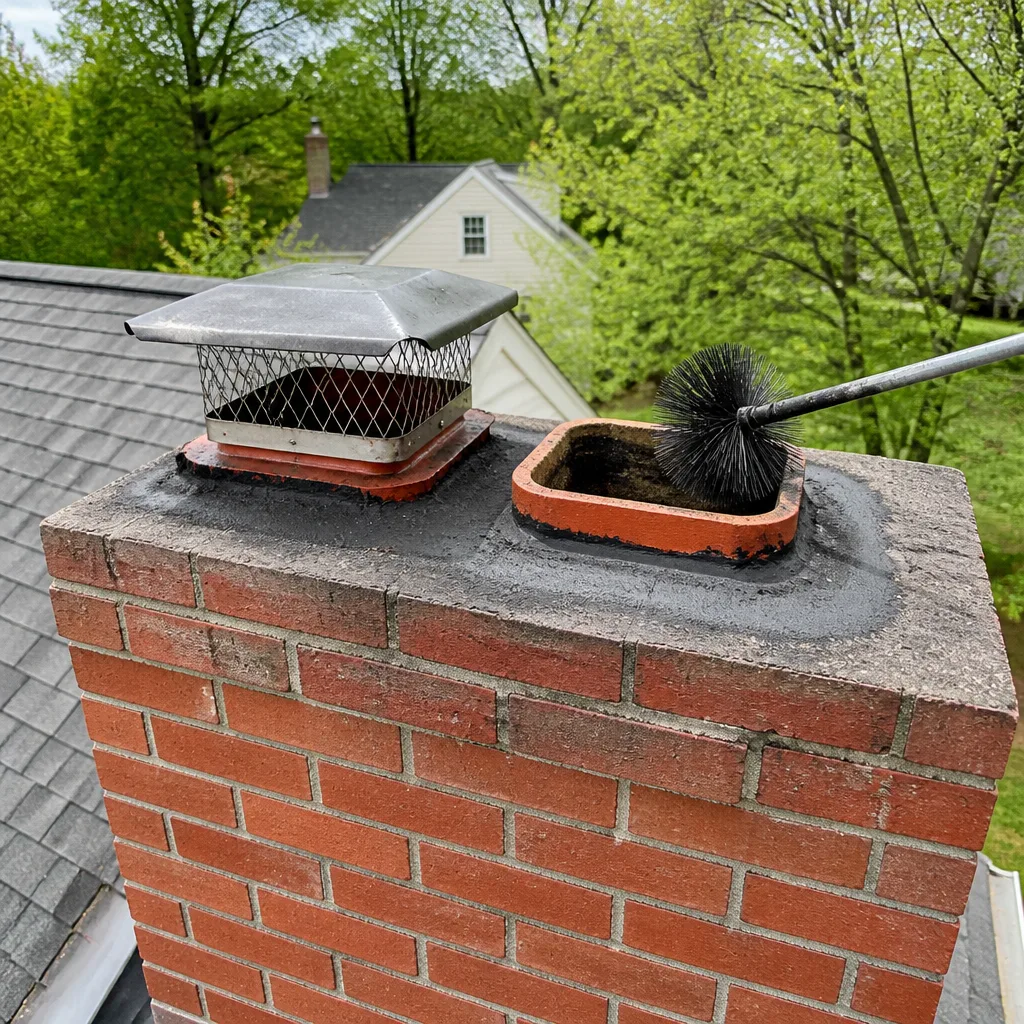 Sweep & inspection
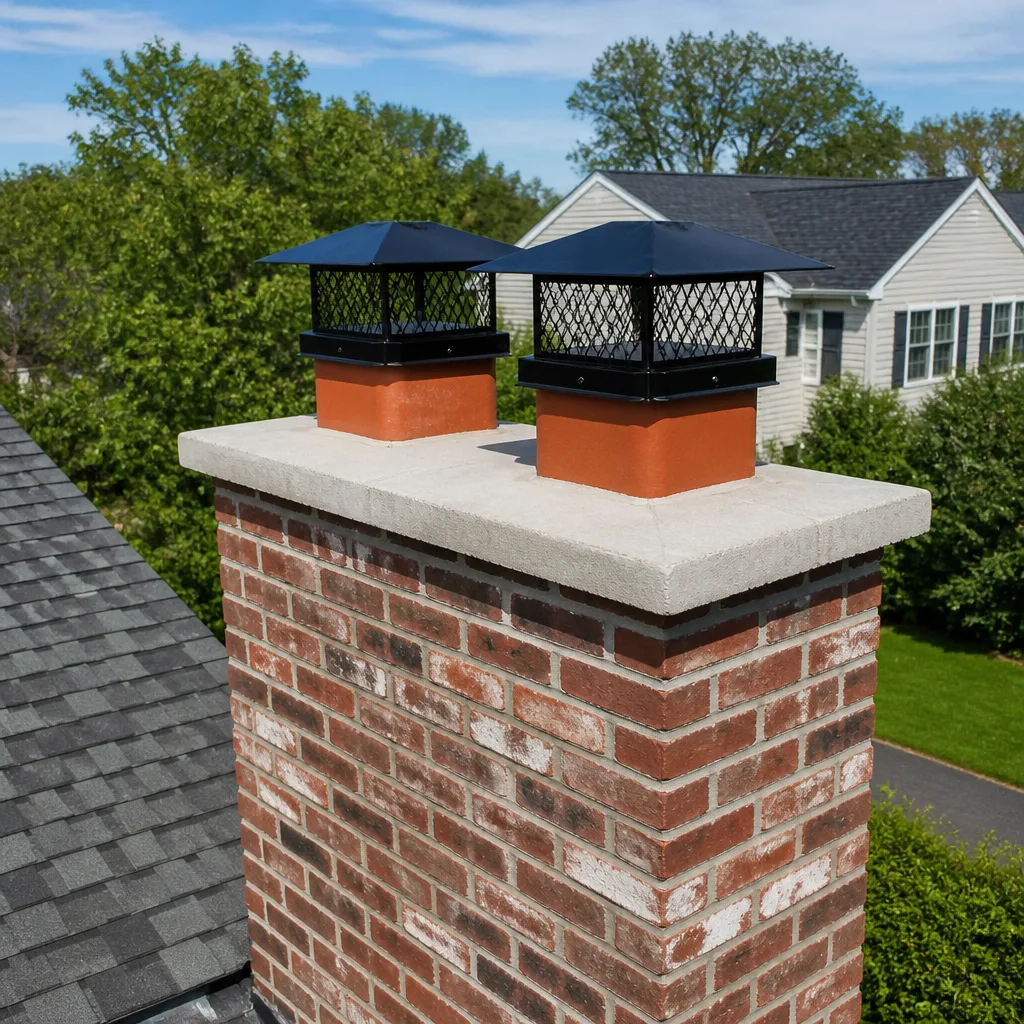 Caps & crowns
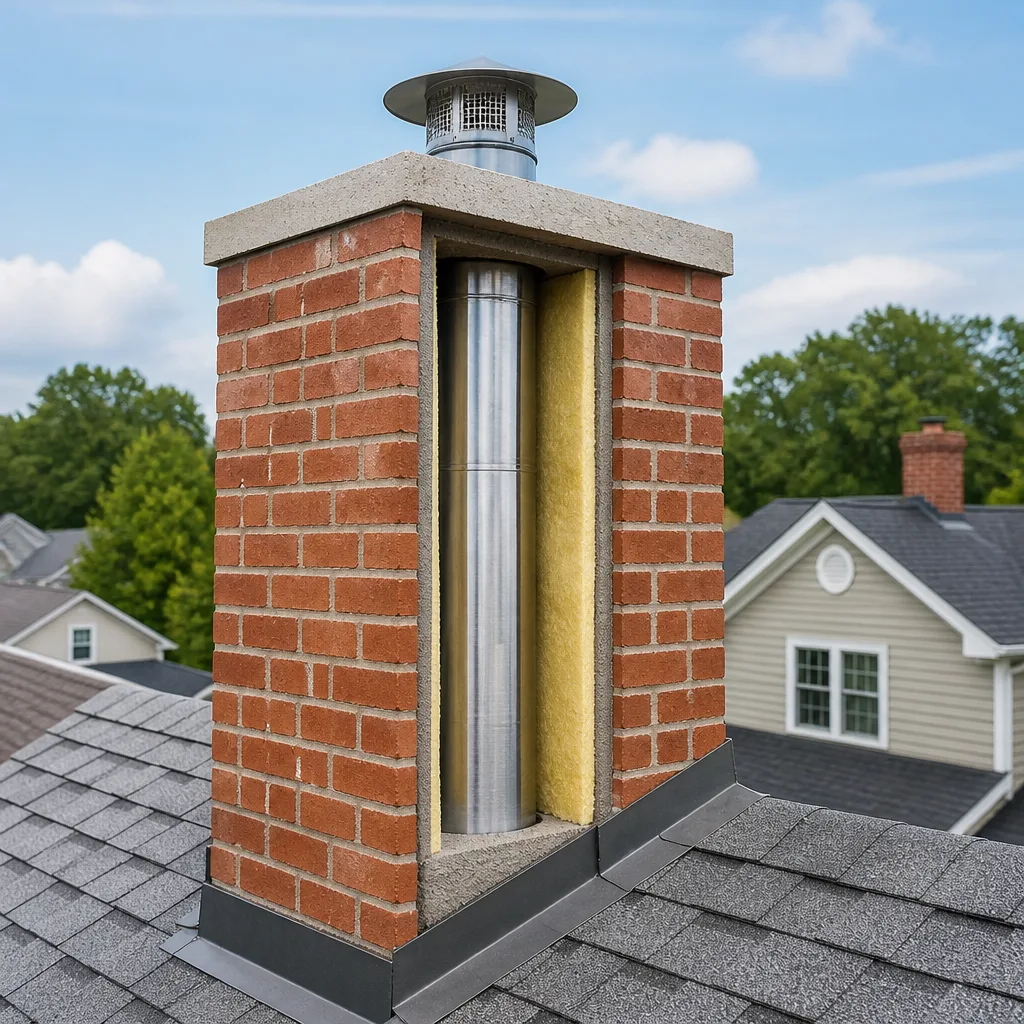 Flue relining
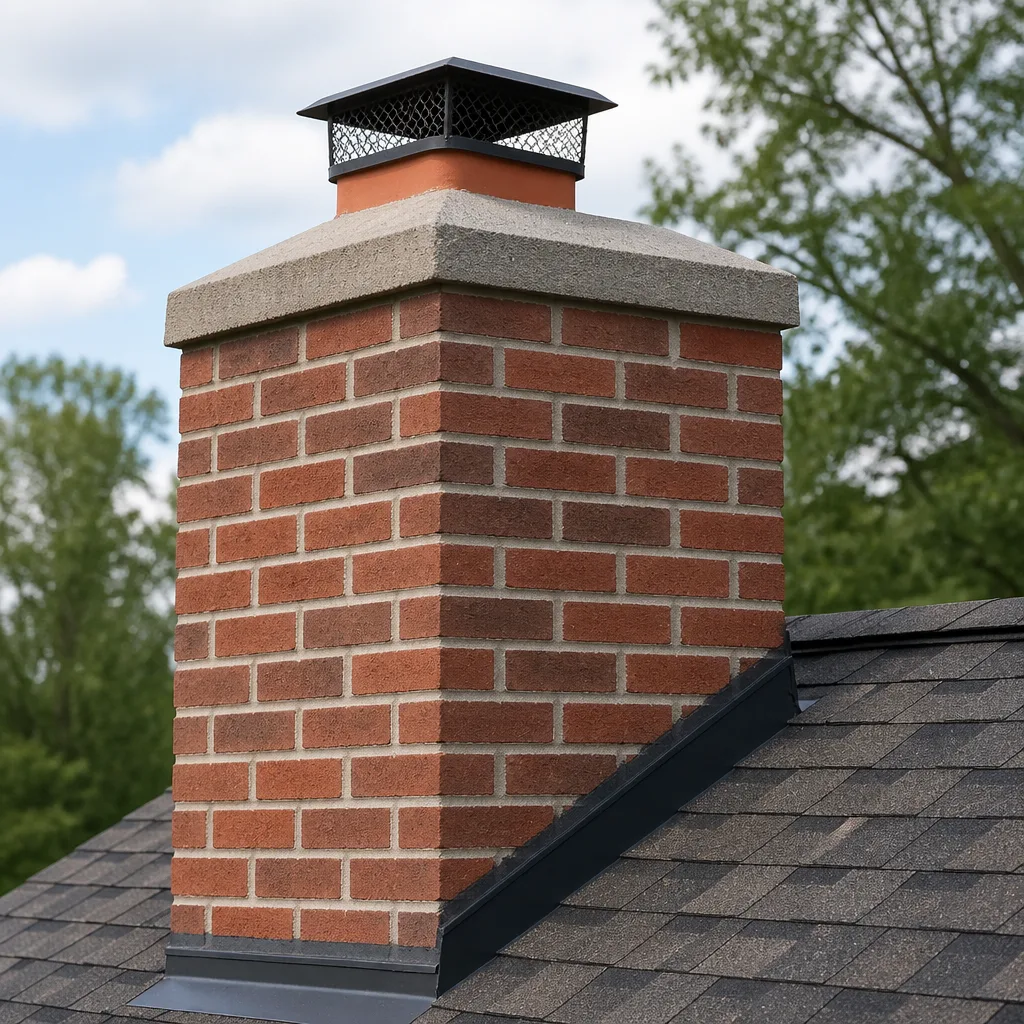 Masonry repair
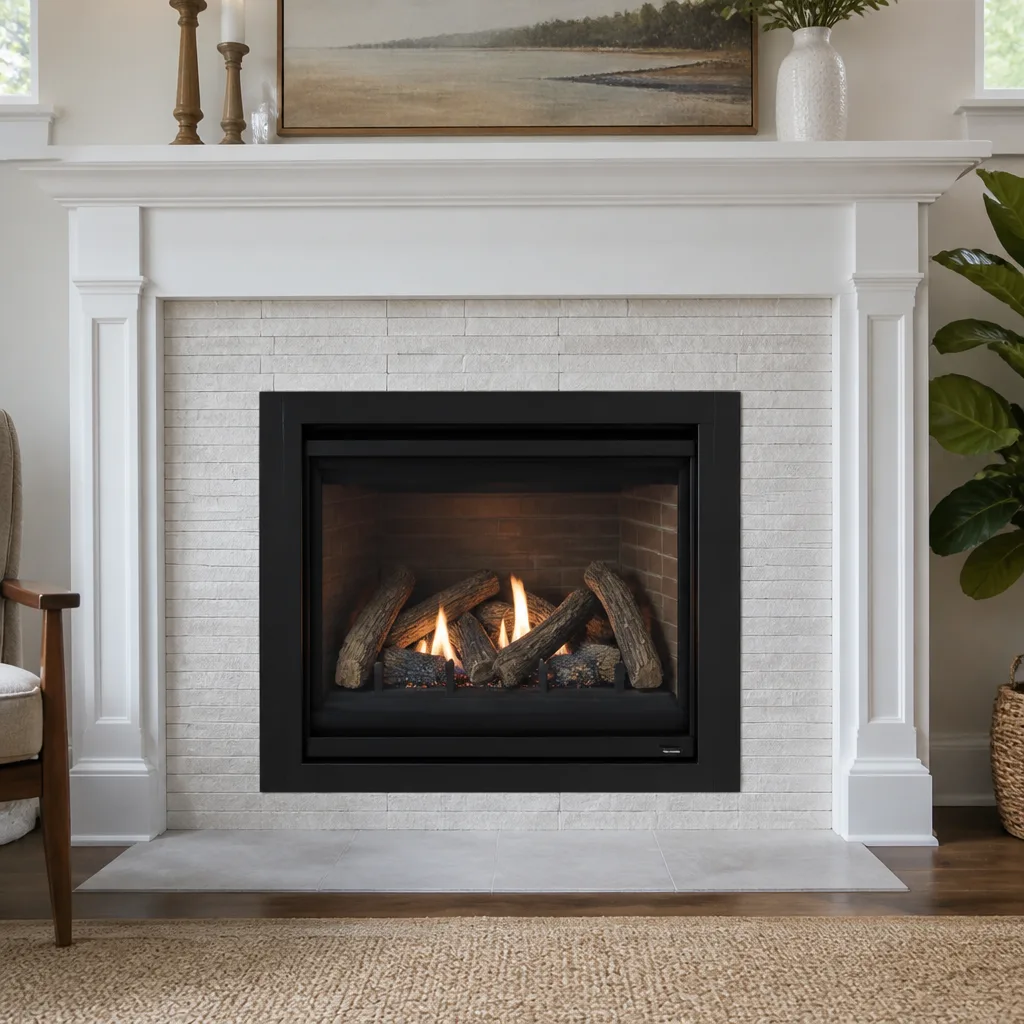 Gas fireplace service
Level 1 sweep and inspection to the NFPA 211 annual standard - flue, crown, cap, and flashing checked and photographed
Chimney sweep logs do not sweep chimneys. They loosen some creosote - which then falls where a brush and vacuum still have to collect it.
Chimney Sweep Maintenance Schedule: What to Do and When
If you burned more than two cords of wood last season, a once-a-year sweep isn’t enough. Creosote accumulation rates mean your flue may need attention mid-season, long before the annual inspection comes around. Most homeowners treat a chimney like a car that only needs an oil change every January, when in reality the firebox, flue liner, damper, cap and crown each wear at a different rate depending on fuel type and how hard you burn. This guide gives you a component-by-component maintenance schedule built around how your system in Central Park actually works, so small issues get caught before they turn into expensive repairs.
Quick Answer
The core chimney maintenance schedule is: sweep the flue annually for wood burners and have it inspected at the same time, schedule a Level 2 inspection whenever you buy a home or change fuel type, check the firebox monthly during burn season, and look at the cap, crown and flashing every year with a full assessment every two years or after any major storm. Gas and pellet systems follow a lighter cleaning rhythm but still need an annual inspection. A proper schedule is tiered by component and usage, not a single yearly appointment.
Styles & brands we work with
- Sweep & inspection
- Caps & crowns
- Flue relining
- Masonry repair
- Gas fireplace service
Table of Contents
- Why monthly firebox checks matter more than the annual sweep
- The component-by-component maintenance schedule
- How wood, gas and pellet chimneys differ
- Central Park’s freeze-thaw cycle and spring masonry checks
- Before the first fire of the season: your self-check list
- Level 1 vs. Level 2 inspections explained
- What to do after a storm
- Common mistakes to avoid
Why Monthly Firebox Checks Matter More Than the Annual Sweep
The annual sweep gets all the attention, but the firebox is where creosote starts and where you can catch problems weeks before they show up in a flue scan. A firebox inspection takes two minutes with a flashlight. Look at the brick joints along the back wall, the mortar around the damper frame, and the floor of the box where ash collects. Hairline cracks in the firebrick soak up moisture over time and spall in cold weather.
During burn season, which in Central Park runs roughly from October through March depending on the year, we recommend a quick monthly walkthrough. It’s not a repair task. It’s a look-and-note task:
- Shine a flashlight at the firebrick walls. Note any new cracks, crumbling mortar joints, or white chalky powder (that’s efflorescence, a sign of moisture).
- Check the damper opens and closes smoothly. A damper that sticks or won’t seal means heated air is escaping up the flue when the fireplace isn’t in use.
- Look up at the smoke shelf above the damper. Creosote glaze builds there first and is the earliest warning sign of a flue that needs a sweep before the season ends.
- Shovel ash into a metal can once it cools. Excess ash depth reduces airflow and makes any fire burn dirtier.
If any of those checks turns up something that wasn’t there the month before, that’s when you book a chimney sweep and inspection before the creosote has a chance to harden into a glaze that requires more aggressive sweeping. The firebox floor also takes direct heat and cracking firebrick there should be repaired with a refractory mortar, not caulk. That’s a fireplace repair job, and it’s worth doing before the next burn cycle.
The Component-by-Component Maintenance Schedule
Every part of a chimney system ages at its own pace. A single annual appointment is the floor; a proper schedule treats each component on the timeline its wear actually warrants. Here’s the schedule we give Central Park homeowners who ask what to plan for:
- Firebox: visual check monthly during burn season, professional assessment annually. Repairs as needed to cracked firebrick or mortar joints.
- Flue liner: swept annually minimum for wood burners. Inspected at the same time. Assessed more often if you burn over two cords a season.
- Damper and smoke shelf: checked annually with the sweep. A damper that doesn’t seal is a heat-loss problem, not just a smoke problem.
- Chimney cap: inspected annually. Replaced if the mesh is torn, the top plate has rusted through, or animals have gotten in.
- Chimney crown: inspected annually, full assessment biennially or after any storm that drops significant debris. Crowns crack from freeze-thaw.
- Flashing: visual check annually at the roof line. Re-sealed if the mastic is dried out or the metal has separated from the masonry.
- Exterior masonry: assessed every two years, or annually if the chimney has had prior cracking.
Two things happen when homeowners stretch the crown and cap schedule. First, water gets in at a crack and freezes, and each freeze widens it. Second, a torn cap screen lets birds and squirrels nest in the flue, which blocks the draft and forces smoke back into the house. Cap and crown work isn’t an upcharge add-on. It’s the weatherproofing layer that protects every other component underneath it, and it’s what we install with chimney cap & crown components from Gelco and Famco that are built for the job rather than improvised from hardware-store stock. The liner, on the other hand, is the one component where waiting is not benign. A cracked liner is a direct carbon-monoxide path into living space.
How Wood, Gas and Pellet Chimneys Differ
The biggest scheduling mistake we see is treating all fireplaces on the same annual plan. A wood-burning fireplace generates creosote, soot and ash in steady volume, while a gas log set generates almost none of that but puts moisture and mild acidic condensate into the flue. A pellet insert sits somewhere in between. Each fuel type needs a different rhythm.
Wood-burning fireplaces
- Sweep annually at minimum. Twice a season if you burn more than two cords.
- Burn seasoned wood (moisture below 20%) to slow creosote accumulation. Wet wood smokes and coats the flue faster.
- Schedule the sweep before the first cold snap. Central Park’s shoulder season means booking early avoids the October rush.
Gas fireplaces and log sets
- Clean and inspect annually. Soot and dust still accumulate, and the pilot assembly and burners need checking.
- Condensation is the primary concern. Gas burners release water vapor, which corrodes metal liners and mortar joints over years.
- Verify the flue is correctly sized for the appliance. A flue originally built for wood but now serving a gas insert can be oversized, allowing condensation to linger.
Pellet inserts
- Sweep annually and clean the ash out every few weeks during the season. Pellet ash is fine and builds up faster than wood ash.
- Have the venting checked annually. Pellet venting is a different assembly and needs a different inspection than a masonry flue.
- Watch for ash accumulation in the horizontal vent section, which is the most common clog point.
If you’re not sure which category your setup falls into, that’s what a documented inspection answers. We inspect it, explain it, and recommend the schedule that matches the system you actually own.
Central Park’s Freeze-Thaw Cycle and Spring Masonry Checks
Central Park sits at altitude where nights drop below freezing well into the shoulder season and bounce back above freezing most afternoons. That daily freeze-thaw is relentless on masonry. Water gets into a hairline crack in the crown or a chimney’s exterior mortar joint, freezes overnight, expands, and pushes the crack open a fraction of a millimeter. Multiply that by dozens of cycles each spring and winter and you have a crown that has separated from the flue or spalled brick faces that come loose.
Spring is the right time to look at masonry. The damage from the previous winter is fully visible by April, but the weather has warmed enough to actually do the repair. What we look at when we walk a chimney in spring:
- Check the crown for cracks, chips, and any separation from the flue tile. It’s the horizontal cap at the top of the chimney, and it’s the single most-common failure point after a hard winter.
- Look at exterior brick faces for spalling. Thin flakes of brick coming off mean the brick is saturated and each freeze is shattering it further.
- Look at mortar joints on the exterior. Recessed joints and crumbly mortar sign that repointing is due.
- Check flashing where the chimney meets the roof. Frozen snow often pulls flashing slightly out of position.
- Look inside the firebox and up the flue with a flashlight for any white powdery deposits, which suggest water is coming down the flue top and wants the crown repaired.
Repointing and crown repair are far less expensive when done in spring than after another winter of freeze-thaw. And they’re far less expensive than a rebuild. A noted pattern in Central Park: chimneys that get a spring masonry check outlast chimneys that only get swept in fall by a wide margin, because the water intrusion gets addressed before it does the expensive damage.
Before the First Fire of the Season: Your Self-Check List
The best sequence is: sweep and inspect first, then run your own pre-season check, then light the first fire. The sweep documents the state of the system. Your walkthrough verifies the basics the sweep isn’t going to trigger every year. Here’s the checklist we give homeowners to run in September or October, before the season really starts.
- Book the sweep and inspection. Do this before you plan to burn. In Central Park the demand spikes into October and November, so early fall is the right time to lock in a date.
- Clear the firebox. Remove old ash and any leftover wood. A clean firebox lets you see the brick clearly.
- Check the damper. Open and close it a few times. It should move smoothly and seal flush when closed.
- Look up the flue. With the damper open, shine a flashlight up the flue. You should see clear tile or a metal liner, not furry black buildup or a visible light through a crack.
- Open the cap visually. From the ground, look at the top of the chimney. Is the cap in place? Is the screen intact? Is there anything nesting on or around the cap?
- Check for a bird or animal. Tap lightly on the stovepipe or flue if the damper is open. If you hear fluttering or movement, close the damper and call us. A blocked flue is a serious carbon-monoxide hazard.
- Test your smoke and CO detectors. Push the test button on each unit. Fresh batteries go in the same day you light the first fire.
- Verify clearances. Make sure furniture, rugs and firewood are clear of the hearth by the distances the fireplace was built for.
If any of those steps turns up something uncertain, that’s the moment to bring in a technician, not after the first fire produces smoke in the room.
Level 1 vs. Level 2 Inspections Explained
Chimney inspections come in levels for a reason. Level 1 is what happens with every annual sweep. Level 2 is more detailed and includes a video camera scan of the flue. Both are documented, and both tell you what condition the system is in. Knowing when each is needed avoids two mistakes: paying for a Level 2 when you didn’t need one, and skipping it when you absolutely did.
What a Level 1 inspection covers
- Readily accessible portions of the chimney: firebox, damper, smoke shelf, visible flue and the exterior up to ground view.
- Basic condition assessment: is it clear of obstructions, is the liner intact, are the cap and crown in place.
- Appropriate when you’ve been burning the same fuel in the same appliance and nothing has changed since the last inspection.
- Performed at the same visit as the annual sweep, included in most standard sweep appointments.
What a Level 2 inspection adds
- Video camera scan of the full flue, including sections not visible from the firebox.
- Access to the chimney from the roof, attic, and any accessible adjacent spaces.
- Assessment of connected appliance venting and clearances to combustibles.
- Warranted when you’ve just bought a home, when the fuel type or appliance has changed, after a chimney fire or a seismic or weather event, or when a Level 1 found something that needs a closer look.
We’ve seen a lot of homes in Central Park where the Level 1 came back clear but the flue had a hidden offset with a crack in it. That’s exactly what the video scan is for. If you don’t know when your last Level 2 was done, assume it’s overdue. Book one before you buy a house, change from a wood firebox to a gas insert, or move into a place where the burn history is unclear. The documentation matters because the next decision, repair or no repair, should rest on the video, not a guess.
What to Do After a Storm
A significant storm can knock components out of place in ways that aren’t visible from the ground. The two most common post-storm issues on a Central Park chimney are flashing that’s been pulled loose at the roof line and a chimney cap that’s been knocked askew or torn. Both let water in, and both are cheap to repair before the next freeze and expensive to repair after.
A post-storm walkaround is mostly about what you can see safely. From ground level, look at the top of the chimney and the roof line. Any visible tilt to the cap, or any area where the flashing has separated from the roof or the masonry, warrants a professional inspection. If you can see missing bricks, a fallen cap, or a crown that appears separated, that’s a call. Don’t go up on the roof yourself, especially after a storm when the surface may be wet or icy; this is the kind of job that belongs to someone with the right equipment and training.
If all looks normal from the ground but the storm dropped large limbs or hail, it’s still worth scheduling the annual inspection soon. Hail can crack a crown without making it visible from below, and that crack will let water in through the next thaw. A damaged or displaced cap is where Chimney Sweep Central Park most often gets called after a storm. Usually the fix is a quick re-secure or a new cap and crown, and the visit lets us confirm nothing else shifted.
Common Mistakes to Avoid
- Sweeping every fall but never inspecting. A sweep removes what’s in the flue. An inspection tells you what shape the flue is in. These are different jobs, and a clean but cracked flue is the stealth failure mode that lets carbon monoxide into a home. Ask for the documented inspection every year.
- Skipping a mid-season sweep on a heavy burner. If you’re going through more than two cords a season, a once-a-year sweep isn’t enough. Creosote accumulates steadily during the season, and running a heavy fire load over a thinning accumulated layer is where chimney fires begin. Book the second sweep in mid-season, not after the season ends.
- Ignoring the firebox between annual visits. Cracking firebrick, loose mortar, and ash build-up all get worse between annual sweeps. A two-minute monthly look catches the small stuff while it’s still small.
- Treating the cap as a decorative accessory. A cap and crown job is weatherproofing, not decoration. When the cap screen tears, animals nest in the flue, and when the crown cracks, water gets in and freeze-thaw does the expensive damage. Neither one is a wait-until-next-year problem.
- Waiting until October to book. Central Park’s burn season drives demand. Booking the annual sweep in the late summer or early fall, before the rush, means a spot on the calendar. Booking it in October means waiting.
- Assuming a gas fireplace doesn’t need service. Gas systems skip the creosote, but they add moisture and condensate, which corrode the liner and mortar over years. An annual inspection catches that on the timeline where repair is still small. Ask us what we found before deciding whether to repair anything. We document every inspection with photos.
- Choosing a sweep crew that can’t repair what they find. Handoffs add delays and inconsistency. One company doing the sweep, inspection, and the resulting repair, from firebox to crown, keeps the account of what was found consistent. That matters most when the firebox, liner, and crown all have small issues at once.
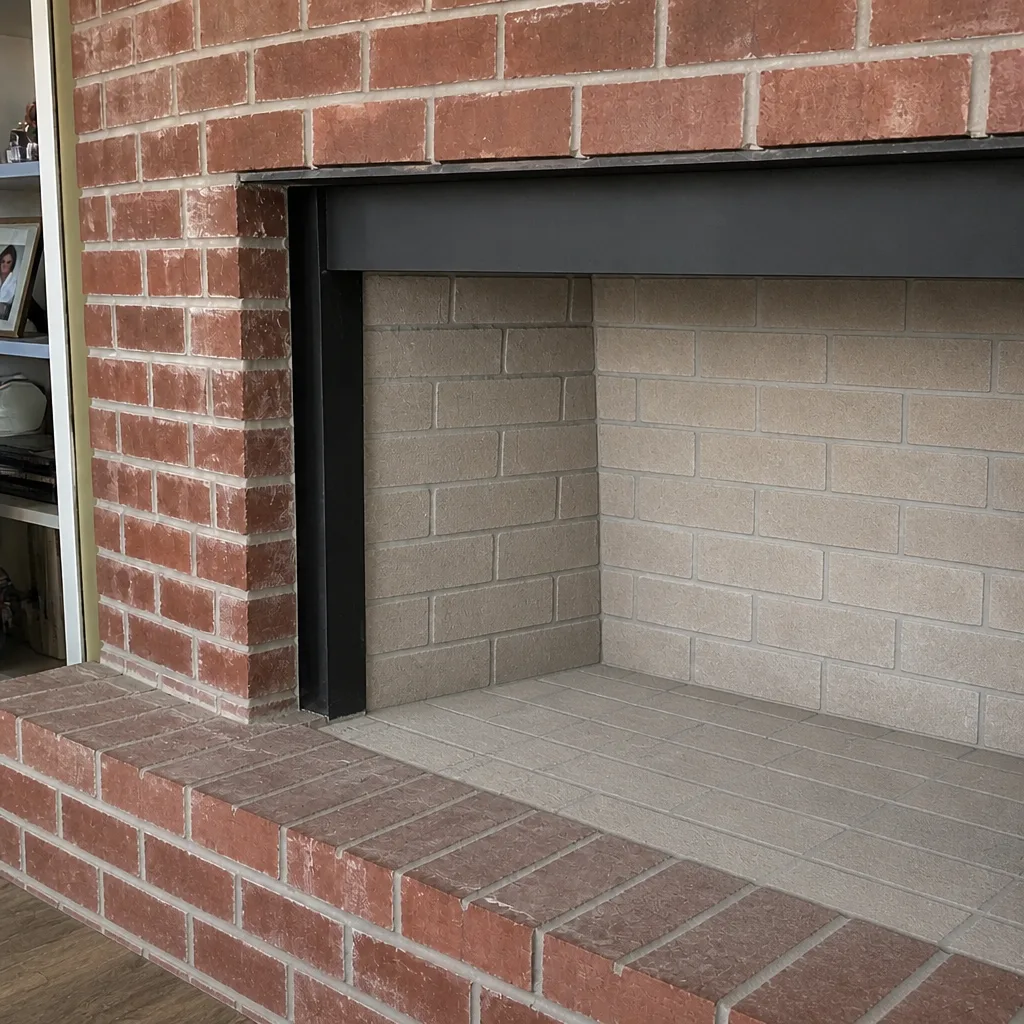
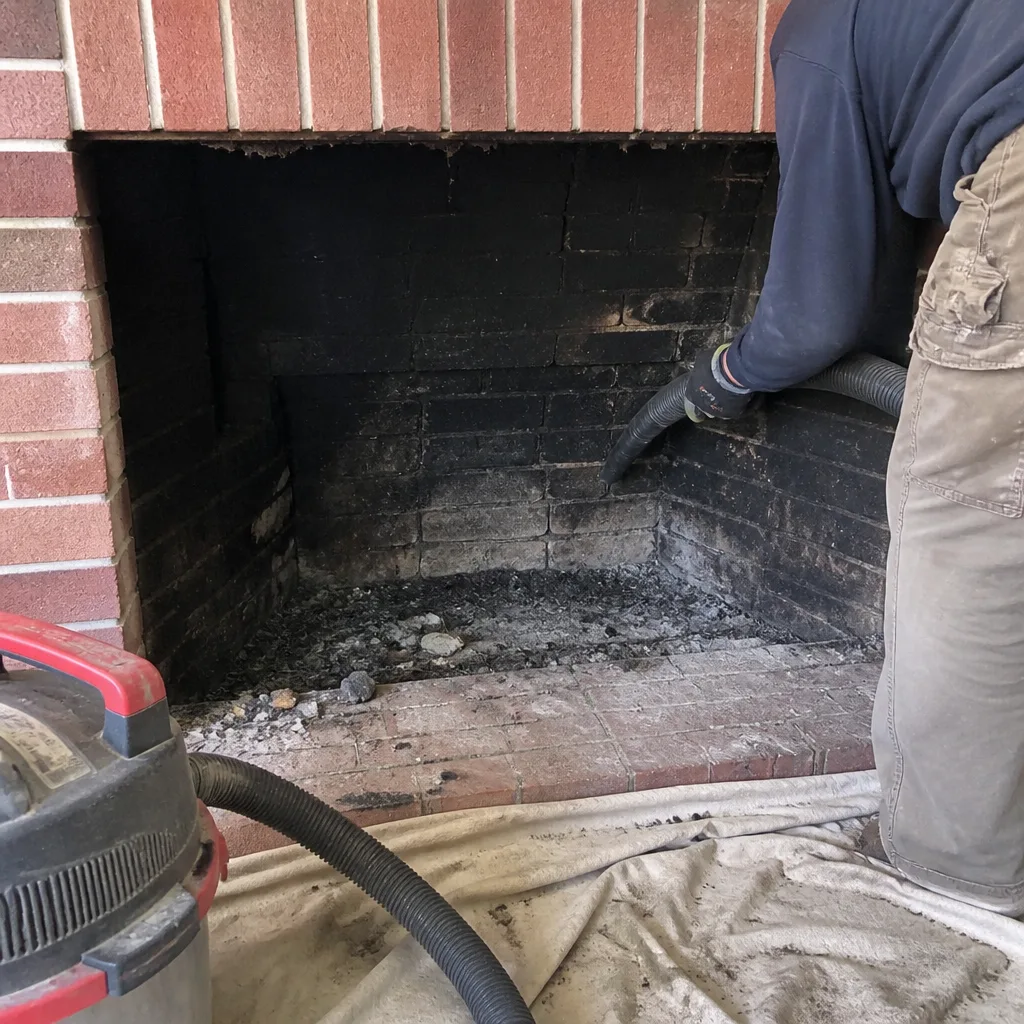
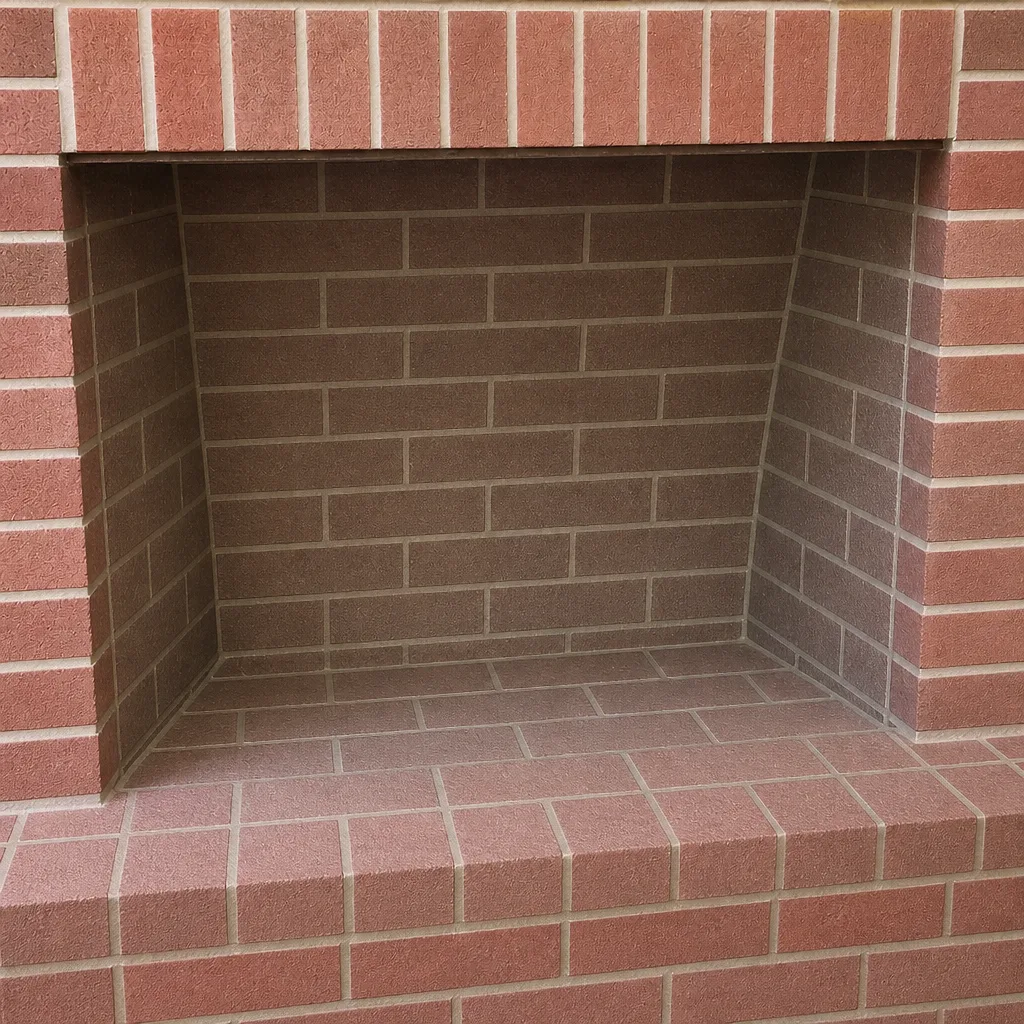
See the difference
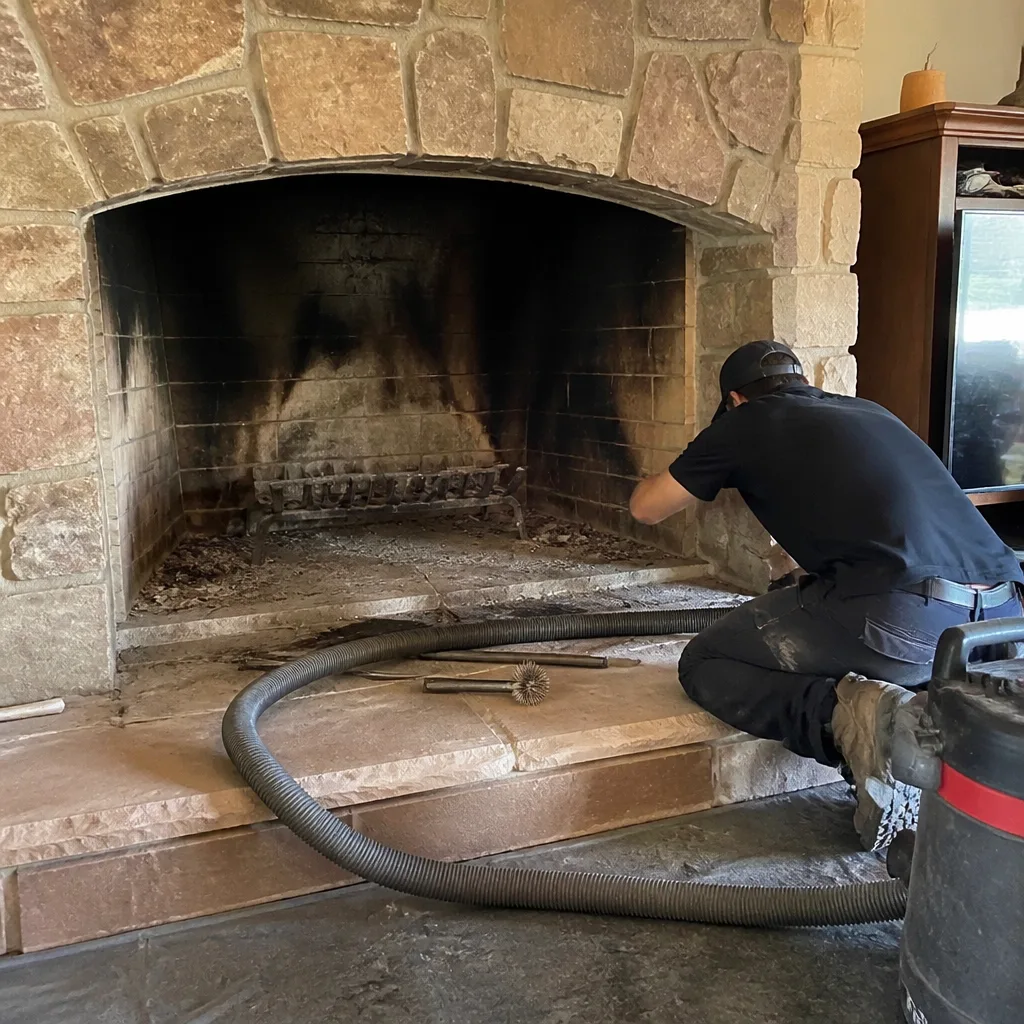 Before
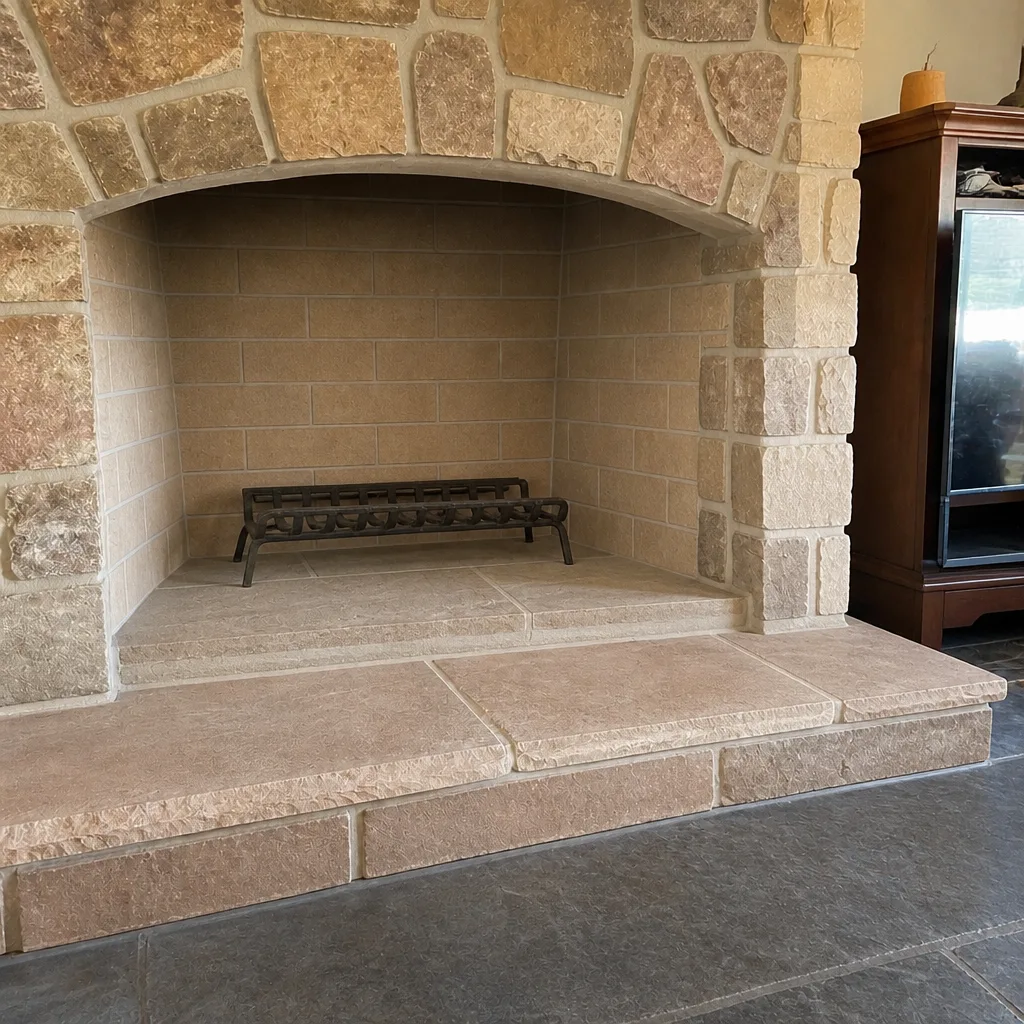 After
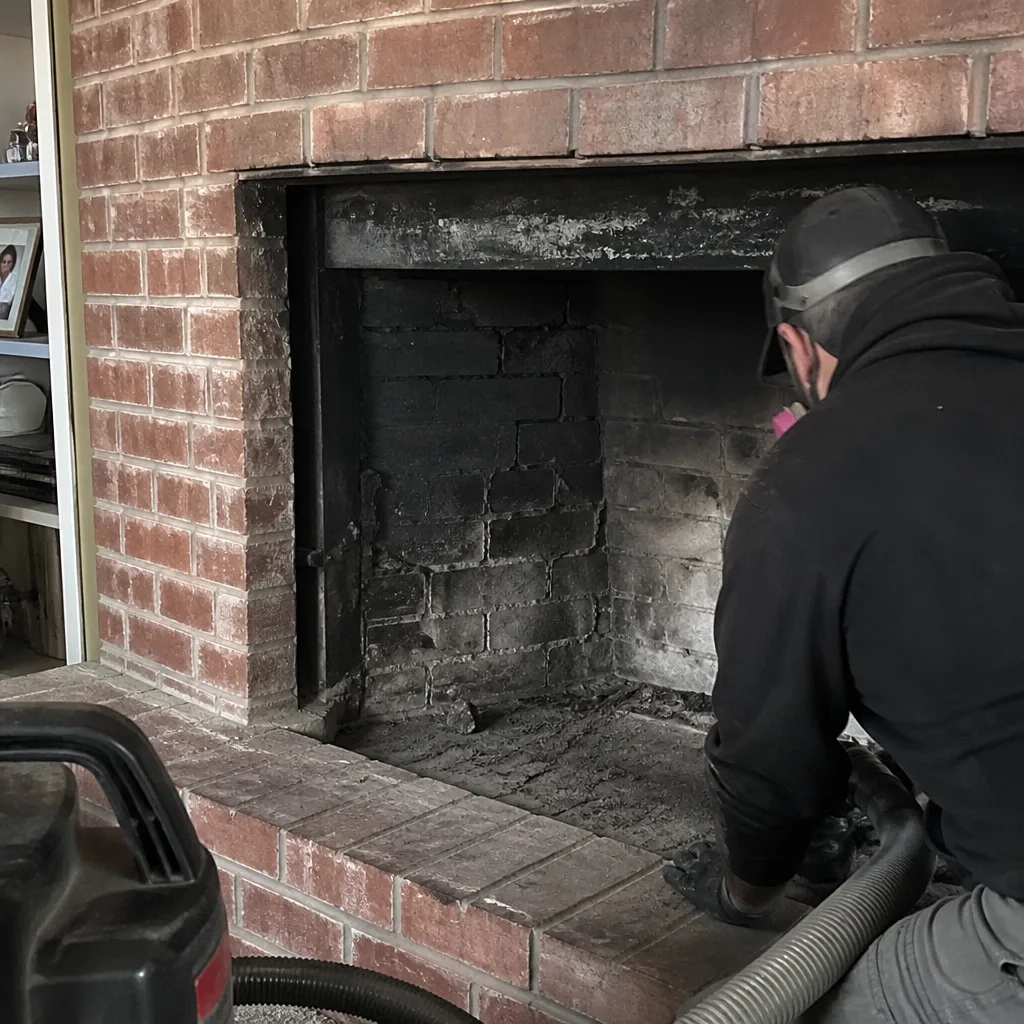 Before
 After
 Before
 After
When to Call a Professional
Some things are safe to check yourself and some aren’t. Call a professional if: you haven’t had a chimney inspection in more than a year; you just moved into a home and don’t know the burn history; you’ve changed from wood to gas or added an insert; you’ve had a chimney fire (even a small one that you extinguished yourself, since those leave hidden damage); you smell smoke in the room when the fireplace isn’t lit; you see water coming down the flue or efflorescence on the fireplace brick; or any component of the chimney looks out of place after a storm. Any odor of gas, any blocked flue, and any visible damage to the crown or cap warrants a call rather than a look-and-wait approach.
Chimney Sweep Central Park offers free estimates in Central Park. Call (855) 550-7509. We answer 24/7, with fast dispatch from 7am to 7pm, Sunday through Friday.
Frequently Asked Questions
A wood-burning chimney should be swept at least once a year, and a heavy burner (over two cords of wood a season) often benefits from a mid-season sweep as well. Gas and pellet systems still need an annual inspection even though they generate little creosote. The schedule should match your fuel type and burn volume, not a fixed calendar.
The best time is late summer or early fall, before the burn season starts. That gives you a documented picture of the system before the first fire and lets any repair be completed before the cold weather sets in. Central Park’s freeze-thaw cycle also makes spring a good secondary check, especially for masonry and crown work, because the winter damage is fully visible and the weather is warm enough to repair.
No. A Level 1 inspection is sufficient for a routine annual check on a stable system. A Level 2 with a video camera scan is needed when you buy a home, change fuel type or appliance, after a chimney fire or major storm, or when a Level 1 turned up something that needs a closer look. If you don’t know when the last Level 2 was done, book one to reset the baseline.
A sweep removes creosote, soot and debris from the flue. An inspection assesses the physical condition of the flue liner, firebox, damper, cap, crown, and flashing, and documents what it found. Both happen on the same visit in a standard annual appointment, but you should confirm the inspection is documented so you have a record. Ask us what we found; we document every inspection.
The daily freeze-thaw pattern in Central Park is hard on masonry, so crowns and exterior mortar joints need a spring check beyond the annual sweep. Cracks that form and freeze-widen through the winter are the most common cause of chimney repair we see here. The daily freeze-thaw plus the burn season makes both spring and fall relevant milestones, not just one.
Adjust your schedule: plan a mid-season sweep on top of the annual inspection, and if you haven’t had a Level 2 in more than a couple of years, book one to reset the baseline. High burn volume plus creosote accumulation is the condition that escalates quickly, and a mid-season visit catches it before the flue is glazed. Call (855) 550-7509 to book the second sweep.
The Bottom Line
A proper chimney maintenance schedule is a tiered plan, not a single yearly appointment. The flue gets swept and inspected annually. The firebox gets a two-minute look monthly during burn season. The cap, crown and flashing get checked every year with a full assessment every two years or after a storm. Gas and pellet systems follow a lighter cleaning rhythm but still need annual inspection. Central Park’s freeze-thaw cycle makes the spring masonry check as important as the fall sweep, because water intrusion is what turns a small crack into a rebuild.
A clean chimney is the starting point. A safe, structurally sound chimney is the goal. Our technicians have up to 15 years of experience handling every component from the firebox floor to the chimney cap, and we back the findings with professional-grade materials from DuraFlex, HeatShield, Gelco, Olympia Chimney and Copperfield. We handle sweeping, inspection, fireplace repair, and chimney cap & crown installation under one roof, so nothing gets handed off between companies.
Call (855) 550-7509 for a free estimate and to book your annual sweep and inspection. We answer 24/7, with fast dispatch from 7am to 7pm, Sunday through Friday. From the firebox floor to the chimney cap, we handle the whole system.
Written by the team at Chimney Sweep Central Park.