
Last updated November 24, 2026
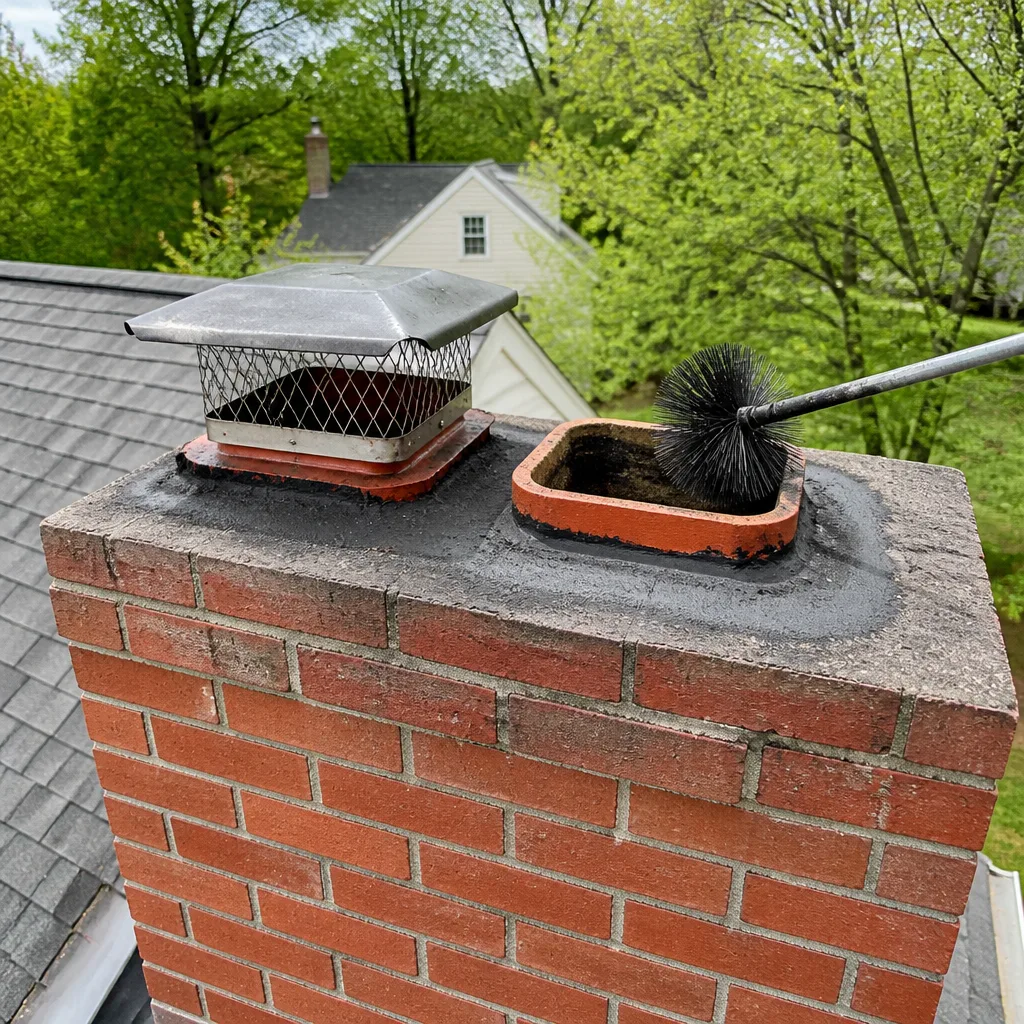 Sweep & inspection
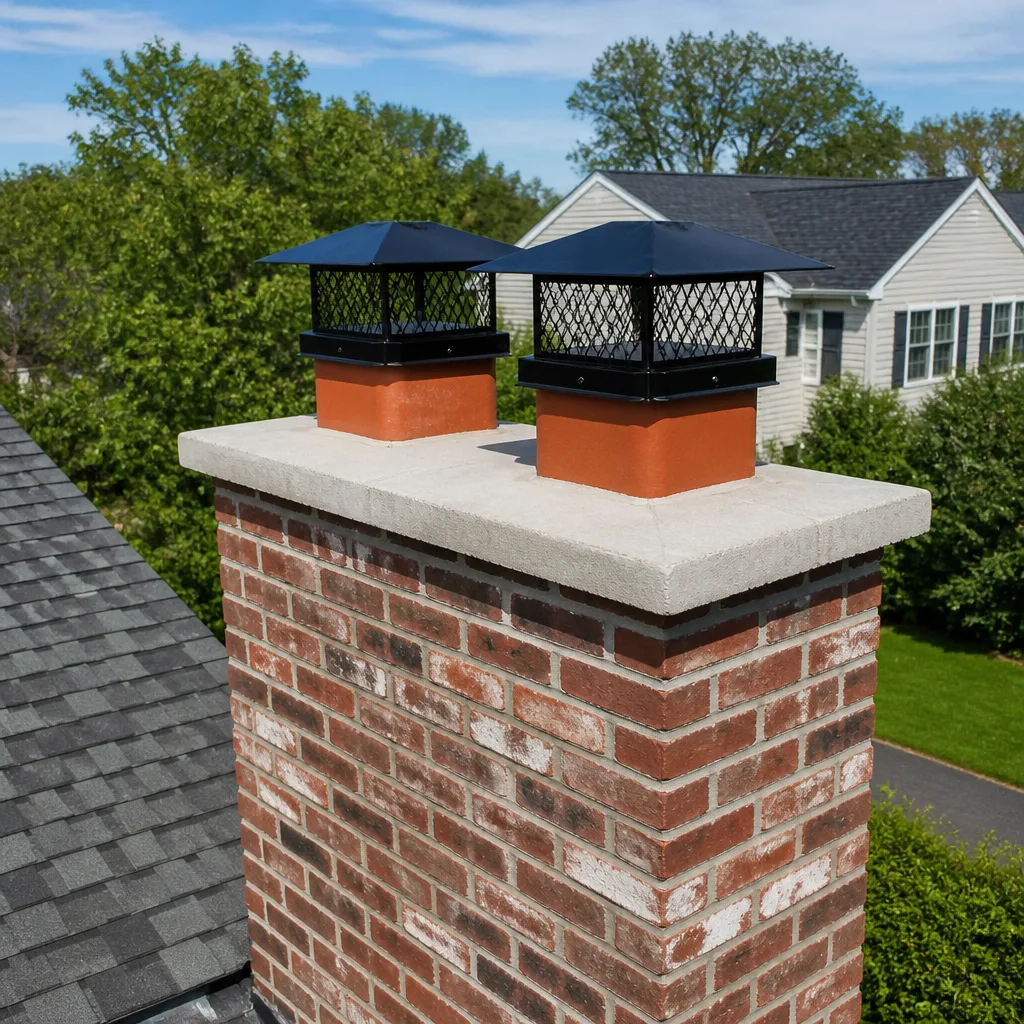 Caps & crowns
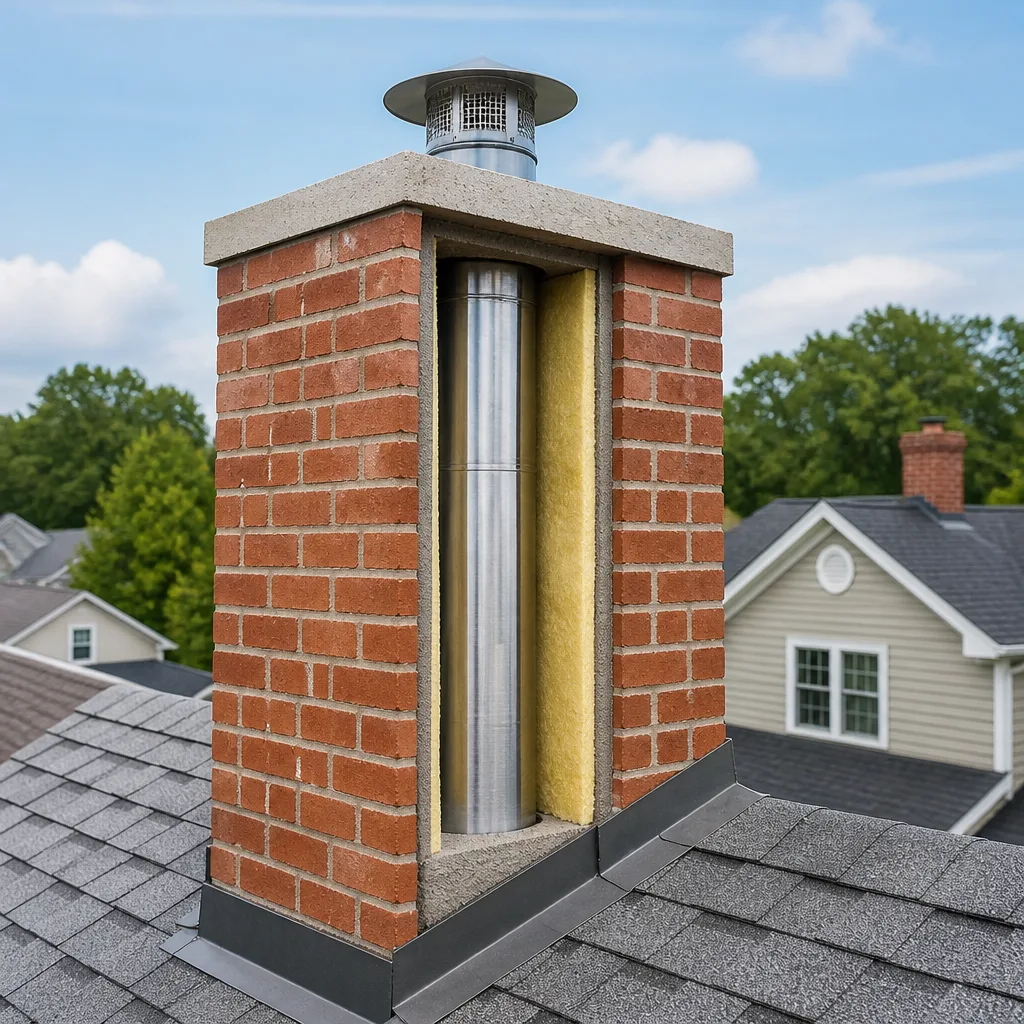 Flue relining
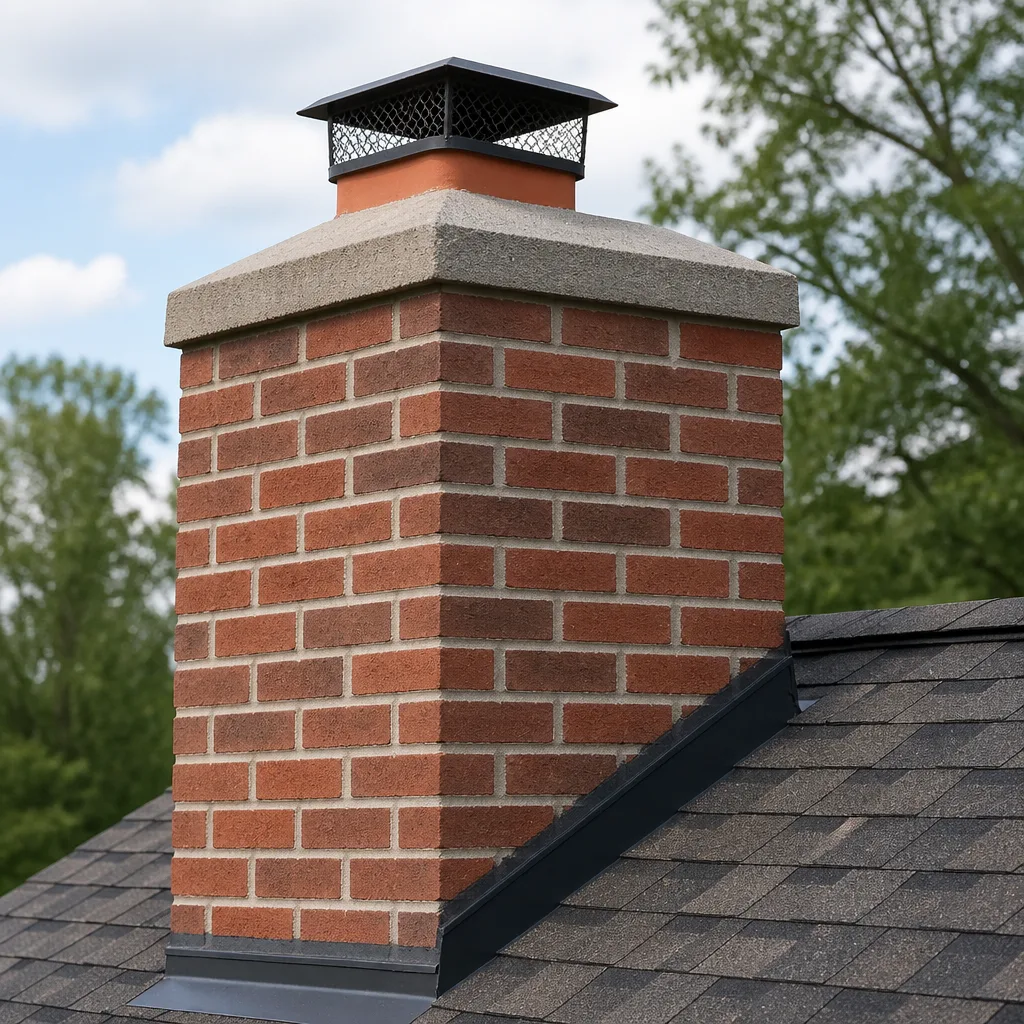 Masonry repair
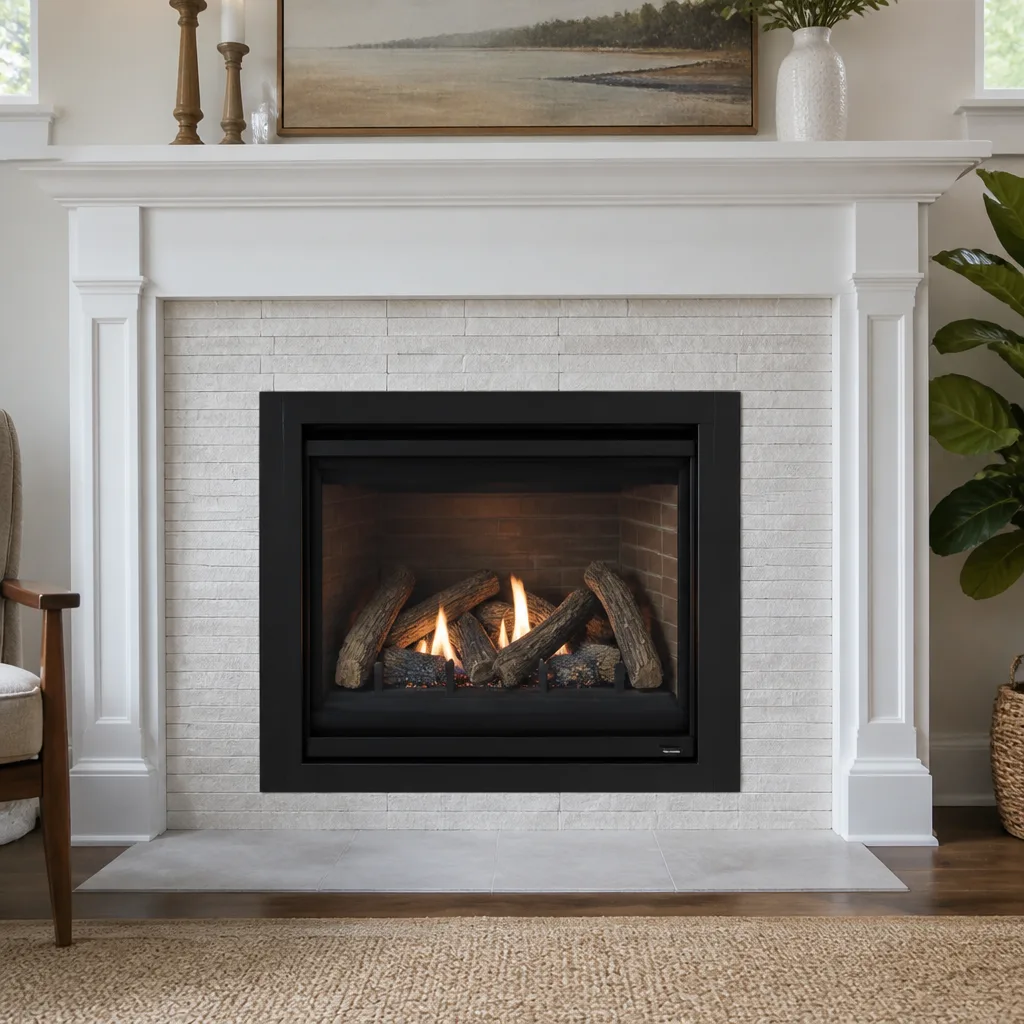 Gas fireplace service
Level 1 sweep and inspection to the NFPA 211 annual standard - flue, crown, cap, and flashing checked and photographed
Chimney sweep logs do not sweep chimneys. They loosen some creosote - which then falls where a brush and vacuum still have to collect it.
Chimney Sweep Troubleshooting in Central Park: Common Problems and How to Fix Them
A smoky living room doesn’t always mean a dirty flue. Sometimes it means your damper is warped, your cap is blocked, or your flue is simply undersized for the insert you installed last year. Homeowners in Central Park tend to assume every chimney problem starts and ends with “it needs a sweep,” and that assumption sends people down the wrong path: they book a cleaning when they need a repair, or they ignore a fixable draft issue until it becomes a masonry problem. This guide maps the symptoms you’re actually noticing to the root causes behind them, so you can stop guessing and get the right fix the first time.
Quick Answer
Most chimney problems in Central Park trace back to five root causes: blockages (creosote, debris, nests), draft failure from negative air pressure, moisture intrusion, damaged flue components, or a mismatched flue-to-appliance setup. The symptom you notice, whether it’s smoke rolling into the room, a musty smell, or weak draw, tells you which cause is most likely. A documented inspection confirms it before any work begins.
Styles & brands we work with
- Sweep & inspection
- Caps & crowns
- Flue relining
- Masonry repair
- Gas fireplace service
Table of Contents
- Draft Problems vs. Blockage: Same Symptom, Opposite Fixes
- How Central Park’s Elevation Changes Your Chimney’s Behavior
- What Your Chimney’s Smell Is Telling You
- A Homeowner-Safe Visual Inspection Checklist
- What You Can Fix Yourself vs. What Needs a Professional
- Creosote Stages and Why They Matter
- Moisture, Crowns, and Caps: The Water Path
- Common Mistakes to Avoid
Draft Problems vs. Blockage: Same Symptom, Opposite Fixes
Smoke backing into the room is the most misdiagnosed chimney symptom there is. A blocked flue and a negative-pressure house produce nearly identical results at the firebox, but the fixes are completely opposite. A blocked flue needs cleaning or debris removal. A negative-pressure problem needs more air, not less obstruction, and cleaning it won’t help at all.
Here’s how the two differ in practice:
- Blockage: Smoke backs up every time you burn, regardless of weather, and often gets worse as the fire grows. You may smell smoke even with no fire lit. A nest, a collapsed liner section, or heavy creosote at the flue top is a common cause.
- Negative pressure: Smoke backs up inconsistently. It happens on windy days, when the kitchen exhaust fan runs, when the furnace kicks on, or when the house is tightly sealed. The fire may burn fine one evening and smoke the next.
Central Park sits at high elevation, and tightly built modern homes here hold air pressure well. That combination makes negative pressure a frequent culprit. When a house is sealed tight, the chimney competes with every exhaust fan, dryer vent, and furnace for the air it needs to draw. Opening a window a crack near the fireplace and watching whether the smoke behavior changes is a quick homeowner test. If it improves immediately, you’re looking at a pressure problem, not a blockage.
We see this distinction missed constantly. A homeowner books a chimney sweep, the flue comes back clean, and the smoking continues because nobody checked the pressure side. Before you schedule anything, rule out the pressure variable. It’s free to test and it saves a wasted visit.
How Central Park’s Elevation Changes Your Chimney’s Behavior
Combustion needs oxygen, and at 5,000-plus feet of elevation, there’s less of it in every cubic foot of air. That thinner air changes how a chimney draws, and it changes how a fire burns. Wood appliances here need more air volume to achieve the same heat output they would at sea level, which means the chimney is working harder to pull a sufficient draft.
What this means for Central Park homeowners:
- Inserts and stove upgrades matter more here. A wood insert sized for a low-elevation home can be undersized for the same square footage up here. When draw is weak and the insert was installed recently, flue sizing is a real suspect.
- Draft is more sensitive to temperature swings. The temperature difference between the flue gas and outside air drives the draft. On mild days, the draw can be noticeably weaker, and that’s physics, not a defect.
- Faster creosote accumulation is possible. Cooler, smoldering fires produce more creosote than hot, clean burns. Thinner air can push a fire toward smoldering if the appliance doesn’t get enough combustion air, which makes annual inspection more important, not less.
We’ve walked into plenty of Central Park homes where the fire “just doesn’t burn right,” and the issue was never the wood or the flue condition. It was a system tuned for a house at a lower elevation. When we evaluate a chimney here, we’re reading it against high-altitude behavior, not a generic checklist. That’s a different diagnostic starting point than you’d get from a company that treats every chimney the same way.
If your appliance feels underpowered and your wood is dry, ask specifically about high-altitude sizing before assuming you need repair work. It’s one of the first questions we raise on a Central Park inspection.
What Your Chimney’s Smell Is Telling You
Chimney smells fall into distinct categories, and each points to a different cause. Learning to describe what you smell accurately is one of the most useful things you can do before an inspection, because it narrows the diagnosis fast.
- Musty or damp smell: This points to moisture intrusion. Water is getting into the flue, the masonry, or the crown area. A missing or damaged cap is a common entry point, and a cracked crown lets water wick into the structure. Left alone, moisture cycles with freeze-thaw temperatures and damages masonry from the inside.
- Acrid, sharp, smoky smell: This is usually active creosote. Creosote has a distinctly sour, tar-like odor, and a strong acrid smell when the fireplace is cold often means a meaningful creosote layer is present in the flue. This is the smell that warrants a prompt inspection.
- Petroleum or chemical smell: More often than not, this points to animal nesting. Birds, squirrels, and raccoons find chimneys attractive, and the droppings and nesting material produce an odor that reads as chemical or unpleasant. A blocked flue that smells like this needs to be cleared before you burn again.
Season matters here too. Homes in Central Park sit dry and unused through stretches of the year, and a cold chimney with a small moisture intrusion will smell musty when the furnace first runs in fall. That’s often when people call. The smell that appears after a dormant season is a moisture signal more often than a creosote one.
Describe the smell in plain words when you call us. “It smells like wet wood” and “it smells like tar” send us down two different diagnostic paths, and it saves time on the visit.
A Homeowner-Safe Visual Inspection Checklist
You can check a surprising amount yourself before you call anyone, and none of it requires climbing onto the roof or reaching into the firebox with a tool. This is a look-and-listen checklist, not a repair manual. Work through it with a flashlight and note what you find.
- Open the damper and look up. With a flashlight, look into the firebox and up the flue. You should see open flue wall or liner, not a mass of material. Anything blocking your view of daylight at the top is worth reporting.
- Check for visible creosote. Creosote appears as a crusty, flaky, or tar-like coating on the flue walls. A light dusting is normal between cleanings. Thick, glazed, or dripping creosote is not, and it should be professionally removed.
- Test the damper handle by hand. It should move smoothly and stay where you set it. If it sticks, won’t fully open, or feels loose, note it. A damper that won’t open fully is a very common cause of poor draw.
- Look at the firebox floor and walls. Cracks, missing mortar joints, or loose bricks at the firebox level are visible without tools. Report any of these before you burn again.
- Check the cap from the ground with binoculars. Look at the chimney top from outdoors. The cap should be intact and clear. Debris, a missing cap, or a visibly clogged screen is something you can spot from a safe distance.
- Look at the crown and exterior masonry. From the ground, check the concrete crown at the top of the chimney for visible cracks and the masonry for staining or spalling. You can’t repair these from the ground, but you can document them.
- Note smoke behavior on the first burn. Does smoke go up cleanly, roll out at the top of the firebox, or spill into the room? Note the weather and whether fans were running. This single observation is worth a lot to a technician.
Write down what you find and bring it to the call. We document every inspection we perform, and your notes help us confirm what we see. Just don’t take the next step into actual cleaning or repair yourself. Creosote removal, flue work, and roof-level inspection are jobs for trained technicians with the right equipment.
What You Can Fix Yourself vs. What Needs a Professional
Some chimney problems genuinely don’t need a service call. Knowing which ones saves you money and keeps you safe. Here’s the honest split.
Reasonable for a careful homeowner:
- Clearing light debris from the firebox floor before a burn.
- Adjusting or freeing a damper handle that’s sticking but not damaged.
- Removing a bird nest or leaf debris from the top of a cap screen, if you can safely reach it from the ground with a pole. Never climb onto a roof to do this.
- Opening a nearby window to test for negative pressure.
Needs a professional:
- Creosote removal beyond a light dusting, especially glazed creosote.
- Any flue liner damage, cracks, or gaps.
- Damper replacement when the assembly is warped or seized.
- Crown cracks, cap damage, and exterior masonry issues.
- Anything requiring roof access. Falls from height are one of the most common home-repair injuries, and no chimney task is worth that risk.
The rule we give Central Park homeowners: if it’s at firebox level, in plain sight, and reachable without a ladder, you can look and touch carefully. If it’s up the flue, on the roof, or requires tools, it’s a professional job. And a word of caution: never work inside a flue, never attempt to scrape or burn off creosote yourself, and never light a fire to “test” whether a blockage cleared. Those steps are how people get hurt or start chimney fires. If you’re unsure which category a problem falls into, that’s exactly the question to ask when you call.
Creosote Stages and Why They Matter
Creosote is the single biggest reason chimneys need regular attention, and it doesn’t arrive all at once. It forms in stages, and each stage changes what’s required to remove it. Understanding the stages explains why “I had it swept last year” doesn’t always mean the flue is clean now.
- Stage one: soot and light flake. A thin, dusty layer that brushes off easily with standard sweeping. This is what routine maintenance handles.
- Stage two: crusty, flaky creosote. Harder deposits that require more aggressive brushing. Still removable with professional equipment, but it signals your burning habits or draft are producing more buildup than they should.
- Stage three: glazed, tar-like creosote. A hardened, shiny coating that bonds to the flue wall. Standard brushing won’t fully remove it, and this stage is the one most associated with chimney fire risk. It requires specialized treatment.
Stage three creosote is where a sweep-only company runs out of options. This is the point where flue restoration work comes in, and it’s why we keep fireplace repair capability alongside cleaning. When glazed creosote has bonded to a flue wall, surface sweeping leaves a layer behind. Resurfacing with HeatShield, a ceramic restoration process used for flue rehabilitation, addresses the damaged or coated flue surface directly rather than pretending a brush solved it.
How fast creosote accumulates depends on how you burn. Cool, smoldering fires and unseasoned wood produce more buildup than hot burns with dry wood, and high elevation can push a fire toward smoldering if the appliance isn’t drawing well. That’s why annual inspection matters in Central Park specifically. It’s not about a fixed cleaning interval; it’s about checking what your actual burning has produced.
Moisture, Crowns, and Caps: The Water Path
Water does more structural damage to chimneys than fire does, and it almost always enters at the top. The crown and the cap are the first line of defense, and when either fails, moisture works its way down into the masonry, the flue, and eventually the firebox.
The two components do different jobs:
- The crown is the concrete surface at the top of the chimney that sheds water away from the masonry. Cracks in the crown let water soak into the brick and mortar below, where freeze-thaw cycles in Central Park’s climate widen the damage season after season.
- The cap sits over the flue opening and keeps rain, snow, and animals out while letting smoke escape. A missing or damaged cap is the most common entry point for water and nesting.
When we address chimney cap & crown work, we use purpose-built components from manufacturers who make chimney hardware specifically, like Gelco and Famco, rather than improvised general-hardware fixes. A properly fitted cap and a sealed crown keep water out and stop the musty smell cycle before it starts. This is also the cheapest point to intervene. Crown and cap repairs cost far less than rebuilding masonry that’s been soaking for several winters.
If you notice a musty smell, water staining on the exterior, or visible crown cracks, don’t wait for the next freeze. That’s a fast, contained repair now and a much bigger one later.
Common Mistakes to Avoid
- Assuming every problem is a dirty flue. In Central Park, weak draw is just as likely to be negative pressure or an undersized insert flue as a blockage. Get the diagnosis before booking the cleaning.
- Burning unseasoned or wet wood to save money. Wet wood burns cool and smolders, which accelerates creosote buildup. Dry, seasoned wood is the single easiest way to reduce creosote accumulation between cleanings.
- Skipping the annual inspection because the fireplace looks fine. The most serious problems, from glazed creosote to hairline flue cracks, are invisible from the firebox floor. A documented inspection catches them before they matter.
- Trying to clear a blockage or clean a flue yourself. Creosote removal, flue work, and roof access are professional jobs. Improvised DIY attempts are where injuries and chimney fires happen.
- Ignoring a musty smell until fall. Moisture intrusion in Central Park’s freeze-thaw climate gets worse every season it’s left. Address the smell when you notice it, not when the furnace first runs.
- Installing a wood insert without checking flue sizing. A flue that’s too small for a new insert produces chronic weak draw at this elevation. Size the flue to the appliance, not the other way around.
- Hiring a sweep-only company for a repair problem. When the issue is a damaged liner, a cracked crown, or glazed creosote, a cleaning crew hands you a referral and you start over. Choose one company that can diagnose and fix the whole system.
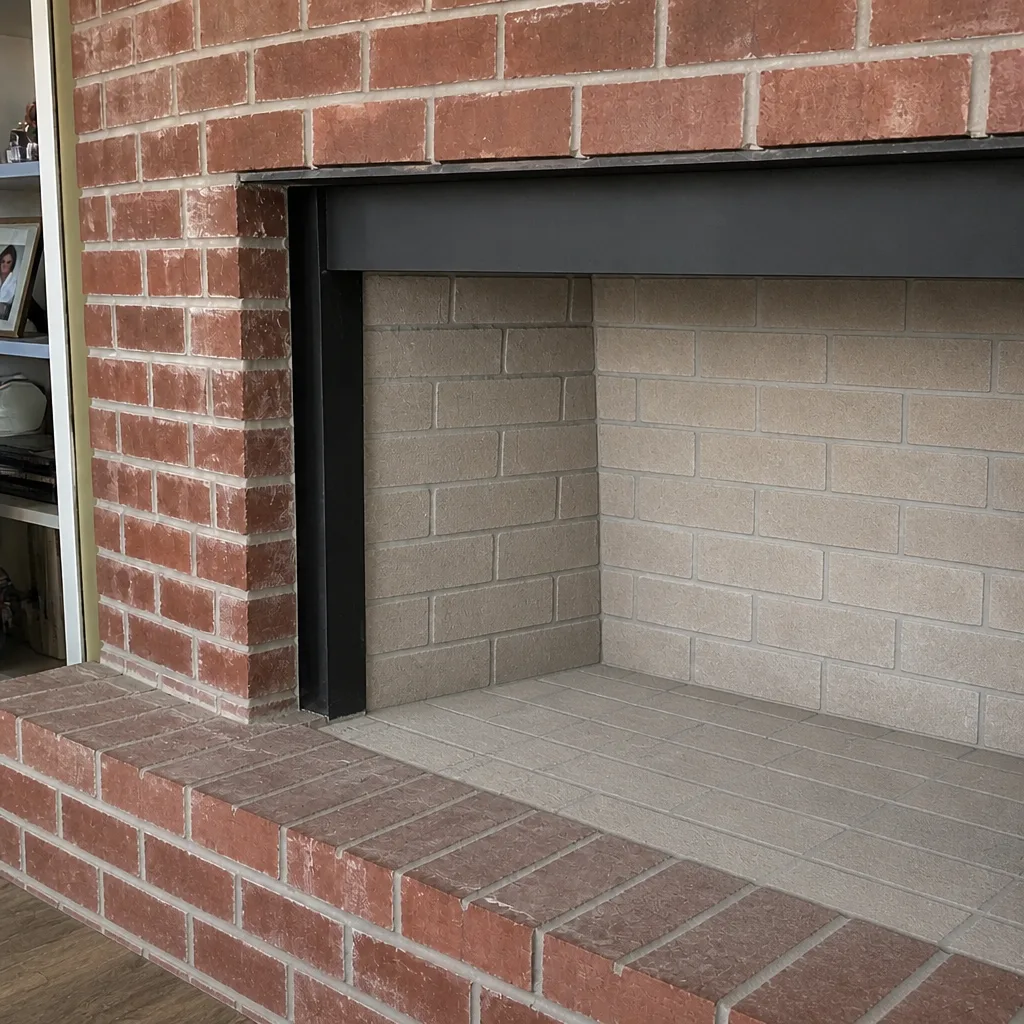
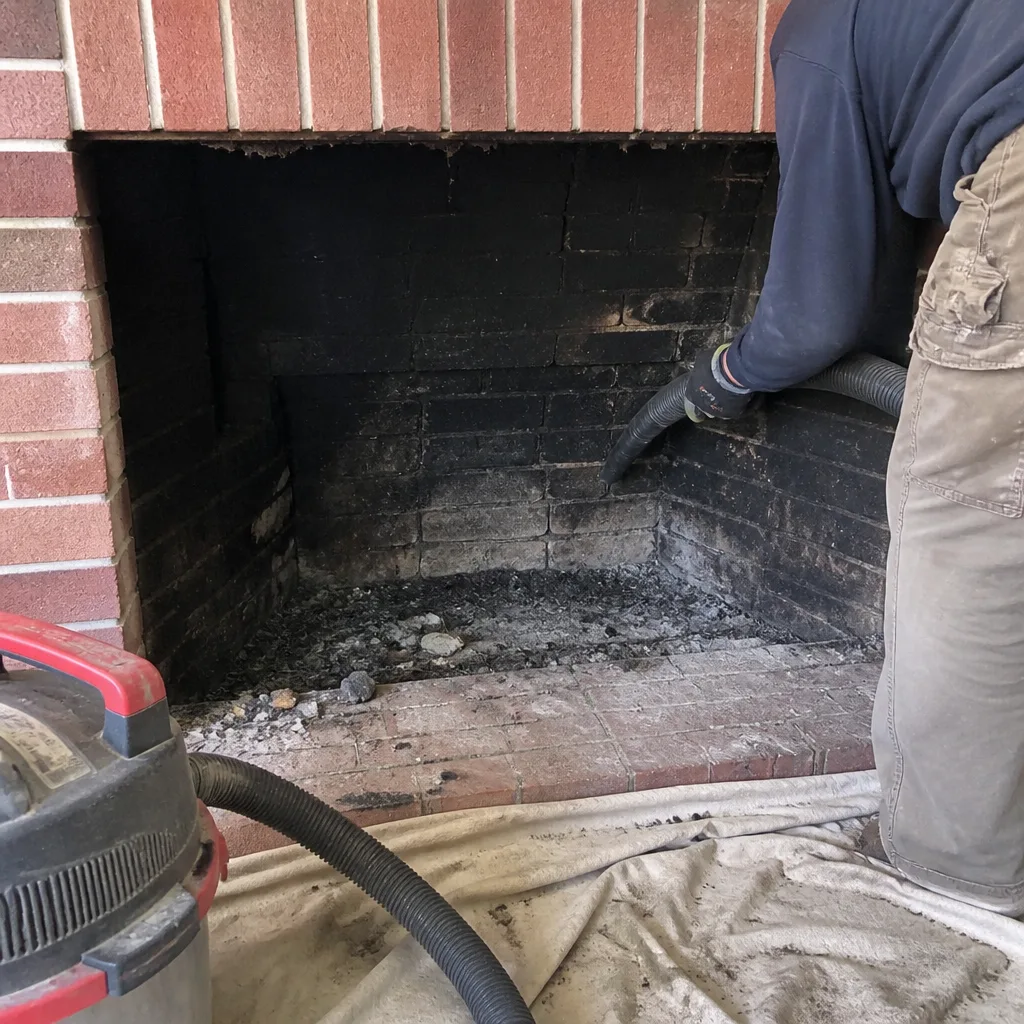
See the difference
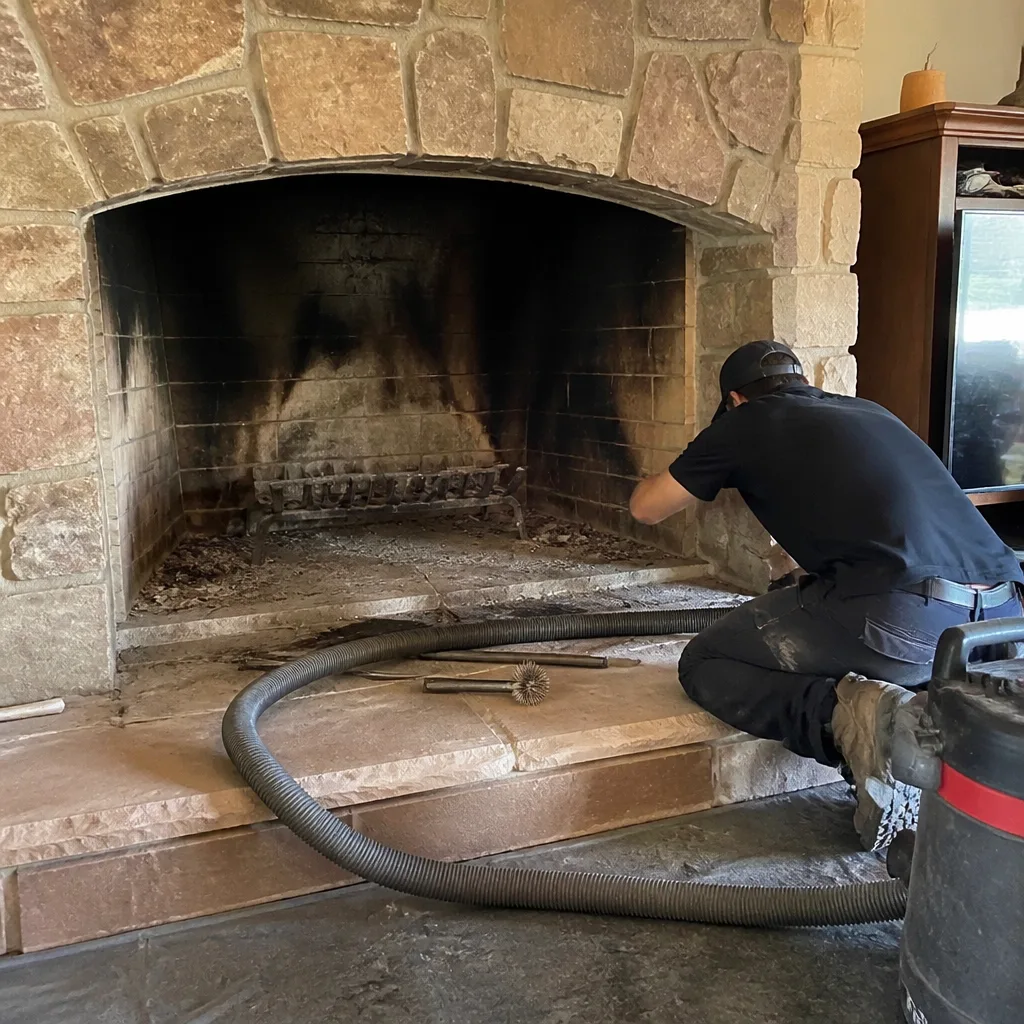 Before
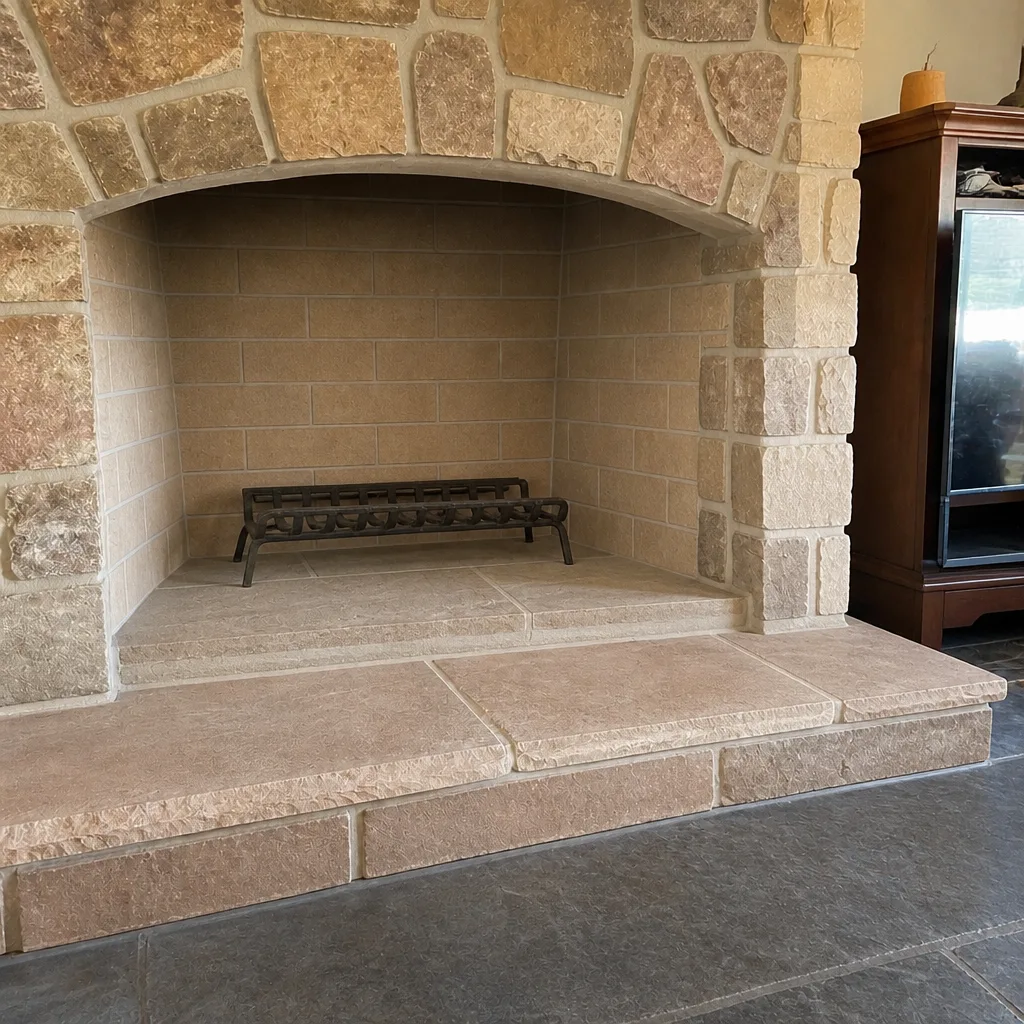 After
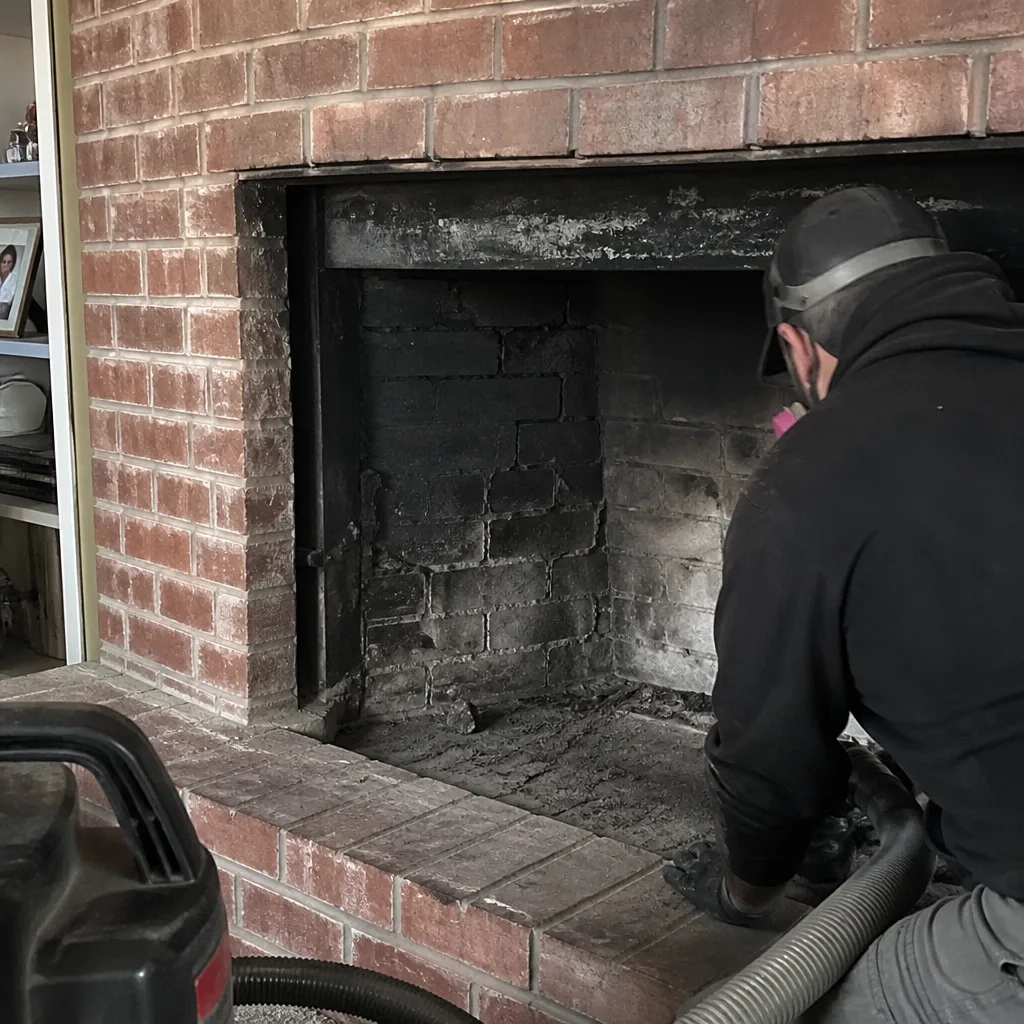 Before
 After
 Before
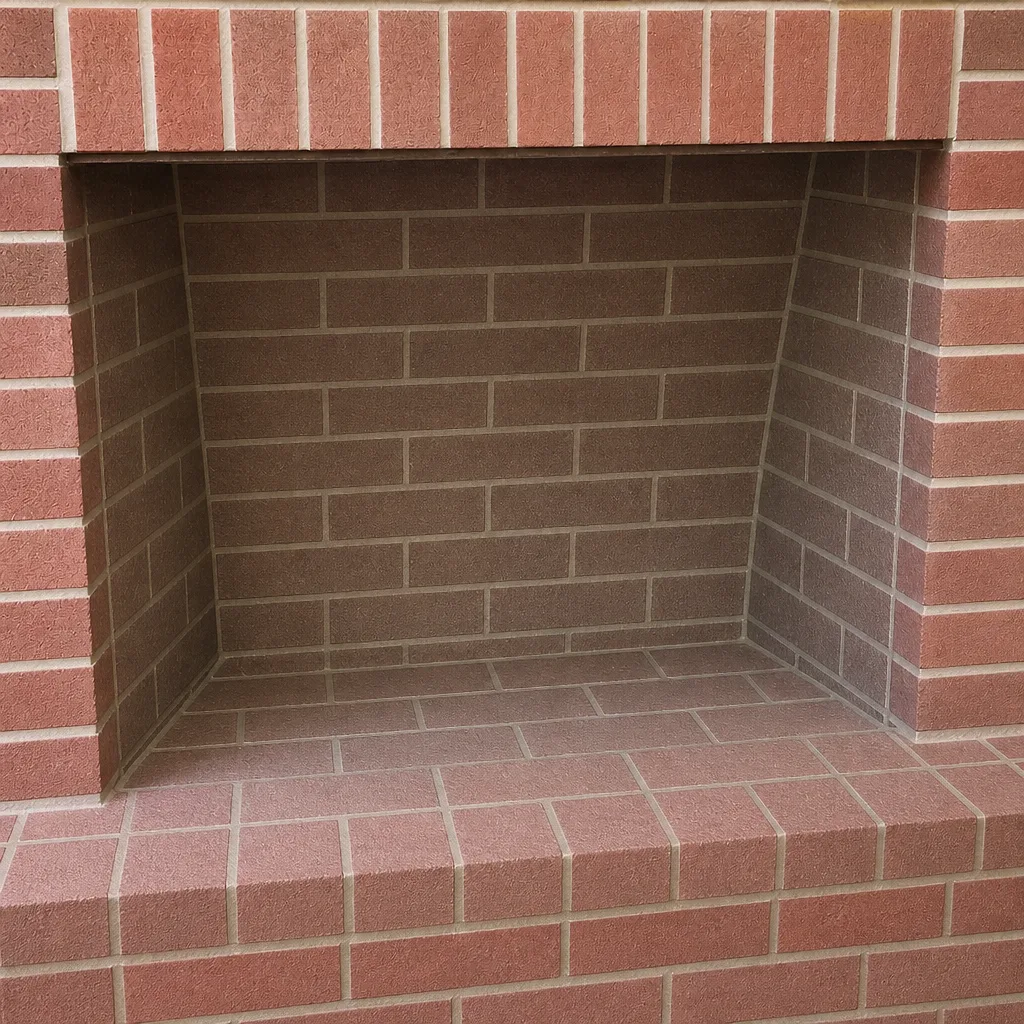 After
When to Call a Professional
Call a professional if any of these are true: you smell acrid or petroleum odors, you see glazed or dripping creosote, smoke backs into the room consistently, your damper won’t open fully, you have visible firebox cracks or loose bricks, or you notice crown cracks, water staining, or cap damage. Also call if it’s simply been a while and you’re not sure of the flue’s condition. A documented inspection answers that question directly.
Chimney Sweep Central Park offers free estimates in Central Park. We inspect it, explain it, and fix it right the first time, from the firebox floor to the chimney cap. Call (855) 550-7509 to book an inspection or a sweep. When you call, describe the symptom, not just the service you think you need, and we’ll point you to the right starting point.
Frequently Asked Questions
The symptom tells you. Consistent smoke backup, acrid smells, or visible creosote buildup points to a cleaning or creosote problem. Intermittent smoke on windy days, moisture smells, or visible crown and cap damage points to a repair. A documented inspection confirms which you’re dealing with before any work is scheduled. If you’re not sure, describe what you’re noticing and we’ll help you sort it out.
Intermittent smoking is the signature of negative air pressure, not a blockage. It happens when exhaust fans, the furnace, or a tightly sealed house pull air the chimney needs. Opening a nearby window slightly and watching whether the smoking improves is a quick test. If it does, you’re dealing with a pressure problem, and cleaning the flue won’t fix it.
A musty or damp smell points to moisture intrusion, usually through a failed cap, a cracked crown, or damaged masonry. In Central Park’s freeze-thaw climate, that moisture damages the structure further every season. It’s worth inspecting promptly rather than waiting for the next cold snap.
No, not safely. Light debris at the firebox floor you can clear, but flue cleaning, creosote removal, and anything at roof level require professional equipment and training. Falls from height and improper creosote handling are the real risks. Leave the flue and the roof to a trained technician.
Thinner air at high elevation means less oxygen per cubic foot, and a flue or appliance sized for a lower elevation can underperform here. If your insert was installed recently and draw is weak, flue sizing is a real suspect. An inspection evaluates the system against high-altitude behavior rather than a generic checklist.
Once a year is the standard we recommend, and it matters more at this elevation because cool, smoldering burns can build creosote faster. The inspection documents what your actual burning has produced, so you’re not guessing at a cleaning interval. If you burn frequently, or you’re not sure when it was last checked, book an inspection and we’ll tell you where you stand.
The Bottom Line
Most chimney problems you notice fall into one of five root causes, and the symptom you’re experiencing points to which one. Intermittent smoke is usually pressure, not dirt. Musty smells are moisture. Acrid smells are creosote. Petroleum smells are animals. Weak draw in Central Park is often elevation and flue sizing, not a dirty flue. Once you know which cause you’re dealing with, the fix becomes obvious, and sometimes the honest answer is that nothing urgent needs doing. The point of troubleshooting is to stop guessing. We inspect it, explain it, and document it, so you can make a real decision instead of a worried one. A clean chimney is the starting point. A safe, structurally sound chimney is the goal.
Call (855) 550-7509 for a free estimate. We answer 24/7. Fast dispatch from 7am to 7pm, Sunday through Friday.
Written by the team at Chimney Sweep Central Park.